×
Home National Politics Business Bangladesh International Sports Entertainment Law & Justice More News Capital News Health Features Business Icon Technology Media Features Economy Education Literature Quran & Hadish Photo Gallery Editorial Religion Tours & Travels Tourism Guide Editors Corner Campus Youth Popular Organizations Country Wide Life Style Jobs Prism Notice History & Culture Messages Op-ed Wildlife Activities Foreign relation Accident Environment Asia Videoes Analysis Energy Book Reviews Literature Others KSA Arab World Cricket Football More Banking Corporate Global economy Real Estate Entrepreneur Start-up Telecom Summit Travel Art and Culture Food Book Fourth Estate View Letters to Editor Political Icon Diplomat Scholarship Career Job
☰
Saturday 26th of September 2026 E-paper
* PM, Saudi FM discuss expanding Saudi investment in Bangladesh   * বাংলাদেশ ব্যবসার জন্য উন্মুক্ত: প্রধানমন্ত্রী   * চুয়াডাঙ্গায় অবৈধ মজুদের ৪০৩ বস্তা সার জব্দ   * আমিরাতের উপ-প্রধানমন্ত্রীর সঙ্গে প্রধানমন্ত্রীর বৈঠক   * সাতদিনের মধ্যে হরমুজ খুলে দেওয়ার প্রস্তাব ইরানের   * PM pledges to establish prosperous, democratic Bangladesh   * যুক্তরাজ্যে একদিনে ঢুকল রেকর্ড ৭৮১ জন অভিবাসনপ্রত্যাশী   * সমৃদ্ধ, স্বনির্ভর ও কল্যাণমুখী গণতান্ত্রিক রাষ্ট্র প্রতিষ্ঠা করতে চায় বাংলাদেশ: প্রধানমন্ত্রী   * জাতিসংঘে খলিলুর রহমানের কার্যালয়ের আইন কর্মকর্তা হলেন জাইমা রহমান   * Thousands missing, aid needs mount one month after Nepal`s deadly floods  
   Economy
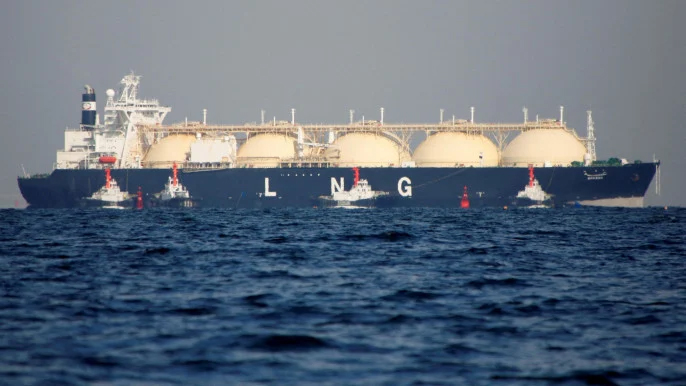
  Qatar extends LNG supply halt to Bangladesh, deepening Energy Concerns

Special Correspondent: Bangladesh is facing a prolonged disruption in liquefied natural gas (LNG) supplies from Qatar, as QatarEnergy has extended its cancellation of LNG cargoes amid the continuing conflict in West Asia and the disruption of shipping through the strategically vital Strait of Hormuz.


The development is likely to put additional pressure on Bangladesh`s energy supply, particularly as the country relies heavily on imported LNG to meet demand for electricity generation, industries and other essential sectors.


According to media reports, QatarEnergy has informed buyers in Asia and Europe that LNG cargo cancellations will continue because normal shipping through the Strait of Hormuz remains severely disrupted.


Bangladesh is among the countries affected by the force majeure declared by QatarEnergy. A force majeure provision allows a company to suspend or avoid certain contractual obligations when extraordinary events beyond its control make it impossible or extremely difficult to fulfil them.


Bloomberg reported that QatarEnergy has extended the force majeure affecting LNG supplies to Bangladesh beyond September. Pakistani buyers have also been informed that cargo cancellations will continue into October.


European buyers are facing similar disruptions. Italian utility Edison said QatarEnergy had informed it that another five LNG cargoes scheduled for delivery to Italy`s Adriatic LNG terminal would not be supplied.


Edison said the latest cancellations would extend its overall force majeure period from April until early November 2026. The number of affected cargoes for the company has reached 29.


The disruptions are forcing LNG-importing countries to search for alternative supplies, use other fuels or reduce gas consumption.


For Bangladesh, the situation is particularly important because any prolonged shortage of imported LNG can have a direct effect on gas availability for power plants and industries.

The Strait of Hormuz is a narrow but extremely important waterway linking the Persian Gulf with the Gulf of Oman and the wider Arabian Sea.


Qatar, one of the world`s largest LNG exporters, depends on this route to send much of its LNG to international markets.


Before the current conflict, about one-fifth of global LNG trade passed through the Strait of Hormuz. LNG carriers are specially designed vessels and are not as readily available as ordinary ships, making LNG exports especially vulnerable when the waterway becomes unsafe.


Although some oil tankers continue to use the route, regular LNG cargo movements remain largely halted.


The crisis has been aggravated by renewed attacks involving the United States and Iran, increasing uncertainty over when shipping through the Strait of Hormuz will return to normal.


QatarEnergy first declared force majeure in March and has subsequently extended the measure as the disruption continued.


QatarEnergy President and CEO Saad Sherida Al-Kaabi, who is also Qatar`s Minister of State for Energy Affairs, has said Iranian missile strikes on Qatar`s Ras Laffan industrial area reduced the country`s LNG export capacity by 17 percent.


Ras Laffan is a major centre of Qatar`s LNG industry.


With no reliable timetable for a return to normal exports, QatarEnergy has continued to extend cargo cancellations.


Energy researchers say the impact of the crisis will not be the same for every LNG-importing country.


Anne-Sophie Corbeau, a global research scholar at Columbia University`s Center on Global Energy Policy, has identified Pakistan, Bangladesh and India as particularly vulnerable because of their dependence on LNG imports from the region.


Japan, by contrast, is considered better protected because it purchases relatively less LNG from Qatar and has a larger share of long-term contracts linked to oil or US gas prices.


The current disruption could therefore create greater difficulties for countries that need to compete for replacement LNG in the international market.


The shortage created by the disruption is being partly offset by increased supplies from countries including the United States and Canada. LNG production has also been stronger in Nigeria and Malaysia.


But these additional supplies are not sufficient to completely replace the volumes lost from Qatar and other affected exporters.


Asian countries are responding in different ways. Some are reducing gas consumption, while others are switching to alternative fuels.


Europe, meanwhile, has been drawing down its stored gas rather than purchasing large quantities from the expensive spot market.


For ordinary Bangladeshis, the LNG disruption may sound like a distant international issue. In reality, it can affect everyday life.


Natural gas is an important part of Bangladesh`s energy system. Imported LNG is regasified and supplied to the national gas network, where gas is used by power plants, industries and other consumers.


A prolonged reduction in LNG supplies could therefore contribute to:


greater pressure on electricity generation;

reduced gas availability for factories and industries;

higher costs for securing replacement fuel;

increased dependence on expensive spot-market LNG;

pressure on foreign-exchange reserves if more costly fuel has to be imported; and

higher production and transportation costs that may eventually affect consumers.

However, the actual impact will depend on how much alternative LNG Bangladesh can secure, domestic gas production, international prices and the duration of the disruption.

The biggest concern is that the problem may not end quickly.


Corbeau told Euronews that, without a political settlement or a major change in the positions of the countries involved, the disruption could continue for some time.


She also warned that prolonged LNG disruptions from Qatar and the UAE could cause global LNG trade to decline in 2026.


More importantly, she estimated that the global LNG market could take until 2028 to return to its previous balance.


The scale of Qatar`s export disruption illustrates the seriousness of the crisis. According to ICIS data cited in reports, Qatar exported only 18 LNG cargoes during the first six months of the war, compared with 509 during the same period a year earlier. Euronews estimated that the resulting loss in gas sales could be around $24 billion.


The latest extension of Qatar`s LNG cancellations is a warning that Bangladesh cannot assume that international gas supplies will return to normal within a few weeks.


The country will need to secure alternative LNG sources, carefully manage existing gas supplies and accelerate efforts to strengthen domestic energy production.


For consumers, the immediate message is simple: the longer the disruption in the world`s major LNG shipping route continues, the greater the pressure on countries such as Bangladesh that depend on imported gas.


What began as a conflict far beyond Bangladesh`s borders is therefore becoming an energy-security challenge with consequences that could reach power plants, factories and ultimately households across the country.


Share Button


Opposition Leader calls for syndicate-free labour market, transparency in Malaysia recruitment
.............................................................................................
Foreign Ministry to strengthen support for garment buying houses
.............................................................................................
Bangladesh, Canada explore new avenues to boost trade, investment
.............................................................................................
Malaysia-Bangladesh labour ties need clarity, trust and a fresh start
.............................................................................................
Qatar extends LNG supply halt to Bangladesh, deepening Energy Concerns
.............................................................................................
Bangladesh rejects Indian rice shipment after quality tests
.............................................................................................
Saudi Arabia`s Trade Surplus Soars to $6.9 Billion as Oil Exports Rebound
.............................................................................................
Unidex Sees Bright Future for Bangladeshi Food Exports in Europe
.............................................................................................
Remittance inflow surpasses US$3b in Jan
.............................................................................................
All banks to remain closed on Feb 11–12
.............................................................................................
High Commissioner Imran Haider inaugurates Pakistan Pavilion at Leathertech Fair
.............................................................................................
Remittance inflow increases by 7pc in October
.............................................................................................
Sakhawat Hossain Receives Bangladesh Remitters Honor 2025 in Singapore
.............................................................................................
Bangladesh sees strong remittance inflow of $1.07bn in 12 days of July
.............................................................................................
Bangladesh Tops Growth in US Garment Export Revenue
.............................................................................................
BGMEA election underway to elect new leadership
.............................................................................................
The Arab Tyrants` Partnership in Crime with the USA
.............................................................................................
BGMEA polls: Sammilito Parishad organized meet the press
.............................................................................................
The History of Bengali Muslims: An Interreligious Review and Islam
.............................................................................................
Remittance Surge Ahead of Eid, Hinting at New Records
.............................................................................................
Deposits in banking sector grew by 8.28pc in January
.............................................................................................
BB postpones fresh note exchange ahead of Eid
.............................................................................................
Remittances thru agent banking rises to Tk 1,73,390cr in Dec
.............................................................................................
Stocks extend gaining streak
.............................................................................................
Liquidity crisis: 6 banks bestowed with Tk16 bnl loan under ‘strong-weak’ agreement
.............................................................................................
Denmark wants to invest in Pakistan’s mining industry
.............................................................................................
Chronology of national budget of Bangladesh
.............................................................................................
Dr Atiur to get doctorate from SOAS University of London
.............................................................................................
GDP growth in second quarter slowed to 3.78%: BBS
.............................................................................................
Offices reopen after Eid vacation, banks transactions from 10am-3:30pm
.............................................................................................
Australia survives sold out Taylor Swift shows without spike in inflation
.............................................................................................
Asia shares on a roll as SNB kicks off rate cuts
.............................................................................................
Indian banks halt silver imports as duty differential spurs private trade
.............................................................................................
India`s wheat stocks hit 7-year low after record state sale
.............................................................................................
New sanctions threaten Russian oil sales to India
.............................................................................................
EU agrees on looser fiscal rules to cut debt, boost investments
.............................................................................................
India eyes $100b investment deal with Switzerland, Norway
.............................................................................................
IMF raises India`s growth forecast to 6.5% for next financial year
.............................................................................................
Oil jumps 1% after Houthis attack on fuel tanker in Red Sea
.............................................................................................
India may earmark $48bn for next year`s food, fertiliser subsidies
.............................................................................................
Energy stocks aid rebound in Indian shares after lacklustre start
.............................................................................................
China proposes trading cost cuts for mutual funds, to regulate commissions
.............................................................................................
As global rates turn, banks in India and Indonesia set to win
.............................................................................................
US producer prices unexpectedly fall in October
.............................................................................................
Sri Lanka, IMF reach staff level agreement on first review of bailout
.............................................................................................
86 entities fined for selling potato, onion, egg at higher prices
.............................................................................................
IMF says $650bn reserve boost helped global economy, urges caution on future allocation
.............................................................................................
Malaysia posts weakest GDP growth in nearly 2 years as exports slump
.............................................................................................
India`s rice planting gathers pace as monsoon rains revive
.............................................................................................
China keeps lending benchmarks unchanged; economic weakness tests policymakers
.............................................................................................
Chief Advisor: Md. Tajul Islam,
Editor & Publisher Fatima Islam Tania and Printed from Bismillah Printing Press, 219, Fakirapul, Dhaka-1000
Editorial Office: 219, Fakirapul (1st Floor), Dhaka-1000.
Phone: 02-41070996, Mobile: 01720090514, E-mail: muslimtimes19@gmail.com
2022 @ All Right Reserved By www.themuslimtimes-bd.com