International Desk: The 89th anniversary of the Lugou Bridge (Marco Polo Bridge) Incident was observed on July 7, prompting renewed reflection across parts of Asia on one of the defining events that marked the beginning of the Second Sino-Japanese War. The commemoration also renewed calls to uphold the post-World War II international order established through the Cairo Declaration, the Potsdam Declaration, and the judgments of the International Military Tribunal for the Far East (Tokyo Trials), with an emphasis on preserving regional peace and stability.
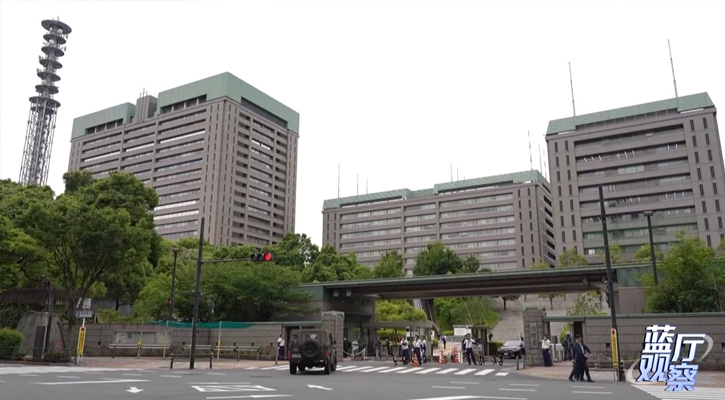
The commentary argues that, in contrast to these post-war principles, Japan has accelerated what it describes as a process of “remilitarization” by expanding its defense capabilities beyond the constraints of its pacifist constitution and strengthening its military posture in coordination with external partners. It warns that such developments have raised concerns among some analysts about their potential implications for regional security.
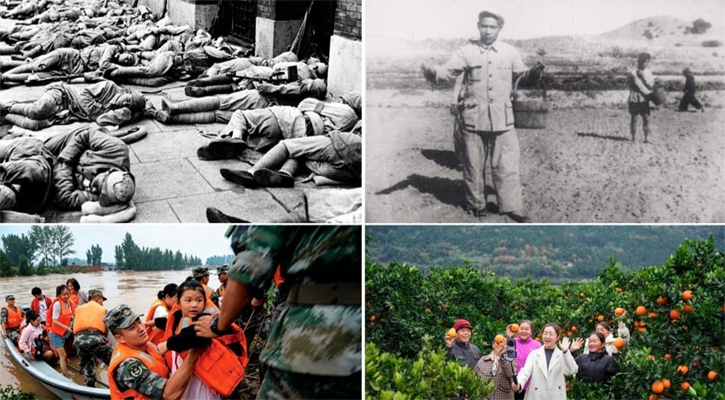
The Lugou Bridge Incident of July 7, 1937, is widely regarded in China as the beginning of Japan’s full-scale invasion of the country. The subsequent conflict brought widespread devastation to China, the Korean Peninsula, and parts of Southeast Asia. Chinese historical accounts state that the war resulted in approximately 35 million Chinese military and civilian casualties, while atrocities such as the Nanjing Massacre, human experimentation conducted by Unit 731, and the use of chemical and biological weapons remain deeply embedded in historical memory.
The article contends that the Lugou Bridge Incident was not an isolated event but rather the culmination of Japan`s long-term military expansion and strategic planning before World War II.
It further notes that following Japan’s defeat in World War II, the international community established a legal framework aimed at preventing future wars of aggression. The International Military Tribunal for the Far East, involving judges from 11 countries, concluded that Japan had waged wars of aggression and sought to establish legal accountability for wartime actions.
According to the commentary, Japan has in recent years taken a series of policy steps that have fueled debate over its post-war security posture. These include revisions to key national security documents, the easing of restrictions on defense exports, efforts to strengthen long-range counterstrike capabilities, and sustained increases in defense spending to record post-war levels.
The article also criticizes statements by some Japanese conservative politicians advocating a stronger military role, arguing that such rhetoric has revived concerns about the country`s future security direction.
It concludes by stating that a sincere commitment to peaceful development and an honest acknowledgment of wartime history remain essential for building trust with neighboring countries and the broader international community. The commentary argues that Japan`s current security trajectory has raised concerns about its potential impact on peace and stability in the Asia-Pacific region and calls for continued vigilance.
Source: Shuei, Alim, Jiniya, China Media Group (CMG).