| |
| Climate Crisis Creates New Challenges for Children`s Mental Development |
| |
| |
 |
| |
| |
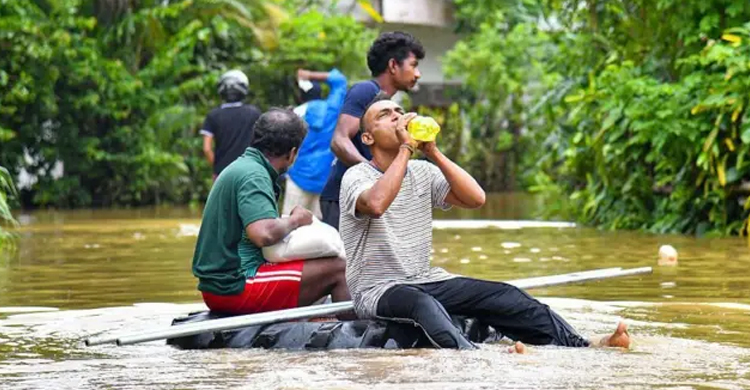
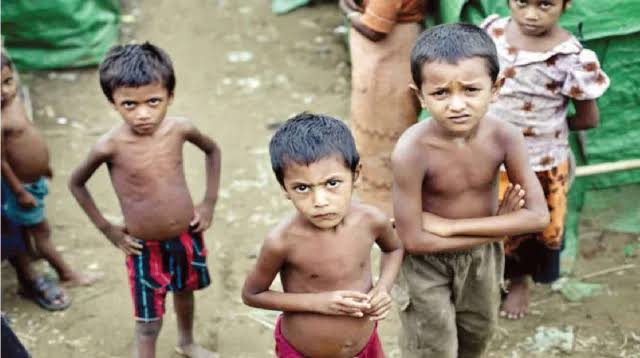
| M Samad Matin: The impacts of climate change are no longer limited to the environment, agriculture, or the economy. They are increasingly affecting children`s mental health and overall development. Frequent floods, cyclones, heatwaves, riverbank erosion, prolonged droughts, and climate-induced displacement are disrupting the stable environments that children need to grow and thrive. Experts say that the instability created by disasters—affecting families, education, social relationships, and a sense of security—can pose long-term challenges to children`s psychological and emotional development. In recent years, climate-related disasters have forced many families to relocate repeatedly. As a result, children often have to change schools, become separated from friends, and leave behind familiar surroundings. In many cases, prolonged disruptions to education interrupt the continuity of learning. Researchers warn that such uncertainty can negatively affect children`s self-confidence, concentration, and social development. Children living in coastal areas, river erosion-prone regions, and flood-affected communities face comparatively greater risks. Following disasters, financial hardship often forces some children to leave school and enter the workforce or assume family responsibilities at an early age. These circumstances may hinder their healthy childhood development and limit future opportunities. Experts also point to the growing impact of extreme heat on children`s well-being. Intense heatwaves can reduce school attendance, limit outdoor play and physical activity, and disrupt sleep patterns. Prolonged exposure to high temperatures may affect children`s ability to concentrate, their learning capacity, and even their daily behavior. After disasters, many children spend extended periods in emergency shelters where overcrowding, limited personal space, and uncertainty about the future contribute to psychological stress. While families focus on rebuilding their livelihoods, children`s emotional needs may not always receive sufficient attention. Psychologists emphasize that restoring children`s sense of safety and helping them return to a stable daily routine are essential components of recovery. According to education experts, the sooner schools in disaster-affected areas can resume normal operations, the easier it becomes to support children`s psychological recovery. Schools serve not only as places of learning but also as vital spaces for social interaction, emotional stability, and a return to normal life. Child psychologist Dr. Sharmin Akter says, "Disasters do not affect every child in the same way. However, prolonged exposure to uncertainty can increase the risk of anxiety, fear, and behavioral changes. Psychological support for children should therefore be an integral part of post-disaster recovery programs." Rowshan Ara, a resident of a coastal community in Barishal, says, "After the cyclone, my son was afraid to sleep alone at night for several weeks. It took him a long time to regain his confidence." Abdul Kader, a teacher from Sunamganj, says, "Although many students returned to school after the floods, they initially struggled to concentrate as they had before. Regular conversations and emotional encouragement were necessary to help them adjust." Experts recommend constructing disaster-resilient schools, ensuring the continuity of emergency education programs, creating safe recreational spaces for children, expanding access to mental health services, and raising awareness among parents and caregivers. They also stress that children`s specific needs should be explicitly incorporated into climate adaptation planning and disaster risk reduction strategies. According to analysts, one of the most silent yet profound consequences of the climate crisis is its impact on children`s mental development. Alongside disaster preparedness and climate adaptation, ensuring children`s psychological well-being, uninterrupted education, and a safe childhood should be recognized as key priorities in climate policy. Such efforts can help future generations become more resilient, confident, and better equipped to adapt to a changing climate.
|
| |
|
|
|
| |

|
|
Chief Advisor: Md. Tajul Islam,
Editor & Publisher Fatima Islam Tania and Printed from Bismillah Printing Press,
219, Fakirapul, Dhaka-1000.
Editorial Office: 219, Fakirapul (1st Floor), Dhaka-1000.
Phone: 02-41070996, Mobile: 01720090514, E-mail: muslimtimes19@gmail.com
|
|
| |
|