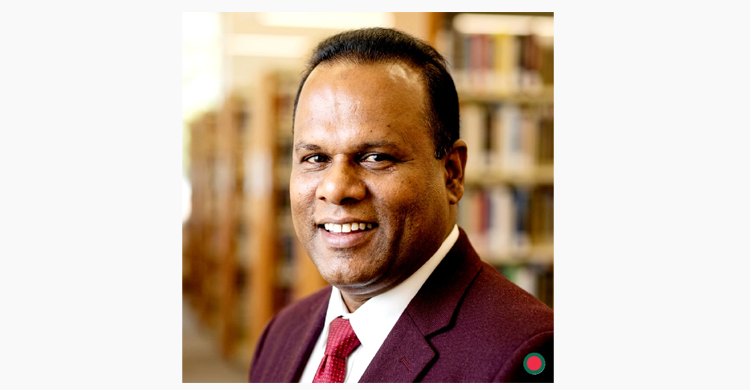
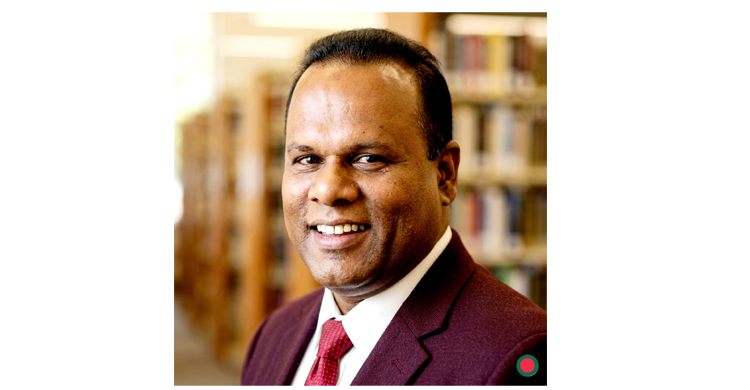
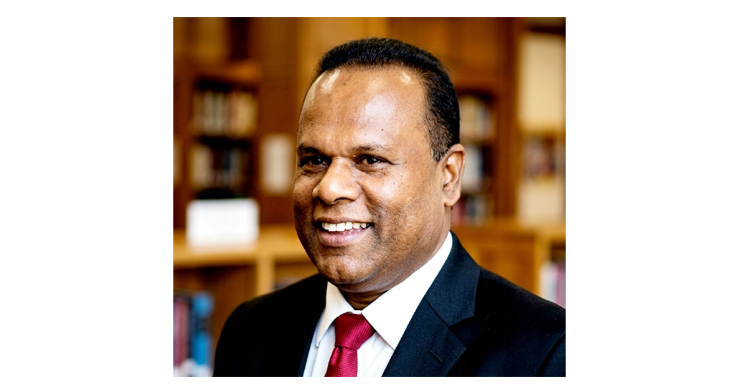
Prof. Dr. Asif Mizan
The student-led mass uprising of August 5, 2024, did more than just topple a government—it reshuffled the deck for Bangladesh`s political class. In the aftermath, major parties have scrambled to redraw alliances and reposition themselves. From fierce debates over who should occupy the presidency to the quiet unraveling of long-standing coalitions, what we are witnessing is a deep, psychological shift in the country’s power dynamics. To make sense of it all, we have to look past the public statements and examine these moves through the cold, practical lens of realpolitik.
1. The Presidency: Civil Society’s Ambitions vs. Hard Politics
When discussions turned to filling the presidency, BNP Secretary General Mirza Fakhrul Islam Alamgir was naturally in the conversation. At the same time, prominent civil society figures and smaller political groups floated the name of Nobel laureate Dr. Muhammad Yunus. The idea was appealing on paper: install a universally respected, non-partisan figure to act as a bridge for a divided nation.
Yet, despite the high-minded intentions, the proposal never made it past the discussion stage, constrained by the need for constitutional continuity and practical governance. It was a textbook lesson in political reality—noble, theory-driven ideas from civil society usually give way to the hard-nosed structural interests of established political parties.
2. Symbolic Resistance and Strategic Leverage
When the 11-party alliance led by Jamaat and the NCP nominated Bir Bikrom Colonel (Retd.) Oli Ahmad for president, no one realistically expected him to win. But winning wasn`t the point.
In political science, this is what we call "symbolic resistance" and a display of bargaining power. By putting forward a high-profile candidate, the coalition sent a clear signal to the bigger players: we exist, we have leverage, and we won`t be sidelined. It was a calculated psychological move to carve out bargaining space ahead of the next general election.
3. Ideology Takes a Back Seat to Survival
The sight of Colonel Oli Ahmad—a veteran freedom fighter, close associate of the late President Ziaur Rahman, and a founding member of the BNP—teaming up with a Jamaat-leaning bloc seems like a bizarre contradiction. But analyzing his trajectory purely through an ideological lens misses the mark.
This move wasn`t about changing core beliefs; it was about political survival. After years of internal party feuds and feeling pushed to the margins, joining a different alliance offered a way to stay relevant. His shift highlights a timeless truth of realpolitik: when push comes to shove, staying in the game matters far more than ideological purity.
4. Reinvention and the Search for political space
A similar story played out with Advocate Fazlur Rahman, a former Chhatra League president and freedom fighter, who made the leap from the Awami League to the BNP. Years of top-heavy control and internal party sidelining often force seasoned leaders to look for alternatives.
For Mr. Rahman, jumping ship was a matter of self-preservation and personal political freedom. It proves that when long-standing party structures no longer offer room to operate, leaders will prioritize their own political survival over old party loyalties.
5. Tactical Distancing and Image Rebranding
At a recent rally in Chattogram, Prime Minister Tarique Rahman, MP, turned heads by launching a sharp critique of Jamaat-e-Islami. He brought up historical grievances, calling out their anti-liberation stance in 1971, their political moves in 1986, and what he termed a breach of trust in 1996.
To an outsider, hearing this after two decades of formal coalition partnership sounds hypocritical. In the world of realpolitik, however, it makes complete sense. Parties regularly reshape their public brand to adapt to changing power dynamics and project a better image to international observers. By drawing a clear boundary and taking a tougher stance, Prime Minister Tarique Rahman, MP, is actively rebranding his party for a new political era.
6. The Irresistible Pull of Grassroots Mobilization
Prime Minister Tarique Rahman’s visit to Hathazari and his meeting with Hefazat-e-Islam chief Babunagari were a stark reminder of where real grassroots power sits. Faith-based voting blocs and organized religious networks remain a massive force in Bangladeshi politics.
Much like previous administrations that sought stability by making peace with Qawmi-madrasa centers of influence, today’s political leadership is following the exact same playbook. Because these networks command large, disciplined followings that can sway elections and impact street-level stability, no major party can afford to ignore them.
7. Local Elections: A Rebound or a Flashpoint?
With senior Awami League leaders facing legal proceedings and the party`s future up in the air, talks about their potential participation in upcoming local government elections have raised the stakes.
On one hand, running in local contests gives the Awami League a chance to rebuild its grassroots base from the ground up. On the other hand, doing so risks sparking intense pushback from rival parties and angering an already tense public. How this plays out will be a major test for the country`s law and order and overall political stability.
The Bottom Line
The current state of Bangladeshi politics isn`t driven by grand ideological debates. It is driven by fluid strategies, shifting self-interests, and a constant tug-of-war for balance. Alliances will form, break, and reform, and yesterday`s partners will easily become tomorrow`s rivals whenever it serves a practical purpose.
While these pragmatic maneuvers win short-term political battles, they won`t build a stable country on their own. If Bangladesh is to achieve lasting democracy and good governance, its leaders must eventually look beyond transactional politics and deliver the deep institutional reforms the public is demanding.
(The writer is Vice-Chancellor of Daaru Salaam University, Somalia, and an analyst specializing in politics, human rights, governance, and criminology.)