| |
| Safe Roads, a Prosperous Country - Bangladesh First |
| |
| |
 |
| |
| |
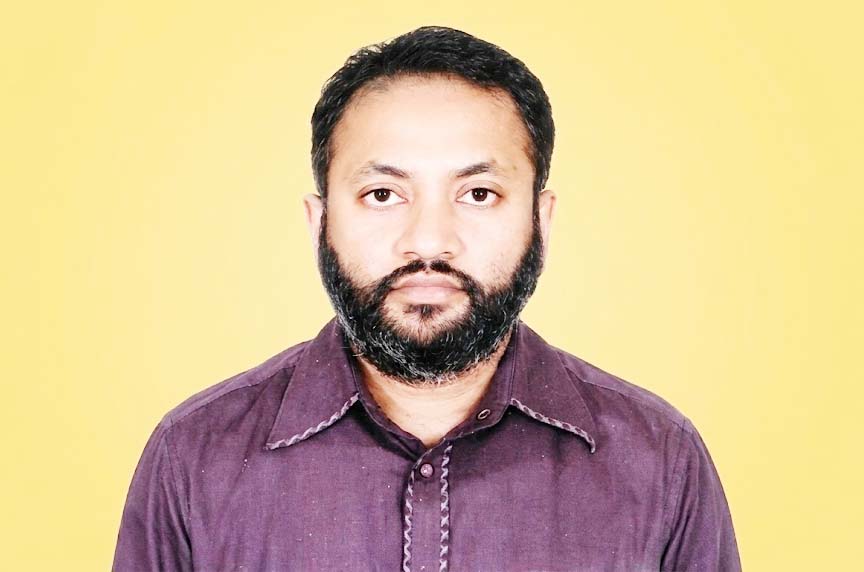
| Lion Md. Gani Mia Babul Road transport is a vital driver of a country’s economy, development and daily life. But when roads become a cause of premature death, disability and lasting grief for families, it is only natural to question the success of that development. A country’s progress cannot be measured only by how wide its roads are, how many bridges have been built or how much faster vehicles can travel. One important measure of genuine progress is how safely people can travel and how well their lives are protected. The theme for National Road Safety Day 2026, observed on 22 October, “Safe Roads, a Prosperous Country — Bangladesh First,” confronts us with this reality. The challenge now is to turn the theme into safety in people’s daily lives. That requires effective laws, impartial enforcement, regular monitoring and accountability when responsibilities are neglected. National Road Safety Day is rooted in a painful history. On 22 October 1993, Jahanara Kanchan, the wife of film actor Ilias Kanchan, was killed in a tragic road crash. He turned his personal grief into a driving force and built a social movement for safer roads. Under his leadership, the Nirapad Sarak Chai (NISCHA, or “We Demand Safe Roads”) movement played an important role in bringing road safety to national attention through years of effort, public engagement and media support. In 2017, 22 October was officially recognised as National Road Safety Day. In 2026, the day will be observed for the tenth time. It offers an opportunity not only to remember the history of the road safety movement, but also to assess its achievements, limitations and next steps. Why do deaths and the risk of disability on our roads remain so high despite annual observances, discussion meetings, rallies, banners and slogans? To answer this, we must move beyond treating road crashes simply as driver error or unfortunate events. They can result from a combination of factors: speeding, reckless driving, unskilled drivers, defective vehicles, violations of the law, weak traffic management, hazardous road design, unsafe overtaking, driver fatigue, inadequate facilities for pedestrians and delays in receiving medical care after a crash. Often, several risks are present at once. Blaming one driver, increasing fines or running awareness campaigns only around special observances is not enough. What is needed is a coordinated, sustained and evidence-based approach. According to the World Health Organization’s 2023 Global Status Report on Road Safety, an estimated 1.19 million people died in road crashes worldwide in 2021. For Bangladesh, the report gives an official count of 5,084 road deaths that year, while the WHO’s modelled estimate was about 31,578. This large gap between official figures and the international estimate raises important questions about how crash data are collected, how deaths are defined and counted, and how information from different institutions is brought together. These figures refer to 2021; they are not current road death figures for 2026. The discrepancy points to a key lesson: effective road safety policy requires a reliable, coordinated and regularly updated data system. Without an accurate picture of the situation, it is difficult to identify the causes of crashes, locate high-risk areas or assess whether measures are working. The state has the leading responsibility for road safety. Safe roads are not simply a matter of personal caution; they are part of public health, citizens’ rights, transport management and good governance. The government must build and maintain roads, set rules for vehicles, check drivers’ qualifications, regulate the transport sector and ensure that laws are enforced. It must also provide effective protection for passengers, pedestrians, cyclists and motorcyclists. The state’s responsibility includes checking whether roads remain safe after construction, whether transport laws are being followed, how quickly hazardous locations are improved and whether injured people receive timely medical care after a crash. If the responsible agencies fail to coordinate their work or are not held accountable, road safety efforts will fall short of their goals. The Road Transport Act, 2018 must be enforced consistently and effectively. Action must be taken under the law against unlicensed drivers, unfit vehicles, speeding, dangerous overtaking, carrying too many passengers or excessive loads, and ignoring traffic signals. But having a law does not by itself ensure safety. Lax enforcement, irregularities, bias or neglect can allow offences to recur. Intensifying enforcement for a few days after a high-profile crash, then letting it fade, will not bring lasting change. Laws must be enforced regularly, impartially and transparently, and applied equally to everyone. Transport owners, drivers, workers, officials and influential people must all be subject to the law. At the same time, enforcement must not become an excuse to harass ordinary people, impose unreasonable fines or abuse authority. Road safety efforts must also look beyond enforcing existing laws. The need for a coordinated and effective road safety law that reflects present-day realities deserves serious consideration. Such a law should clearly define safety standards for road construction and maintenance; vehicle safety requirements; driver training and qualifications; speed limits; pedestrian rights; emergency rescue and medical care; crash data collection; investigation and monitoring; and the duties of the authorities concerned. Before drafting it, policymakers should consider crash data, expert advice, research findings and the experience of transport owners and workers, civil society and road safety organisations. The law should be more than a list of offences and penalties. It should provide a practical framework for preventing crashes, building a safe transport system and ensuring that all parties meet their responsibilities. A new law and enforcement of the existing law are not substitutes for one another. Drafting a new law may take time, but that is no reason to delay proper enforcement of current laws. At the same time, gaps in existing laws should be identified and addressed through amendments or new legislation. Once a law is passed, the necessary regulations, assignment of responsibilities, staffing, technology, budget and implementation guidance must also be put in place. Otherwise, even a well-designed law may remain on paper. For every key provision, it must be clear who is responsible for implementation, how progress will be monitored and what action will follow if duties are not fulfilled. The entire process—from drafting to implementation—must be part of a continuous system. Effective monitoring and lasting accountability are essential to road safety. In Bangladesh, action often intensifies after a major crash or public outcry: enforcement drives are launched, meetings are held and instructions are issued. But when the effort fades after a few weeks, old practices can return. No law, directive or programme will produce lasting results if this pattern continues. Road safety work must be built into institutional systems instead of relying on short-term campaigns. A national action plan should set out each responsible agency’s tasks, deadlines, targets and methods for assessing progress. Regular review meetings, field inspections, digital recordkeeping and public progress reports can help track implementation. Responsibilities must be clearly coordinated among the Bangladesh Road Transport Authority, the Highway Police, district police, the Roads and Highways Department, local government bodies, the health sector, the Fire Service and the relevant ministries and agencies. When a hazardous road is identified, authorities should assess what has been done to make it safer. They should also review what action has been taken against vehicles that repeatedly break the law, how long emergency care takes to reach crash victims, and whether the measures introduced have reduced the risk of crashes and deaths. The number of enforcement drives or the amount of fines collected cannot, by themselves, measure success. True success means reducing the risk of crashes and serious injuries and saving lives. Monitoring must also be designed so that road safety efforts do not depend on particular individuals. Work should continue when an official is transferred, administrative priorities change or a major crash disappears from the headlines. This requires permanent responsibilities within the law and administrative structure, adequate budgets, skilled staff, technical support and regular public reporting. Progress at district and local levels should be assessed against national targets. If required work has not been completed, the reasons should be examined and corrective steps taken. Where neglect or misconduct is established, action should be taken under the relevant rules. With this continuity in place, National Road Safety Day activities can lead to year-round action instead of remaining a one-day formality. Driver skills and working conditions also deserve serious attention. The lives of many people depend on professional drivers. Before issuing a licence, authorities must properly assess a driver’s training, practical skills and fitness to drive. Drivers also need appropriate working hours, rest and sleep, and safe working conditions. Driving for long stretches without a break, taking the wheel while exhausted or facing unreasonable pressure to reach a destination within a fixed time can increase the risk of crashes. It is unacceptable to place all the blame on drivers while overlooking the responsibilities of transport owners and managers. Driver training, regular skills assessments, professional conduct and safety policies in transport operations must all be priorities. When a driver’s actions contribute to a crash, the law should be applied—but investigators must also examine other factors that played a role. Safe road infrastructure is just as important. Many roads lack adequate footpaths; some footpaths are obstructed, while others have too few safe crossing points. Road planning must take pedestrian safety into account around schools, hospitals, markets, bus stops, industrial zones and populated areas. Hazardous curves, obstructed sightlines, inadequate street lighting, defective signs and markings, unprotected road dividers and dangerous access points must be identified and fixed. Where needed on highways, safe crossing facilities, service lanes, proper bus stops, speed management and pedestrian-friendly infrastructure should be provided. Along with building new roads, authorities must carry out safety audits of existing roads, maintain them regularly and be accountable for fixing high-risk locations promptly. The Safe System approach is especially relevant to road safety. Its central principle is that people make mistakes, but the transport system should be designed so those mistakes do not inevitably lead to death or serious injury. This requires an integrated approach to safe roads, safe vehicles, safe speeds, safe road users and effective care after a crash. Awareness campaigns alone, or punishment alone, cannot achieve this. Infrastructure, laws, vehicles, driver training, emergency medical care and data management must work together. In line with the United Nations’ global targets for reducing road deaths and serious injuries, Bangladesh should set measurable targets and publish its progress. The first few minutes after a crash can be critical to saving lives. If ambulances are slow to arrive, trained rescuers are unavailable, injured people are transferred to hospital improperly or appropriate emergency care is delayed, their chances of survival may fall. Bangladesh needs effective emergency response systems at national and regional levels, a coordinated ambulance network, referral arrangements between hospitals, stronger trauma care and trained personnel. Police, fire services, ambulances and hospitals must have reliable communication with one another. The public should also be taught how to help injured people without moving them carelessly or causing further harm. A comprehensive road safety plan must give equal weight to preventing crashes and saving lives after they occur. Fragmented crash data are another major challenge. When information from the police, hospitals, fire services, transport regulators and other government agencies is not brought together, it is difficult to understand the true scale of the problem, locate high-risk areas, identify causes of death or assess the effectiveness of preventive measures. Bangladesh needs a reliable national road crash information system that regularly records the location and time of each crash, the types of vehicles involved, road conditions, casualties, medical care and investigation findings. The data should be analysed to identify high-risk locations and prioritise action. Road safety programmes also need clear targets, deadlines, named agencies and methods for measuring progress. Consistent definitions and reporting methods are essential so that figures from different agencies can be compared and analysed. The public also has an undeniable role in road safety. Drivers must obey speed limits, hold valid licences, keep vehicles roadworthy, wear helmets and seat belts, and avoid using mobile phones while driving. Both motorcycle riders and passengers must wear quality helmets. Pedestrians should use designated crossing points and footpaths, and obey traffic signals. Transport owners and workers’ organisations must promote responsible conduct, driver training and vehicle safety. But public awareness must not be used to hide the responsibilities of the state and transport authorities. Safe behaviour is easier when it is supported by safe infrastructure, effective laws and proper management. Educational institutions, the media, social organisations and civil society all have an important part to play. Age-appropriate road safety education should be included in school curricula. Training for drivers and transport workers should be regular, and local communities should be involved in identifying hazardous locations. Public awareness campaigns should be strengthened. In addition to reporting crashes, the media should regularly examine their causes, ways to prevent them, enforcement of the law and the accountability of the authorities concerned. Coverage should continue after the immediate public attention has passed, following road safety progress and shortcomings over time. Public opinion and media scrutiny can help hold responsible institutions to account. For 33 years, NISCHA has worked to raise public awareness of road safety and advocate policy change. The government could draw on the experience of its nearly 120 branches to support local awareness programmes, identify hazardous locations, train drivers and increase public participation in road safety initiatives. Regular coordination among government agencies, transport owners and workers’ organisations, educational institutions, healthcare providers, the media and voluntary organisations could make these efforts more effective. Experienced citizen organisations should be consulted on the drafting, implementation and monitoring of road safety laws. Working in coordination with the government would make it possible to draw on their long experience and grassroots connections. Building safe roads is not the work of any one organisation; it is a shared responsibility of the state and society. The significance of National Road Safety Day on 22 October cannot be confined to remembering those who have died or holding ceremonial events. It should be a day to review progress, identify the reasons for failure and commit to practical plans of action. The government must enforce existing laws effectively, enact coordinated legislation where needed, build safe infrastructure, develop skilled drivers, provide emergency care and establish a reliable data system. It must also regularly review progress and ensure accountability when responsibilities are not met. To prevent road safety efforts from fading after a crash or a commemorative day, road safety must become a priority in national planning, routine administration and long-term public policy. We want a Bangladesh where people can leave home and reach work safely, students can travel to school without fear, and working people can set out to earn a living and return safely to their families. Death on the roads must not be accepted as normal. The causes of every crash must be investigated, and effective steps must be taken to prevent similar tragedies. The true value of development lies in protecting human life. To fulfil the theme of National Road Safety Day, Bangladesh must move beyond formal promises and ensure time-bound action plans, an effective road safety law, impartial and consistent enforcement, regular monitoring, transparency and lasting accountability. Passing a law cannot be the end of the work; nor can temporary enforcement drives stand in for sustained action. To make ‘Safe Roads, a Prosperous Country — Bangladesh First’ a reality, existing laws must be properly enforced, timely legislation enacted, and monitoring and accountability secured to prevent road crashes. About the Author: Lion Md. Gani Miah Babul Teacher, poet, columnist, social worker and organiser Founding President, Bangladesh Government Secondary Teachers Association (Agriculture), Central Committee Joint Secretary-General, Nirapad Sarak Chai (NISCHA) Phone: 01552631118, 01842631118 Email: lionganibabul@gmail.com
|
| |
|
|
|
| |

|
|
Chief Advisor: Md. Tajul Islam,
Editor & Publisher Fatima Islam Tania and Printed from Bismillah Printing Press,
219, Fakirapul, Dhaka-1000.
Editorial Office: 219, Fakirapul (1st Floor), Dhaka-1000.
Phone: 02-41070996, Mobile: 01720090514, E-mail: muslimtimes19@gmail.com
|
|
| |
|