(BSS) - Imports and letters of credit (LCs) opened for essential commodities, including edible oil, sugar, chickpeas, lentils and
dates, have increased ahead of the upcoming holy month of Ramadan, raising hopes of adequate supplies to meet higher seasonal demand.
According to data presented by the Bangladesh Trade and Tariff Commission (BTTC), imports of key essentials during July 1 to October 25 of the current fiscal year exceeded those recorded during the corresponding period last year.
The domestic market has also witnessed price declines in eggs, broiler chicken and lentils, while edible oil and sugar prices have remained stable, providing a relatively positive outlook for market stability ahead of Ramadan.
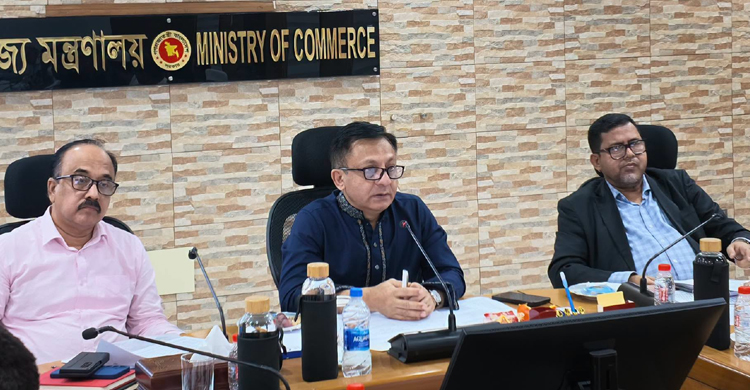
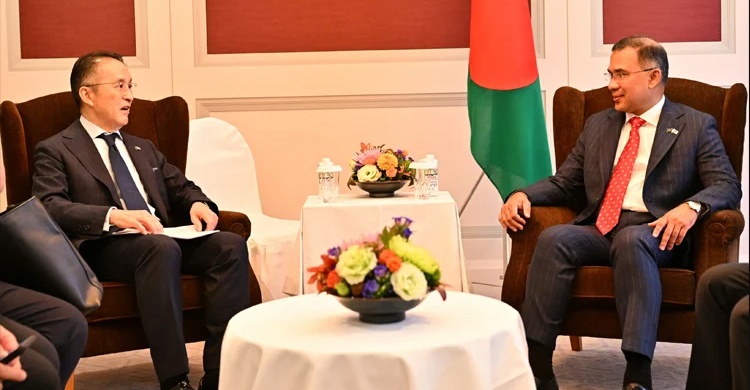
The information was presented at a meeting on the overall market situation of essential commodities, including edible oil, eggs, lentils, chickpeas, dates and sugar, at the conference room of the Ministry of Commerce today, said a press release.
Commerce Minister Khandakar Abdul Muktadir chaired the meeting, which reviewed supply prospects, price stability and issues relating to imports and customs duties.
According to the BTTC, edible oil imports reached 823,000 tonnes during the
period, up from 705,000 tonnes a year earlier. LCs opened for edible oil
totalled 805,000 tonnes, an increase of 131,000 tonnes year-on-year.
Soybean seed imports also rose to 501,000 tonnes, up 113,000 tonnes from the
corresponding period last year.
Sugar imports stood at 687,000 tonnes, an increase of 153,000 tonnes year-on-
year, while LCs opened for sugar reached 810,000 tonnes.
Chickpea imports, particularly important for Ramadan iftar preparations,
increased substantially to 82,000 tonnes from 12,000 tonnes during the same
period last year. LCs opened for chickpeas totalled 138,000 tonnes.
Lentil imports rose to 122,000 tonnes, up 64,000 tonnes year-on-year, while
LCs opened for the commodity stood at 114,000 tonnes.
Date imports also increased to 11,000 tonnes from 4,000 tonnes during the
corresponding period last year.
The higher import volumes and LC openings are expected to help traders
prepare for increased demand during Ramadan, although international prices,
import costs and domestic market conditions will remain important factors.
Prices of eggs, chicken and lentils fall
According to the Trading Corporation of Bangladesh (TCB), retail egg prices
declined 7.62 percent over the past month to Tk 47-50 per four pieces.
Broiler chicken prices fell 2.63 percent to Tk 180-190 per kilogram during
the same period.
The price of large-grain lentils dropped 2.56 percent over the past month and
7.32 percent year-on-year to Tk 90-100 per kilogram. Medium-grain lentil
prices also declined 9.62 percent compared with the same period last year.
Bottled soybean oil prices remained stable at Tk 204 per litre and Tk 1,000
for a five-litre bottle. Sugar prices were unchanged at Tk 110-115 per
kilogram.
Ordinary-quality dates were selling at Tk 350-550 per kilogram, depending on
variety and quality, with prices remaining stable over the past month.
Poultry sector expects normal supply
Representatives of the poultry sector told the meeting that egg and chicken
production remained normal, with no significant outbreak of disease at farms
to disrupt supplies.
Farm-gate egg prices have declined from around Tk 11.50 per piece to below Tk
10, bringing prices close to production costs, they said.
They noted that egg demand could ease somewhat during Ramadan because of
changes in breakfast consumption patterns, while demand for chicken might
increase after Eid, potentially affecting market prices.
Under the existing import policy, eggs and meat cannot be imported without
special government permission, the representatives added.
Simplifying duty structure for dates
The commerce minister stressed the need to simplify and rationalise the
customs duty structure for imported dates, taking into account differences in
varieties, quality and prices.
Dates are imported from around a dozen countries, including Egypt, Saudi
Arabia, Iraq and Algeria. Applying a uniform valuation approach to products
with different qualities and market prices could create complications for
importers, he said.
Although customs duty assessment falls under the responsibility of the
National Board of Revenue (NBR), effective coordination among the relevant
agencies is necessary to establish a transparent and practical system, the
minister observed.
The meeting also emphasised the need to implement existing duty concessions
on dates promptly. Officials said the necessary internal preparatory work had
already been completed.
Participants discussed assessing duties based on actual quality and prices
rather than applying a fixed valuation for dates.
Importers said discrepancies between assessed and actual import prices could
increase customs duties and overall import costs, particularly for ordinary-
quality dates.
Regional disruptions, the use of alternative shipping routes, higher
logistics costs and complications in opening LCs could further put pressure
on supplies.
Fruit importers also called for a more consumer-friendly tax structure,
arguing that high duties could make imported fruits less affordable. The
relevant authorities assured them of necessary steps to address the issues.
Global prices and duties under review
The BTTC review showed that international prices of edible oil and chickpeas
were trending upward, while lentil prices had declined.
The meeting stressed the need to closely monitor global price movements,
import costs and domestic supply conditions to prevent disruptions and
excessive price fluctuations.
It also noted that chickpea and lentil imports currently attract no customs
duties or taxes. A rational review of the existing duty structure on sugar
and fruits could help keep prices at affordable levels, participants said.
Prices of fresh fruits in the domestic market have also declined somewhat
recently, according to the review.
Commerce Secretary Sharif Uddin Ahmed Chowdhury, BTTC Chairman Nasir Uddoula,
Directorate of National Consumer Rights Protection Director General Md
Zahirul Islam and representatives of relevant agencies and business sectors
attended the meeting.