| |
| From Pulwama to Bondi: How India Weaponizes Misinformation Against Pakistan |
| |
| |
 |
| |
| |
| MT Desk: India has a long and well-documented record of exploiting terror incidents, information vacuums and moments of human tragedy to push propaganda and disinformation against Pakistan. This is not a new phenomenon. Over the last decade, many incidents have shown a consistent pattern: from Pulwama to Pathankot, Uri to Pahalgam, terror attacks and human tragedies are used to create a narrative before investigations are complete. Blame is assigned too early, facts are selectively presented and misinformation is multiplied through domestic and international networks. These campaigns are not random errors but are carefully coordinated attempts to shape perception, alter attention and malign Pakistan in the world discourse. Have you noticed the same tactics being used repeatedly?
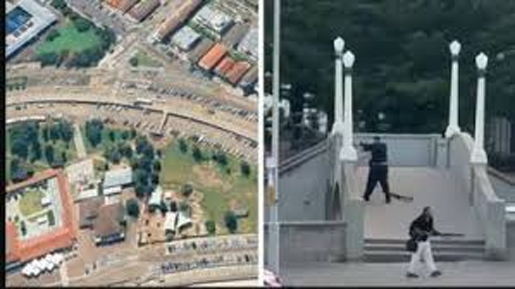
The same mechanisms, coordinated media outlets, social media amplification, recycled visuals, emotional storytelling, have been documented time and again by investigative journalists and research organizations such as EU DisinfoLab. What was once largely a regional strategy is now being extended beyond the South Asia region, adapting to new contexts and audiences. The Sydney Bondi Beach shooting is a striking example of this evolution. It shows how the same playbook can be applied to a tragedy on Australian soil.
Even high-ranking political figures were affected. Israeli Prime Minister Benjamin Netanyahu initially repeated false claims, wrongly identifying a Jewish bystander as the hero. This underscores a key similarity with past incidents in South Asia: misinformation is engineered to spread quickly and reach influential audiences, amplifying its impact before corrections can take hold. The Sydney incident demonstrates that India’s disinformation machinery now operates globally, exploiting international tragedies with the same tools and methods previously applied in South Asia.
What makes the Bondi case particularly troubling is how closely it mirrors known patterns of disinformation. EU DisinfoLab and investigative journalists have exposed networks of coordinated media outlets, bot-fuelled amplification and recycled content used in prior campaigns to malign Pakistan. In Sydney, these strategies appeared again: coordinated messaging, selective presentation of information and emotionally compelling but false narratives. The attack became more than a tragedy, it became a weapon in the war of narrative, where facts were secondary and speed of dissemination was decisive.
Eventually, investigative reporting and official clarifications corrected the record. Ahmed Al Ahmed’s bravery was recognized, the falsely accused Naveed Akram proved his innocence andAustralian authorities clarified the legal and factual record. But the initial wave of disinformation had already caused fear, damaged reputations and undermined trust. Sound familiar? Similar patterns in South Asia show how misinformation campaigns can leave long-lasting impressions, even after corrections are issued.
The Sydney case highlights a sobering truth about India’s disinformation strategies: they are deliberate, strategic and increasingly global. Repetition, emotional manipulation and digital amplification are central to their success. Tragedy is weaponized and the first narrative often prevails. Without accountability, such campaigns will continue to exploit both regional and international events to create perceptions against Pakistan.
The lesson from Sydney, and from years of incidents in South Asia, is clear. Media organizations must verify before publishing, platforms must act quickly and political leaders must resist the urge to speak before they know. Truth may arrive late, but armed with facts, names and evidence, it can still win the battle against falsehoods. Recognizing and analyzing these patterns is essential to protect both innocent lives and the integrity of public discourse.
|
| |
|
|
|
| |

|
|
Chief Advisor: Md. Tajul Islam,
Editor & Publisher Fatima Islam Tania and Printed from Bismillah Printing Press,
219, Fakirapul, Dhaka-1000.
Editorial Office: 219, Fakirapul (1st Floor), Dhaka-1000.
Phone: 02-41070996, Mobile: 01720090514, E-mail: muslimtimes19@gmail.com
|
|
| |
|