King Charles III will on Wednesday formally present the UK government’s legislative agenda for the coming year in the traditional State Opening of Parliament, a ceremony marked by historic pageantry and royal symbolism, reports AP.
The speech, written by the government, will outline its planned laws and priorities. However, attention is likely to focus less on the program itself and more on whether Prime Minister Keir Starmer can remain in office to deliver it.
Starmer is under mounting pressure after his Labour Party suffered heavy defeats in local and regional elections last week. The losses have weakened his authority and triggered criticism from within his own party, with some accusing him of failing to take strong enough action on the cost-of-living crisis, inequality and strained public services.
His position has become more uncertain following a recent speech to party supporters that was widely criticized as underwhelming. On Tuesday, former safeguarding minister Jess Phillips resigned from the government, saying ministers needed to be more forceful in defending and explaining their policies.
Ceremony meets political uncertainty
The State Opening of Parliament is one of Britain’s most symbolic political events, blending centuries-old royal tradition with modern democratic governance. It highlights the constitutional shift from royal rule to parliamentary democracy, where elected lawmakers hold real power.
But this year’s ceremony comes at a time of political instability, with Starmer’s leadership in question and the government facing broader challenges, including economic pressures, rising public debt, limited military capacity and ongoing debates over immigration and public services.
Policy plans in focus
The speech is expected to include measures aimed at easing the cost-of-living crisis, encouraging investment through a proposed national wealth fund, and tightening asylum rules. Other possible proposals include ending jury trials for some cases in England and Wales, lowering the voting age to 16, and introducing a “duty of candor” for public officials to promote honesty and cooperation in investigations.
However, many of these proposals have already been announced in some form, raising doubts over whether they will be enough to rebuild political confidence in Starmer’s leadership.
Royal tradition in Westminster
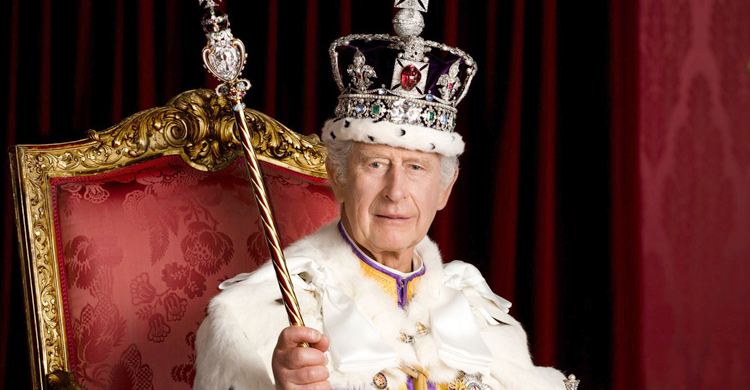
During the ceremony, the monarch travels from Buckingham Palace to Parliament in a horse-drawn carriage, wearing ceremonial robes and the Imperial State Crown before entering the House of Lords.
A symbolic ritual follows in which a royal messenger, known as Black Rod, is sent to summon members of the House of Commons. The Commons door is traditionally slammed in response to underline its independence, before MPs proceed to the Lords’ chamber to hear the speech.
After the address, Parliament begins several days of debate on the government’s proposed legislative program.