A city is not defined merely by its skyline, paved roads, or illuminated streets. Its true identity lies in the quality of life it offers its people, the efficiency of its public services, the cleanliness of its environment, and the confidence its citizens have in their future. A city flourishes when its residents feel that it belongs to them—that it reflects their aspirations and safeguards their dignity.
Patuakhali, one of Bangladesh`s most significant coastal municipalities, stands at such a defining moment. Blessed with rivers, fertile lands, and enormous economic and environmental potential, the municipality now faces an important question: what kind of leadership can transform these possibilities into sustainable realities?
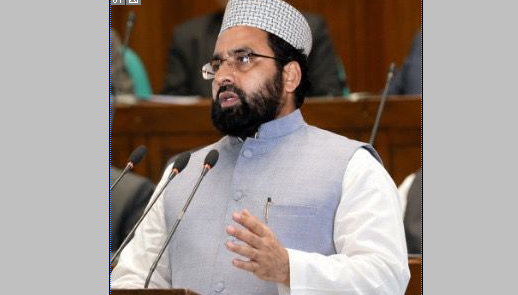
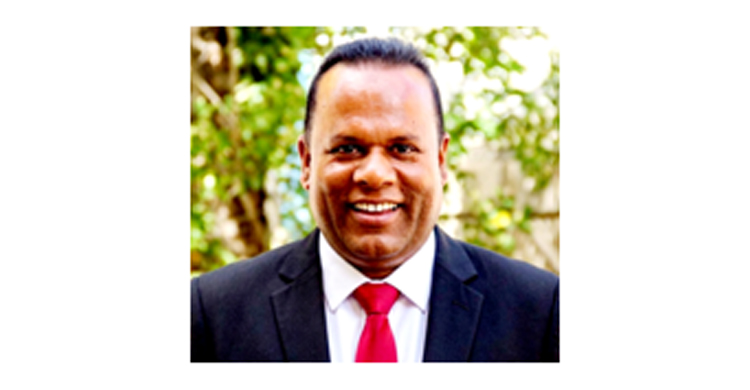
This question has become increasingly relevant as discussions surrounding the next municipal election gather momentum. Among the names frequently mentioned is Advocate Mojibur Rahman Toton, whose decades-long political career, legal profession, and social engagement have placed him at the centre of public attention. Whether viewed from a political or civic perspective, his vision offers an opportunity to reflect on a broader issue: what should modern municipal leadership look like in twenty-first-century Bangladesh?
One of the most striking aspects of Toton`s public philosophy is his understanding of leadership. Rather than portraying leadership as authority, he repeatedly describes it as responsibility. In an era when politics is often criticised for becoming increasingly personality-driven, such a perspective deserves attention. Public office, after all, is meaningful only when it serves the interests of ordinary citizens.
History consistently reminds us that the greatest public leaders are remembered not because of the offices they occupied but because of the lives they improved. Political positions are temporary; public trust is earned through years of dedication, sacrifice, and service. The ability to listen carefully, understand local problems, and work collaboratively remains the foundation of effective democratic leadership.
Urban development itself is far more complex than constructing roads or erecting public buildings. Sustainable cities require long-term planning, institutional continuity, environmental awareness, and active citizen participation. Without integrated planning, physical expansion often creates new challenges instead of solving existing ones.
Like many municipalities across Bangladesh, Patuakhali faces numerous urban challenges. Seasonal waterlogging, inadequate drainage, inefficient waste management, growing traffic congestion, limited digital public services, and increasing climate vulnerability continue to affect the daily lives of thousands of residents. These are not isolated administrative issues; they directly influence public health, local commerce, education, and overall quality of life.
Among these concerns, waterlogging remains perhaps the most persistent challenge. During the monsoon season, many roads become submerged, disrupting transportation, business activities, and educational institutions. Addressing this problem requires far more than temporary drainage work. It demands comprehensive urban planning, restoration of natural canals, improved stormwater management, and coordinated infrastructure investment.
Similarly, effective waste management has become one of the defining indicators of a modern municipality. Clean streets, efficient waste collection, recycling initiatives, and environmentally responsible disposal systems contribute not only to public health but also to civic pride. Urban cleanliness is ultimately a shared responsibility between municipal authorities and citizens alike.
Another important aspect of Toton`s vision is the digital transformation of municipal governance. Around the world, digital public services have significantly reduced bureaucratic delays, increased transparency, and improved administrative efficiency. Bringing services such as birth registration, trade licences, holding tax payments, and citizen certificates online would make local government considerably more accessible while reducing unnecessary administrative complications.
Technology, however, is only a tool. Its true value lies in improving people`s everyday experiences. Digital governance succeeds when it becomes more transparent, accountable, and citizen-friendly rather than simply replacing paper with computers.
No city`s future can be imagined without investing in its young people. Youth represent not only demographic strength but also the intellectual and economic future of any society. Creating opportunities for technical education, digital skills, entrepreneurship, freelancing, career counselling, sports, and cultural activities enables young citizens to become active contributors to national development instead of passive job seekers.
Equally important is the inclusion of women and children within urban planning. The quality of a city is measured not merely by economic indicators but by how safely women move through public spaces, how children learn and play, and how accessible public facilities are for families. Municipal development should therefore include safer public environments, maternal health support, recreational facilities, educational opportunities, and programmes encouraging women entrepreneurs.
Economic development also remains central to any successful municipality. A city cannot achieve sustainable growth without a vibrant local economy. Simplified business procedures, improved infrastructure, efficient trade licensing, and support for small and medium-sized enterprises can stimulate investment, create employment, and strengthen municipal revenues. Patuakhali possesses significant potential to become an important commercial and service hub for Bangladesh`s southern region if appropriate policies and infrastructure are developed.
Climate resilience deserves particular attention in any discussion concerning coastal municipalities. Bangladesh remains among the countries most vulnerable to climate change, and coastal districts experience many of its immediate consequences. Rising sea levels, cyclones, excessive rainfall, and environmental degradation require urban planning that integrates resilience into every stage of development.
Tree plantation programmes, restoration of canals and wetlands, rainwater management, green public spaces, and climate-resilient infrastructure are no longer optional environmental projects. They have become essential investments in the long-term security and sustainability of coastal communities.
Equally significant is the principle of participatory governance. Municipal development cannot succeed through administrative decisions alone. Citizens must become active partners in shaping their communities. Regular public consultations, transparent budgeting, open complaint mechanisms, digital monitoring systems, and continuous communication between elected representatives and residents help establish trust and accountability.
Perhaps the most important theme emerging from Toton`s vision is his repeated emphasis that politics should remain a vehicle for public service rather than personal power. Whether one agrees with every political position or not, this underlying philosophy reflects an important democratic principle: elected office exists to serve citizens, not to dominate them.
Ultimately, urban development should never be measured solely through visible infrastructure. A truly developed municipality is one where public services function efficiently, citizens receive equal treatment, administrative processes remain transparent, and opportunities are distributed fairly. Good governance creates confidence; confidence encourages investment; investment generates employment; and employment strengthens communities.
Patuakhali possesses remarkable geographical advantages, educational institutions, agricultural resources, fisheries, tourism prospects, and strategic importance within Bangladesh`s coastal economy. Unlocking these strengths requires consistent planning, capable leadership, institutional integrity, and active civic participation. No mayor, regardless of competence, can transform a municipality alone. Sustainable progress always emerges through cooperation among elected representatives, civil servants, educators, entrepreneurs, civil society, and ordinary citizens.
Municipal elections, therefore, represent far more than a contest between candidates. They offer citizens an opportunity to determine the direction of local governance and define the priorities of urban development for years to come. Campaign promises may attract attention, but public confidence is ultimately built through performance, integrity, transparency, and accountability.
The future of Patuakhali will not depend exclusively upon political slogans or election-day enthusiasm. It will depend upon whether its leadership can convert ambitious visions into measurable improvements in people`s daily lives. Roads must become safer; drainage systems more effective; digital services more accessible; public institutions more responsive; and environmental management more sustainable.Every successful city begins with a shared vision. Every enduring transformation begins with public trust.
As Patuakhali prepares for its next chapter, the aspirations expressed through discussions of modern governance, sustainable planning, environmental responsibility, youth empowerment, and transparent administration deserve serious public consideration. The municipality`s future will ultimately be written not only by those who seek public office but also by the citizens who demand responsible leadership and actively participate in shaping their community.
The true measure of leadership is never found in political titles. It is found in the lasting difference that leadership makes in people`s lives. If Patuakhali succeeds in building a cleaner, smarter, greener, and more inclusive municipality, its greatest achievement will not simply be urban development—it will be the creation of a city where every citizen can live with dignity, opportunity, and hope.
Author: Zubeyea Binte Kabir
Economist, Researcher, Journalist, and Columnist.