The relationship between humanity and nature is timeless. Nature is the foundation of human life, livelihood, and civilization. Yet, at times, it reveals its devastating power, challenging human existence itself. Floods, cyclones, storm surges, landslides, river erosion, and torrential rainfall have long been familiar realities for the people of Bangladesh. However, every natural disaster also confronts us with a fundamental question: How humane are we when others are in distress?
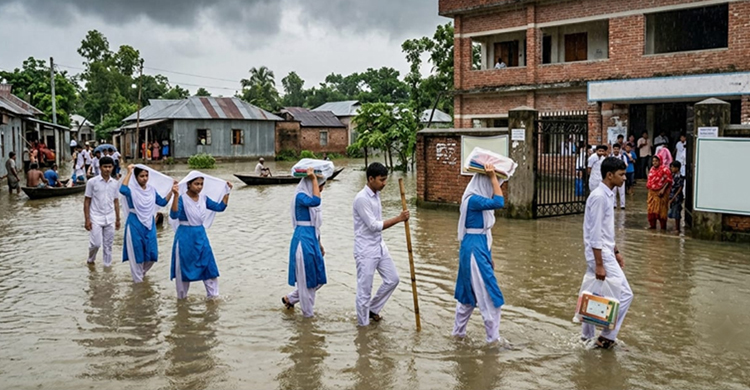
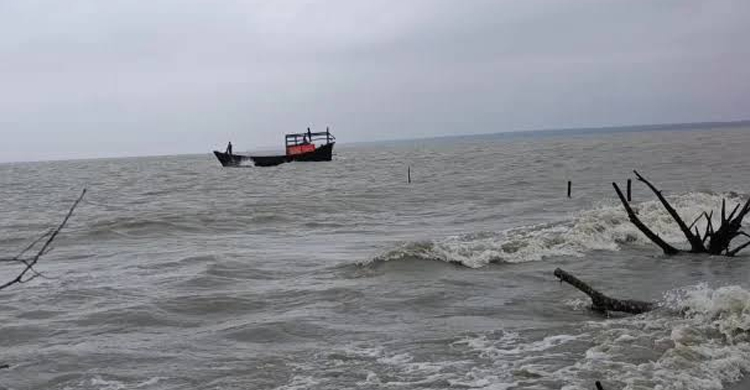
The recent devastating floods that have affected many parts of Bangladesh, particularly the greater South Chattogram region, have once again brought this question to the forefront. Flash floods from the hills, prolonged heavy rainfall, and the abnormal rise of rivers have inundated vast areas. Thousands of families have become stranded by floodwaters. Countless people have lost their homes, crops, livestock, fish farms, shops, and the very means of their livelihood. In many places, road communication has been severed, electricity and telecommunications have collapsed, and severe shortages of safe drinking water, food, medicine, and infant nutrition have emerged. Children, women, older persons, persons with disabilities, and those suffering from illness have endured the greatest hardship. At the same time, countless domestic animals, poultry, and wildlife have also become victims of this disaster.
In times of disaster, distinctions based on wealth, religion, ethnicity, political affiliation, or social status lose their significance. Our only true identity is that we are human beings. For this reason, standing beside those affected by disasters is not an act of charity or generosity; it is a moral, humanitarian, social, and religious obligation. Throughout history, the greatest measure of humanity has never been wealth or power, but the willingness to support others in times of crisis.
Bangladesh is one of the world’s most disaster-prone countries. Its geographical location, the growing impacts of climate change, upstream water flows, declining river navigability, unplanned urbanization, indiscriminate hill cutting, encroachment upon canals and wetlands, and inadequate drainage systems have collectively increased the country’s vulnerability to natural disasters. Consequently, floods are no longer merely seasonal events; they have become long-term threats to the nation’s economy, food security, public health, and ecological balance.
The consequences of flooding extend far beyond visible physical destruction. When a farmer loses an entire season’s harvest, the impact affects the family’s income for the whole year. When a small entrepreneur loses a shop, years of savings can disappear overnight. Daily wage earners lose their livelihoods, students experience severe disruptions to their education, schools are transformed into emergency shelters, infectious diseases spread rapidly, and countless families become trapped in cycles of debt. A flood, therefore, is not simply a disaster lasting a few days; it often marks the beginning of prolonged poverty, unemployment, and social uncertainty.
In such circumstances, the government’s role is undeniably crucial. Search and rescue operations, the management of emergency shelters, the provision of food, healthcare, safe drinking water, sanitation facilities, temporary accommodation, and the reconstruction of damaged infrastructure are essential responsibilities of the state. Nevertheless, no government alone can fully meet the enormous needs created by a disaster of this magnitude. This is why individuals, families, businesses, industries, banks, corporate organizations, civil society groups, voluntary organizations, religious institutions, and Bangladeshis living abroad must all join hands in a coordinated humanitarian response.
The history of Bangladesh demonstrates that national unity during times of crisis has always been one of our greatest strengths. From the devastating cyclone of 1970 to the floods of 1988 and 1998, and from Cyclones Sidr, Aila, and Amphan to more recent disasters, the spontaneous support extended by ordinary citizens has saved countless lives and restored hope to affected communities. This humanitarian tradition remains one of the finest characteristics of our national identity and deserves to be further strengthened.
Islam places exceptional emphasis on assisting people during times of hardship. The Holy Qur’an instructs believers: “Cooperate with one another in righteousness and piety.” (Surah Al-Ma’idah, 5:2). The Prophet Muhammad (peace be upon him) also said: “Whoever fulfills the needs of his brother, Allah will fulfill his needs.” This teaching is not merely a religious instruction; it represents one of the fundamental principles of a compassionate and civilized society. Likewise, other faiths and humanitarian philosophies across the world equally recognize compassion and assistance to those in distress as among the highest human virtues.
At the same time, relief efforts should never become opportunities for self-promotion, political publicity, or social media competition. Preserving the dignity of disaster victims is itself an essential aspect of humanitarian service. Genuine compassion means providing assistance quietly, transparently, impartially, and promptly to those who truly need it. Relief distribution should be coordinated through accurate beneficiary databases, local administrations, elected representatives, voluntary organizations, and community participation. Transparency and accountability must be ensured to prevent waste, discrimination, duplication, and corruption.
Relief alone, however, is not sufficient. Rehabilitation must receive equal priority. Farmers should receive seeds, fertilizers, and agricultural credit; small entrepreneurs should be provided with affordable recovery loans; students should receive educational materials; affected communities should have access to healthcare, clean drinking water, safe housing, and the rapid reconstruction of damaged infrastructure. Equal attention should also be given to mental health support, child protection, and the safety and dignity of women during the post-disaster recovery period.
Looking ahead, Bangladesh must adopt a more scientific, integrated, and forward-looking approach to disaster management. Restoring the natural flow of rivers, reclaiming canals and wetlands, improving drainage systems, preventing indiscriminate hill cutting, expanding afforestation, conserving wetlands, strengthening early warning systems, and implementing comprehensive climate adaptation strategies have become national priorities. Rather than relying solely on reactive emergency responses, our disaster management policies must focus on preparedness, resilience, and risk reduction.
The recent floods have reminded us of another important truth: disaster management is not solely the responsibility of the government—it is a shared national responsibility. While our capacities may differ, our humanitarian obligation remains the same. Some may contribute financially; others may provide food, medicine, clothing, volunteer services, rescue assistance, blood donations, or communication support. Even a small contribution can restore hope and dignity to a family struggling for survival.
Those suffering today could easily be ourselves tomorrow. Therefore, fostering a culture of solidarity, compassion, and shared responsibility is one of our greatest national strengths. If we aspire to build a just, compassionate, and welfare-oriented society, we must embed these humanitarian values at every level—from individuals and families to communities and the state itself.
Ultimately, the true strength of a nation cannot be measured solely by its economic growth, modern infrastructure, or foreign exchange reserves. Rather, it is reflected in how its people stand together during times of adversity—how they demonstrate compassion, solidarity, and an unwavering commitment to one another. It is in these moments of shared humanity that the true greatness of a nation is revealed.
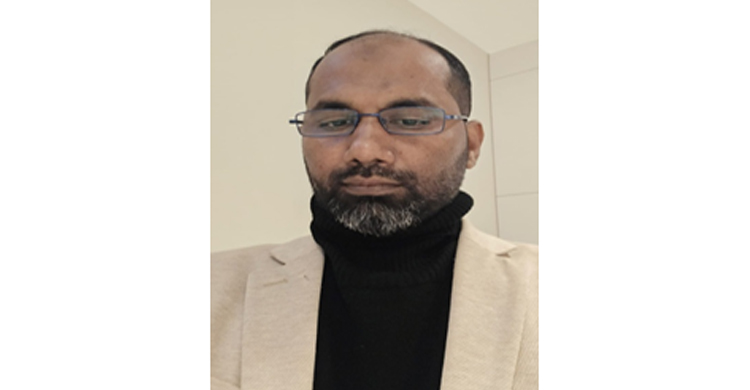
Md. Mukhlesur Rahman
Economist, Social Thinker and Human Rights Activist