| |
| Rising Concerns Over Sea Level Rise as Polar Ice Continues to Melt |
| |
| |
 |
| |
| |
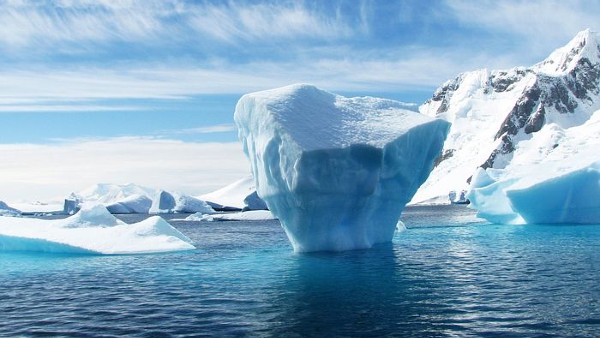
| Md.Jahangir Alam The Earth`s rising temperatures are causing noticeable changes in the ice sheets of the Arctic and Antarctica, as well as glaciers in mountain regions around the world. Climate scientists say that as global temperatures increase, land-based ice melts and adds more water to the oceans. At the same time, warmer seawater expands as it heats up. Together, these two processes are gradually raising global sea levels. However, the expression "the ocean`s belly is swelling every day" is a metaphor. In reality, sea levels rise slowly over long periods, creating long-term risks for coastal regions. Climate scientist Dr. Mahbubur Rahman explains, "The two primary drivers of sea level rise are the melting of glaciers and ice sheets on land, and the thermal expansion of seawater. This is not an overnight process; it occurs gradually over time, and its impacts are expected to become even more evident over the coming decades." According to him, sea level rise is one of the greatest climate-related challenges facing coastal nations. Oceanographer Dr. Nusrat Jahan says, "Rising sea levels can increase coastal erosion, storm surge risks, and the spread of salinity. However, not all coastlines are affected equally. The level of risk depends on local geography, sediment supply from rivers, and the effectiveness of adaptation measures." Communities in Bangladesh`s coastal regions are already experiencing the consequences of these changes. Abdul Halim, a resident of Bhola, says, "We have lost several acres of farmland to riverbank erosion. Every year we live with the fear of losing more land." Rowshan Ara, a homemaker from Shyamnagar in Satkhira, says, "After storm surges, many of our ponds become saline. Access to safe drinking water becomes our biggest challenge." Environmental expert Dr. Rashedul Karim says, "Sea level rise is not only about losing land. It also affects agriculture, freshwater resources, biodiversity, and human settlements. Building climate-resilient coastal communities is therefore essential." Agricultural scientist Dr. Farhana Yasmin notes that increasing salinity can reduce the production of rice and other crops. "Many farmers are being forced to adopt new crops or alternative farming methods," she says, emphasizing the need for wider adoption of climate-resilient agricultural technologies. Public health specialist Dr. Sharmin Akter warns that saline water intrusion and shortages of safe drinking water can increase health risks for coastal communities. "Women, children, and older people are particularly vulnerable to these changes. Strengthening healthcare services and ensuring access to safe drinking water are therefore crucial," she adds. Md. Nurul Islam, a fisherman from Cox`s Bazar, says, "The sea now seems much more unpredictable. Weather conditions are changing very rapidly." Mehjabin Akter, a university student from Barishal, says, "Protecting the coast means protecting not only one region but also the country`s food security, economy, and environment." Experts say that addressing these risks requires stronger coastal embankments, the conservation and expansion of mangrove forests, rainwater harvesting, advanced disaster early warning systems, and sustainable coastal management. At the global level, they stress that greater efforts to reduce greenhouse gas emissions are essential to slow the pace of global warming. Environmental policy expert Dr. Sayma Rahman says, "Sea level rise is a slow but highly significant change. If well-planned adaptation measures are implemented now, much of the future damage can be minimized." According to analysts, the melting of polar ice and the resulting rise in sea levels represent one of the most important warning signs of changes in the Earth`s climate system. Although these changes occur gradually, their impacts are long-lasting and far-reaching. Science-based planning, environmental conservation, reduced carbon emissions, and strengthened international cooperation together offer the most effective path for addressing this global challenge.
|
| |
|
|
|
| |

|
|
Chief Advisor: Md. Tajul Islam,
Editor & Publisher Fatima Islam Tania and Printed from Bismillah Printing Press,
219, Fakirapul, Dhaka-1000.
Editorial Office: 219, Fakirapul (1st Floor), Dhaka-1000.
Phone: 02-41070996, Mobile: 01720090514, E-mail: muslimtimes19@gmail.com
|
|
| |
|