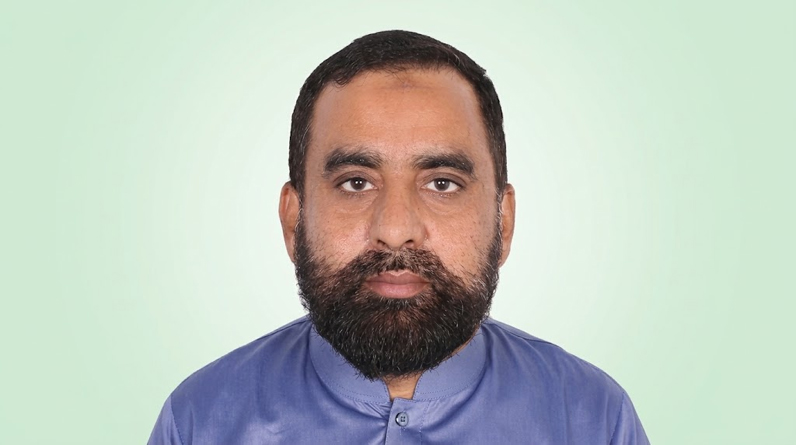
Md. Mukhlesur Rahman: Treating allegation, investigation, trial and punishment as though they were one and the same is contrary to the rule of law and the principles of justice.
Declaring an accused person guilty and publicly portraying them as a criminal before the completion of due process is a grave injustice.
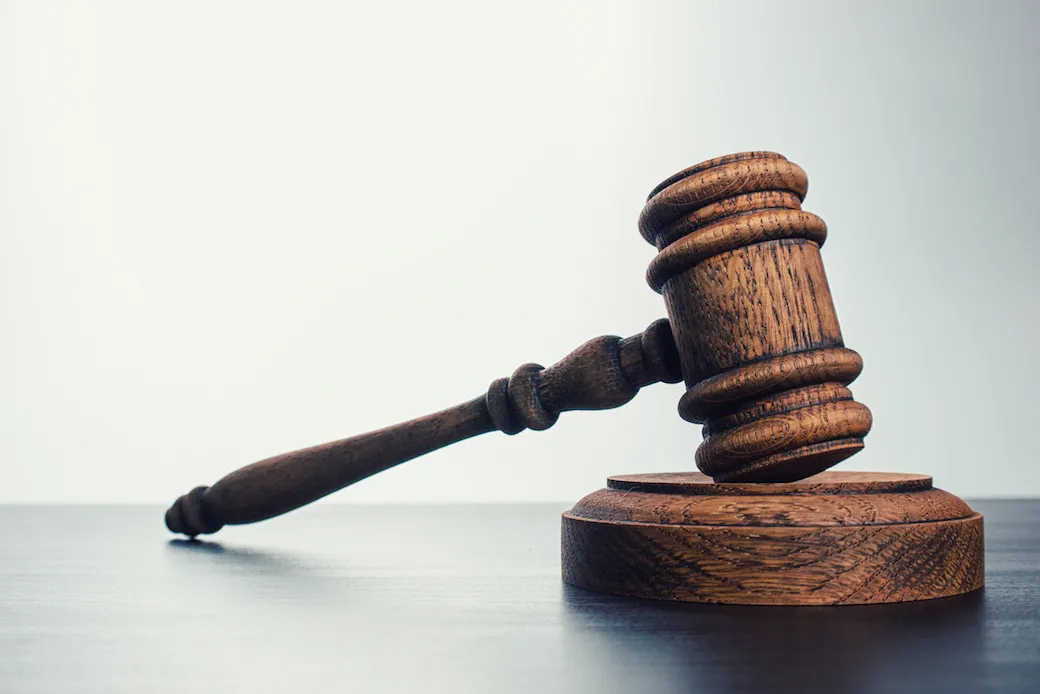
The tendency in our society to treat anyone facing an allegation as a criminal is becoming increasingly alarming. In matters pending before the courts, people are described in social media posts, news reports and political statements as “corrupt,” “thieves,” “murderers” or “criminals.” Yet one of the fundamental principles of law is that every person is presumed innocent until proven guilty in a court of law.
This is not merely a legal formality; it is one of the principal foundations of justice.
An Allegation Is Not the Same as a Crime: An investigation is necessary precisely to determine whether an allegation is true. The purpose of an investigation is to collect evidence for and against the accused, examine testimony and establish what actually happened. The court then considers the relevant facts and evidence, follows the appropriate legal process and determines whether the accused has truly committed an offence.
However, when an accused person is publicly declared guilty before an investigation begins or while it is still underway, the normal course of justice may be disrupted. At times, investigators, courts and public opinion may become influenced by such premature judgments.
A person may need to be held accountable on the basis of an allegation. But declaring that person a criminal merely because an allegation has been made cannot be considered justice.
In the present age, when an allegation against someone spreads on social media, many people accept it without proper verification. Some even demand punishment before a court has delivered its verdict. This tendency not only damages a person’s reputation but can also devastate their family, profession and social standing.
Once someone is publicly established as a “criminal,” even if a court later acquits that person, it can be extremely difficult to repair the damage completely. Defamation, social ostracism, loss of employment and business losses may occur long before the court reaches its decision.
Yet when a person is found innocent, no one takes—or is able to take—full responsibility for the harm already caused.
The Responsibility of the Media Is Even Greater
The role of the media is to provide the public with accurate information, hold those in power accountable and bring matters of public interest to light. However, there is a fundamental distinction between reporting an allegation and declaring someone a criminal. This distinction must be respected.
Statements such as “an allegation has been made,” “a case has been filed” or “an investigation is underway” must never be treated as equivalent to the conclusion that “the person has committed the offence.”
A news report may include the complainant’s statement, but it should also, where appropriate, include the accused person’s response, the status of the investigation and relevant documentary evidence.
Particular care is necessary in the choice of words used in headlines and promotional content. Language that presents an accused person as guilty is not only contrary to journalistic ethics; it may also obstruct the normal course of justice.
In a democratic society, it is normal for alleged offences to be investigated and adjudicated through legal proceedings. But when cases and allegations are used to politically or socially humiliate an individual or group, or to establish them in the public mind as criminals, it poses a serious danger to the rule of law.
If an allegation is true, there must be an investigation and trial. If guilt is established, punishment must be ensured in accordance with the law. But if an allegation is false or cannot be proven, the dignity and rights of the accused must also be protected. In this regard, the possibility of incorporating provisions for punishing those who file false cases may be considered within the existing legal framework.
Justice does not mean merely punishing the guilty; it also means ensuring that innocent people are not unjustly punished.
Balance Is Essential to Establishing the Rule of Law
Protecting the rights of an accused person does not mean preventing the prosecution of crime. Rather, it makes the justice system more credible.
The responsibility of the state is to ensure impartial investigations, conduct prosecutions on the basis of evidence, safeguard the independence of the judiciary and enforce court judgments.
At the same time, citizens must also act responsibly. They should refrain from sharing allegations on social media without verification, making humiliating comments or declaring someone a criminal.
Allegations should be adjudicated in courts, not on social media.
In a civilized society, human dignity, the rule of law and justice are closely interconnected. If a person commits an offence, that person must certainly be tried and punished. But when we publicly portray someone as a criminal before the trial is complete, we ourselves build an impenetrable barrier to the establishment of the rule of law.
The state, political parties, the media and ordinary citizens must all firmly uphold the principle that an accused person is not a criminal; they are a person whose case is pending before the law. The court’s verdict will determine whether they are guilty.
An allegation may be the basis for initiating a trial, but the authority to determine guilt belongs exclusively to the court.
Md. Mukhlesur Rahman
Economist, Social and Political Thinker, and Human Rights Activist.