Diplomatic push also focuses on trade, investment, shipbuilding and climate resilience
Diplomatic Correspondent: Dhaka has sought the Netherlands’ support for extending Bangladesh’s transition period from the Least Developed Country (LDC) category and advancing negotiations for a free trade agreement (FTA) between Bangladesh and the European Union (EU), as the country faces mounting global economic uncertainties.
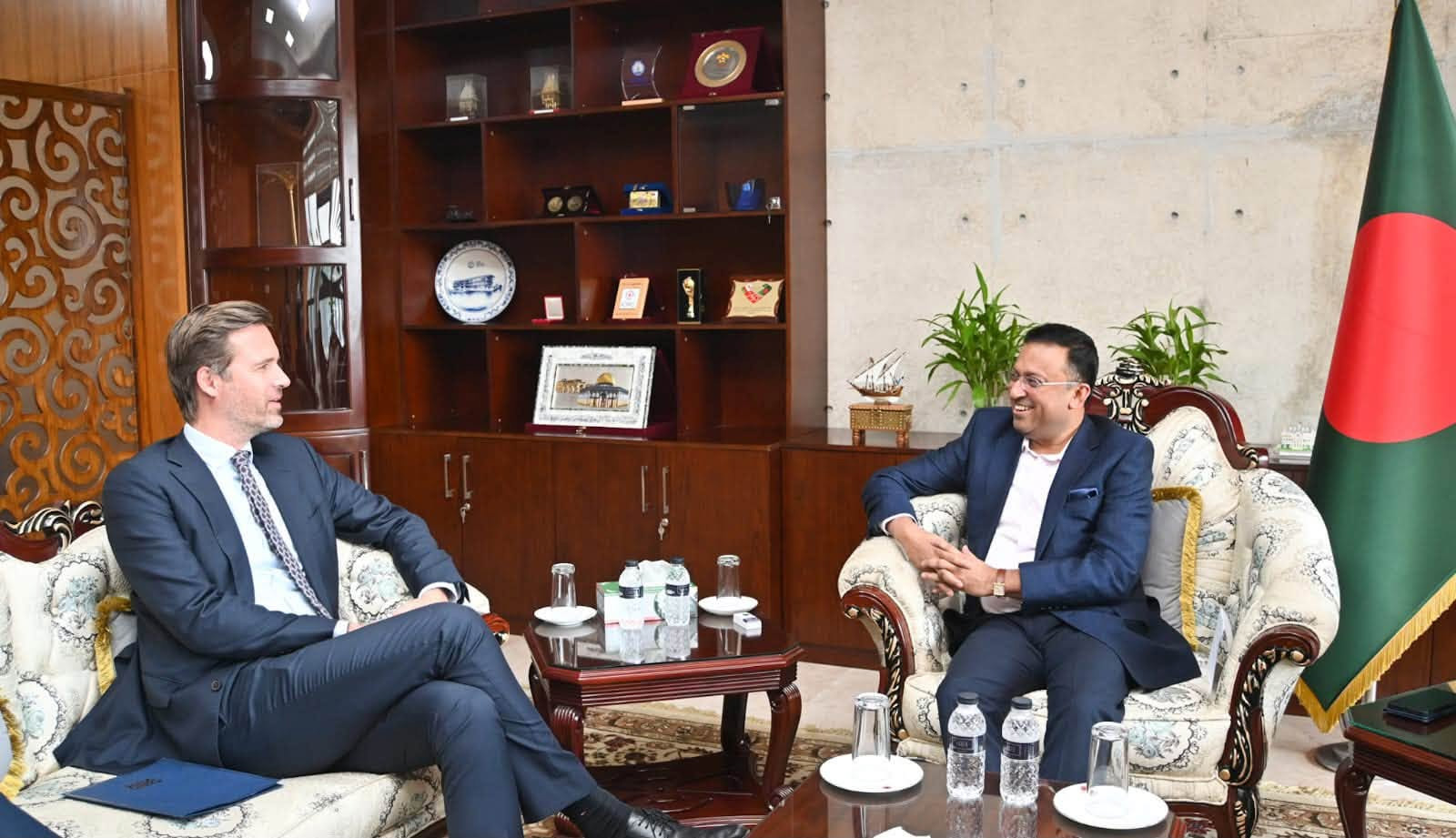
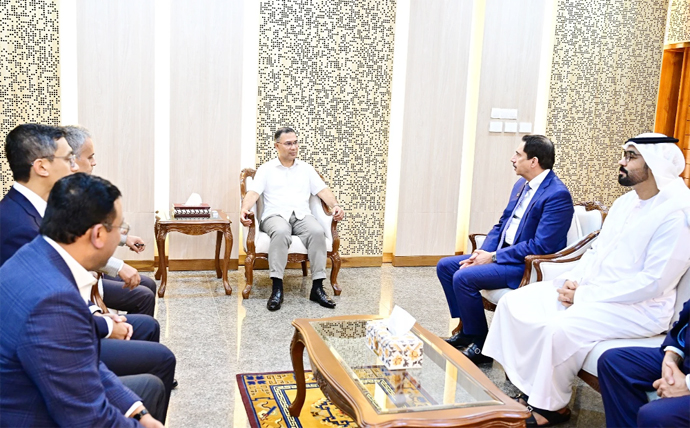
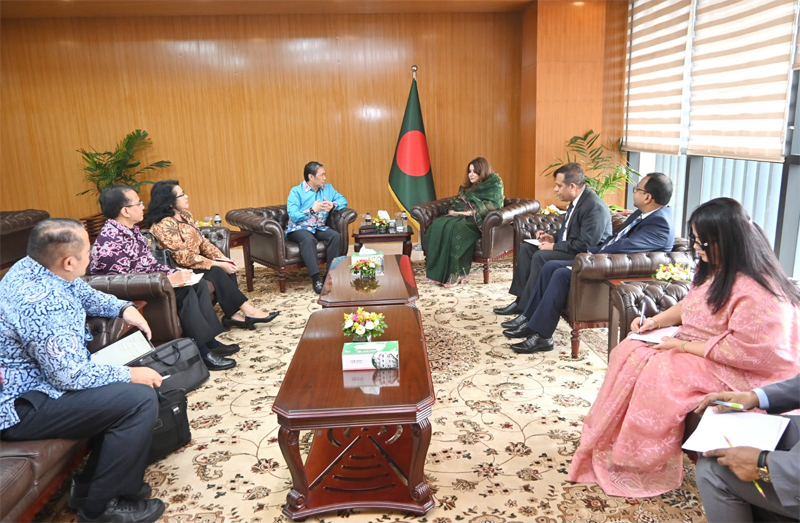
State Minister for Foreign Affairs Humaiun Kobir made the requests during a meeting with Dutch Minister for Foreign Trade and Development Cooperation Sjoerd Sjoerdsma at the Ministry of Foreign Affairs in Dhaka yesterday. Dutch Ambassador to Bangladesh Joris van Bommel was also present, according to a press release issued by the foreign ministry.
The discussions reflect Bangladesh’s efforts to secure international support for a sustainable economic transition while expanding access to global markets, attracting investment and strengthening partnerships with key European countries.
Kobir highlighted the impact of recent global crises on Bangladesh’s economy and stressed the importance of international cooperation to ensure a smooth and sustainable transition from LDC status.
He sought Dutch support for Bangladesh’s request to extend its LDC graduation period, alongside assistance in moving forward with Bangladesh-EU FTA negotiations.
For Bangladesh, the two issues are closely linked to its future trade competitiveness. As the country prepares to graduate from the LDC category, maintaining favourable market access, strengthening export capacity and attracting investment have become increasingly important.
An extended transition period, if secured through the relevant international processes, could provide additional time to prepare businesses and industries for changing trade conditions. Meanwhile, an EU trade agreement could help establish a more predictable framework for economic relations with one of Bangladesh’s major export markets.
Both sides agreed to strengthen bilateral economic cooperation through greater trade, investment and technological partnerships, identifying several sectors with potential for deeper collaboration.
These include shipbuilding, maritime infrastructure, textiles, semiconductors, water management and agricultural supply chains, particularly the development of cold-chain facilities to preserve and transport agricultural products.
The Dutch minister highlighted the planned visit of a maritime trade mission to Bangladesh, as well as prospective visits focusing on textiles and water-related issues. These initiatives could help connect businesses and technical experts from the two countries and identify opportunities for practical cooperation.
Sjoerdsma also expressed interest in strengthening the strategic partnership between Bangladesh and the Netherlands over the next 50 years, signalling an ambition to build a long-term relationship extending beyond conventional trade and development cooperation.
Kobir underscored the potential for collaboration in shipbuilding and semiconductors and sought continued Dutch support for Bangladesh’s apparel industry, which remains a major pillar of the country’s export economy.
The meeting also reviewed longstanding cooperation in water management, an area in which the Netherlands has considerable experience in managing low-lying delta regions, flood risks and water-related challenges.
Both sides placed particular emphasis on technical cooperation in delta management, canal excavation and climate adaptation.
Kobir said water management was a priority for Prime Minister Tarique Rahman, especially as Bangladesh confronts the growing effects of climate change.
For a country shaped by an extensive river network and vulnerable to floods, river erosion, salinity and other climate-related risks, improved water management is crucial not only for protecting lives and livelihoods but also for supporting agriculture, infrastructure and sustainable economic growth.
The discussions offered scope for Bangladesh to draw on Dutch expertise in water-related planning and technology while exploring cooperation tailored to the country’s development needs.
The two sides also discussed the Rohingya crisis, emphasising the need for sustained international engagement to find a durable solution. The issue remains a major humanitarian and diplomatic concern for Bangladesh, which continues to host a large population of displaced Rohingya people from Myanmar.
Kobir also highlighted the prime minister’s aspiration for quality governance, placing governance alongside economic cooperation and development as an important element of Bangladesh’s broader national priorities.
Migration and United Nations reforms were also discussed, reflecting shared interests in addressing international challenges through multilateral cooperation.
The meeting further covered opportunities to strengthen coordination in international forums, including in connection with Bangladesh’s presidency of the 81st session of the United Nations General Assembly.
Both countries saw an opportunity to deepen bilateral engagement following the formation of new governments in Bangladesh and the Netherlands in February 2026.
The discussions indicate that Dhaka is seeking to broaden its partnership with the Netherlands across trade, investment, technology, climate resilience and diplomacy at a time when Bangladesh is preparing for a significant change in its international trade status.
The immediate challenge will be to translate the discussions into concrete cooperation, particularly on LDC graduation, access to European markets, industrial investment and water management.
For Bangladesh, Dutch support could be valuable in navigating the transition ahead, while closer economic ties could create opportunities for businesses, strengthen industrial capacity and contribute to more resilient and sustainable development.