×
Home National Politics Business Bangladesh International Sports Entertainment Law & Justice More News Capital News Health Features Business Icon Technology Media Features Economy Education Literature Quran & Hadish Photo Gallery Editorial Religion Tours & Travels Tourism Guide Editors Corner Campus Youth Popular Organizations Country Wide Life Style Jobs Prism Notice History & Culture Messages Op-ed Wildlife Activities Foreign relation Accident Environment Asia Videoes Analysis Energy Book Reviews Literature Others KSA Arab World Cricket Football More Banking Corporate Global economy Real Estate Entrepreneur Start-up Telecom Summit Travel Art and Culture Food Book Fourth Estate View Letters to Editor Political Icon Diplomat Scholarship Career Job

Tuesday 28th of April 2026 E-paper
* New Zealand reports possible North Korea sanctions breaches at sea   * Bangladesh urges global action on information integrity at UN forum   * PM announces LPG card scheme for women   * PM opens Ulashi canal re-excavation prog in Jashore   * Lightning strikes kill 14 across country   * Alleged gunman was 31-year-old California man   * Shots fired at correspondents` dinner, Trump evacuated   * Iran seizes vessel in Strait of Hormuz, defying US naval superiority   * PM proposes 10-member joint committee to tackle energy crisis   * Load shedding to be introduced in Dhaka on trial basis: State Minister  
   Op-ed
  Crisis in Secondary Education: The Need for a Separate Directorate

Dr. Dewan Azad Rahman: Across the world, quality education is increasingly recognized as essential for improving living standards and ensuring a better quality of life. Within any national education system, secondary education holds a particularly crucial place. In many developed countries, this stage of education has been made compulsory.

The objectives of secondary education go beyond extending and consolidating the foundational skills acquired at the primary level. It also plays a vital role in preparing a skilled workforce to drive economic growth. A vast segment of the population, once educated at this stage, becomes actively involved in socio-economic activities. As such, the demand for secondary education in Bangladesh is rising steadily. Unfortunately, the expected improvement in quality has not kept pace with this growing demand.

Key challenges persist in several areas: student assessment, teacher recruitment and training, school organization and management, educational supervision, and the broader administration of the system. Textbooks—an essential tool at this level—are still being published with errors and inconsistencies, undermining the learning process. In addition, there is little initiative to provide engaging and high-quality teaching materials, while many other countries have already begun using advanced educational aids to enhance learning.

Bangladesh has seen notable success in primary education following the establishment of a separate Directorate of Primary Education as part of decentralization efforts. Meanwhile, secondary education has expanded in scope: scholarships have boosted female enrollment, opportunities in science education have improved, and training for teachers has been expanded. As a result, the number of secondary-level students has grown significantly, though the number of institutions has not increased proportionately.

This mismatch has created serious management challenges. The Directorate of Secondary and Higher Education exists, but it struggles to effectively oversee the vast number of schools and colleges across the country. At present, there are nine regional offices, 64 district education offices, 516 upazila-level secondary education offices, 686 government colleges, 706 government secondary schools, and 104 teacher training colleges. BANBEIS data from 2014 shows that the total number of secondary-level institutions stood at 21,232, including 1,514 colleges. Given these numbers, ensuring adequate services for institutions, teachers, administrators, staff, and students is proving nearly impossible.

Compounding this, many government secondary schools are led by acting headmasters or assistant headmasters, while district education offices often operate under temporary leadership. In some cases, officers without the necessary expertise are appointed on deputation, resulting in weak and inefficient administration. This lack of proper leadership means secondary education lacks the momentum and progress observed in primary education.

For these reasons, every education commission report since independence has recommended the creation of a separate Directorate of Secondary Education. The 2003 National Education Commission, led by Professor Moniruzzaman Miah, was particularly emphatic in its call for an independent directorate to manage this sector effectively.

The Public Administration Reform Commission, in its January 2025 report, stated unequivocally:

> “A separate Directorate of Secondary Education is necessary. With so many institutions under its purview, the quality of education is steadily declining. Establishing a separate directorate is therefore urgent.”

Further support came from a national workshop organized by the Secondary and Higher Education Division, where the BIAM Foundation’s Research and Advisory Services Center recommended restructuring the education administration by splitting the Directorate of Secondary and Higher Education into two independent bodies.

Momentum has continued to build. Following a decision at the Secretaries’ Meeting on 4 September last year, each ministry and division was instructed to prepare and implement reform plans. In line with this directive, the Secondary and Higher Education Division submitted its time-bound reform plan on 28 November 2024, which included the establishment of a separate Directorate of Secondary Education by December 2025.

It is therefore clear that to deliver modern, high-quality secondary education, there is no alternative to forming a dedicated directorate. Encouragingly, the government has already approved this initiative in line with the Chief Adviser’s marching orders, the recommendations of the Public Administration Reform Commission, and the Moniruzzaman Commission’s earlier report.

However, a vested interest group is attempting to sabotage this progressive step and paint the government as ineffective. This conspiracy is both alarming and deeply suspicious.

For the future of the nation, effective implementation of a separate Directorate of Secondary Education is essential to ensure quality education at this vital level.

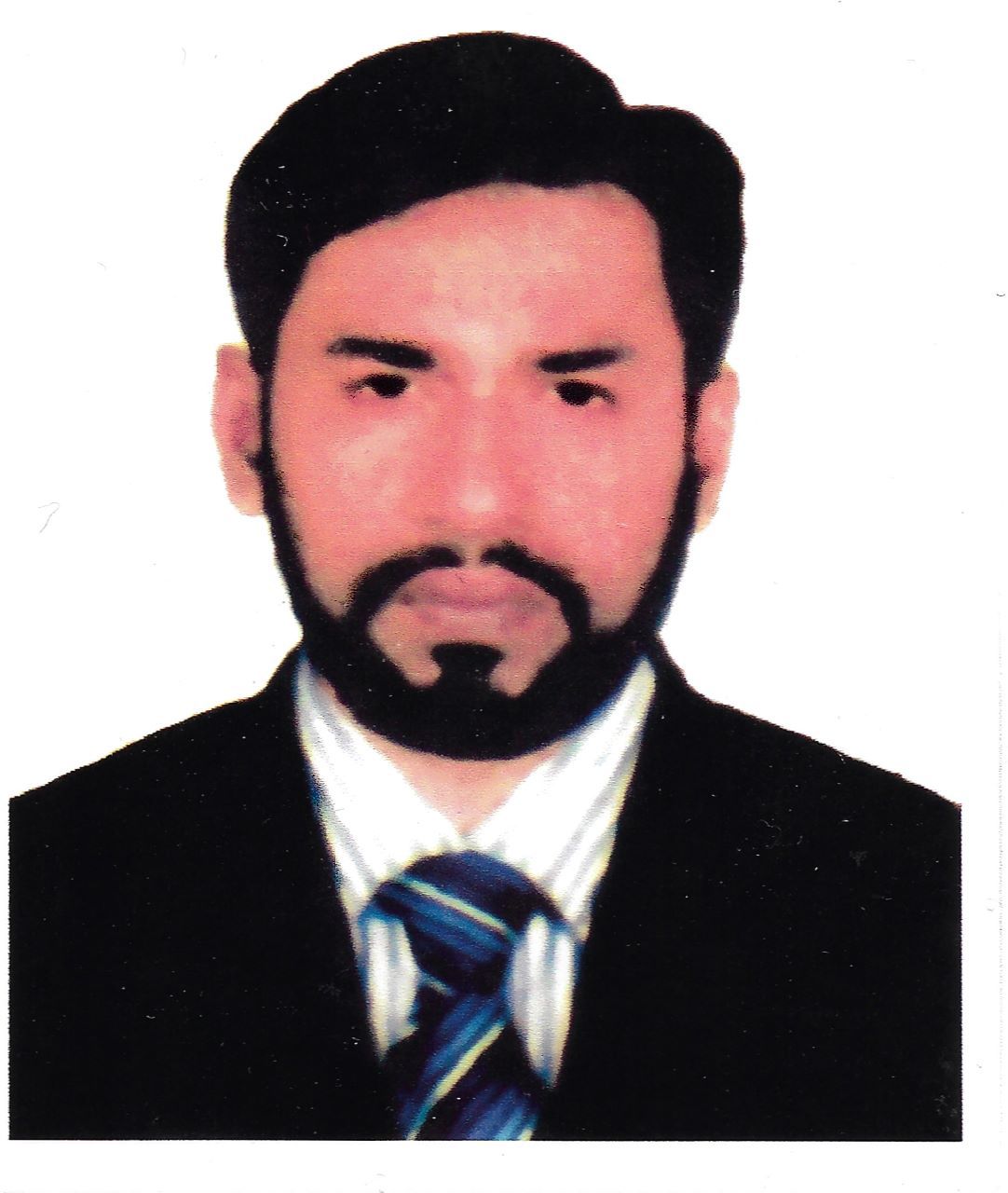
Author:  Dr. Dewan Azad Rahman is an eminent essayist and researcher.


Share Button


Fuel Prices Surge, Markets in Turmoil: Inflation Strangles Everyday Life
.............................................................................................
The Pakistani Era of East Bengal & the Lost Opportunities of the Bengali Muslims
.............................................................................................
From Shiab Abi Talib to today: A long history of economic sanctions
.............................................................................................
Zinnat Ara Ifa: A Silent Force for Humanity
.............................................................................................
Hold Friends and Leave Foes
.............................................................................................
Low-profit policies are essential for local markets amid global crisis
.............................................................................................
Venice of the East Now a City at Risk: Silent Subsidence Threatens Barishal, Immediate Government Action Needed
.............................................................................................
Unprovoked Aggression Sparks Regional Crisis: Iran Responds to US-Israeli Assault
.............................................................................................
Iran War Sends Shockwaves Through Global Agriculture
.............................................................................................
Fighting the Unhinged US Bully: Is It the Duty of Iran Only?
.............................................................................................
Iran–US–Israel Conflict: Implications of the Energy Crisis in Bangladesh and Pathways for Solutions
.............................................................................................
Failure in English Proficiency: Depth of the Crisis, Historical Context, and a Long-Term Path Forward
.............................................................................................
The US War of War Crimes and Trump’s Empty Cry
.............................................................................................
The US Mission of Genocide and Destruction in Iran
.............................................................................................
The State of Occupational Health and Safety in Bangladesh
.............................................................................................
Merit vs. Connections: The Invisible Politics of Workplace Promotions
.............................................................................................
The US Shows its Power of Extreme Barbarity
.............................................................................................
The Iranians are not Weaker than the Afghans: The Hope for the US Victory is Fading Quickly
.............................................................................................
The Iranians are not Weaker than the Afghans: The Hope for the US Victory is Fading Quickly
.............................................................................................
The Urgent Need for Restructuring the Geopolitical Map of the Ummah
.............................................................................................
Pakistan’s Stance on Afghanistan: A Principled Approach Amid Rising Threats
.............................................................................................
Benefits of “Yes” vote in Referendum
.............................................................................................
Strategic Parliamentary Accommodation in Bangladesh
.............................................................................................
Kashmir Solidarity Day — Pakistan’s Voice for Justice, Peace and Human Rights
.............................................................................................
Social Reformer Nawab Sir Salimullah
.............................................................................................
Sovereignty Hanging on Barbed Wire: The Felani Killing, Water Disputes, and the Long Shadow of Hegemony
.............................................................................................
From Plassey to July: An Unbroken Journey of Shattering Chains
.............................................................................................
Differences of Opinion Are Inevitable, but National Unity Is Bangladesh
.............................................................................................
Begum Khaleda Zia’s Rise: A Journey from Domestic Life to Democratic Resistance
.............................................................................................
Attacks on Christian Minorities in India During Christmas 2025- A rowing Human Rights Concern
.............................................................................................
Sheikh Numan Reader calls for humanitarian vision from industrialists in fundraising for the Readford Foundation`s social welfare fund
.............................................................................................
Anti-Bangladesh Narratives, Attacks on Diplomatic Missions, and the Imperative of National Awareness
.............................................................................................
Sharif Osman Bin Hadi Killing: Massive Funeral Reflects Public Anger Against Indian Hegemony
.............................................................................................
Modi`s Image Crisis and the Challenge to Bangladesh`s Sovereignty
.............................................................................................
Islam, Human Dignity and LGBTQ Rights: New Questions of Justice, Diversity and Peace in the Upcoming Elections in Bangladesh
.............................................................................................
Women should be the bearer of the look, in 2025
.............................................................................................
Deconstructing the Razakar Narrative: Jamaat-e-Islami and the Politics of 1971
.............................................................................................
The Forgotten Genocide That Still Haunts Kashmir
.............................................................................................
Kashmir: The Worlds Unfinished Promise
.............................................................................................
The Promise Still Owed to Kashmir
.............................................................................................
Religious Education, Human Values, and Fundamental Human Rights of Children in Brothels
.............................................................................................
Muraqabah in the Perspective of Public Health and Global Health
.............................................................................................
Saint Radiant with the Light of Humanity Shah Sufi Khwaja Faizuddin
.............................................................................................
Analyst Tajusl Islams Opinions: Authorities should refrain from burning down valuable fishing nets
.............................................................................................
World Teachers Day Expectation: An Independent Directorate for Secondary Education
.............................................................................................
BRAC and BRAC University: My Journey for Human Welfare
.............................................................................................
Crisis in Secondary Education: The Need for a Separate Directorate
.............................................................................................
The Importance of Marital Intimacy in the Light of Psychology, Sexology, and Public Health
.............................................................................................
A New Dawn in PakistanBangladesh Relations
.............................................................................................
The History of a Society`s in Search of Social Security and Peace
.............................................................................................
Chief Advisor: Md. Tajul Islam,
Editor & Publisher Fatima Islam Tania and Printed from Bismillah Printing Press, 219, Fakirapul, Dhaka-1000
Editorial Office: 219, Fakirapul (1st Floor), Dhaka-1000.
Phone: 02-41070996, Mobile: 01720090514, E-mail: muslimtimes19@gmail.com
2022 @ All Right Reserved By www.themuslimtimes-bd.com