×
Home National Politics Business Bangladesh International Sports Entertainment Law & Justice More News Capital News Health Features Business Icon Technology Media Features Economy Education Literature Quran & Hadish Photo Gallery Editorial Religion Tours & Travels Tourism Guide Editors Corner Campus Youth Popular Organizations Country Wide Life Style Jobs Prism Notice History & Culture Messages Op-ed Wildlife Activities Foreign relation Accident Environment Asia Videoes Analysis Energy Book Reviews Literature Others KSA Arab World Cricket Football More Banking Corporate Global economy Real Estate Entrepreneur Start-up Telecom Summit Travel Art and Culture Food Book Fourth Estate View Letters to Editor Political Icon Diplomat Scholarship Career Job

Tuesday 28th of April 2026 E-paper
* New Zealand reports possible North Korea sanctions breaches at sea   * Bangladesh urges global action on information integrity at UN forum   * PM announces LPG card scheme for women   * PM opens Ulashi canal re-excavation prog in Jashore   * Lightning strikes kill 14 across country   * Alleged gunman was 31-year-old California man   * Shots fired at correspondents` dinner, Trump evacuated   * Iran seizes vessel in Strait of Hormuz, defying US naval superiority   * PM proposes 10-member joint committee to tackle energy crisis   * Load shedding to be introduced in Dhaka on trial basis: State Minister  
   Op-ed
  BRAC and BRAC University: My Journey for Human Welfare
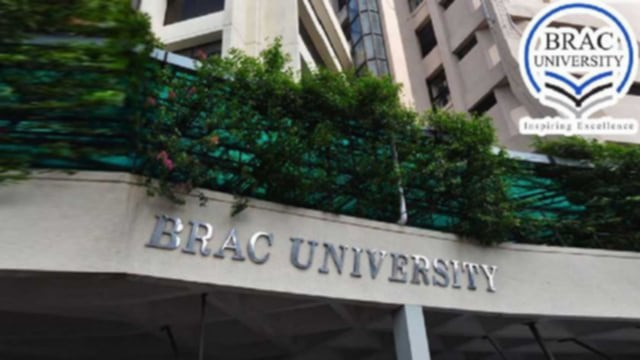
Khwaja Masum Bellah Kausarey: The educational and professional journey of an individual is largely shaped by opportunities, guidance, and lived experiences. In my life’s path, BRAC and BRAC University stand as milestone institutions. Here, I not only received the initiation into my career but also embraced humanitarian values, research ethics, and first-hand experience of a globally recognized education system. In this essay, I will analyze, through autobiographical reflections, BRAC’s contribution, the unique leadership of Sir Fazle Hasan Abed, the inspiration of Dr. Muhammad Yunus, and the knowledge I gained in the fields of education and research, supported by information and research-based insights.
Beginning of My Career at BRAC: My professional journey began on April 7, 2007, when I joined BRAC as an Assistant Researcher. This was not just a job; rather, it was the beginning of a lifelong commitment to human welfare. Working as a researcher allowed me to connect directly with the lives of ordinary people at the grassroots level. I personally witnessed the harsh realities of poverty, malnutrition, lack of healthcare, and inadequate education.
BRAC’s Research and Evaluation Division is not confined to mere data collection but directly influences social policies and development programs. By participating in research, I realized that every single piece of data carries the potential to bring positive change in people’s lives. During my study of EPDC in the English Department at BRAC University, I was deeply moved by the humanistic behavior and moral values demonstrated by the teachers toward the students. Sir Fazle Hasan Abed: A Symbol of Humanitarian Leadership: Through my work at BRAC, I had the privilege to closely observe Sir Fazle Hasan Abed and gain insight into his extraordinary vision and endeavors. His humility, modesty, and human values are truly indescribable in words. He was not just an administrator but a visionary leader who translated his dreams into reality. Founded in 1972 after Bangladesh’s independence, BRAC is now the largest NGO in the world, with its programs spanning across education, health, microfinance, nutrition, and women’s empowerment—touching nearly every development sector. The characteristics of Sir Fazle Hasan Abed’s leadership included:
1. Human-centric vision: He always emphasized that people must be at the center of development. 2. Evidence-based programs: BRAC always designed its programs based on grassroots-level data and research. 3. Internationalization: BRAC’s operations expanded from Asia to Africa. From him, I learned that leadership is not just about giving instructions but about instilling hope within people and creating opportunities for them to realize their potential.
Dr. Muhammad Yunus’ Nobel Prize and Inspiration: When Professor Dr. Muhammad Yunus received the Nobel Peace Prize in 2006, that night was unforgettable for me. I could not sleep, as it felt like this recognition was not for a single person but an extraordinary historical achievement for the entire nation of Bangladesh. Dr. Yunus’ Grameen Bank microcredit model opened a new horizon in poverty alleviation. His success taught me to see that the development of the poor is not merely a matter of sympathy, but rather a process that can be sustained through research, planning, and innovation. Both Sir Fazle Hasan Abed and Professor Dr. Muhammad Yunus taught me that life becomes truly meaningful only when it is devoted to the welfare of humanity. The Bright Phase of My Education: My educational journey was a fulfilling one. At the university, the teachers I came across not only imparted knowledge but also nurtured independent thinking and research-oriented attitudes. Among them: Professor Dr. Mustafizur Rahman–instilled a practical perspective on economics and development. Professor Dr. A.B.M. Siddiqur Rahman – combined Islamic creed (Ulumuddeen-Aqaid) with modern approaches to education research and policy. Professor Dr. Mostafa Kamal, Professor Dr. Abul Kalam Patwari – brought a scientific approach to Islamic criminal law, food, and nutrition sciences. Professor Dr. Abdur Rahman Anwari, Professor Dr. Idris Ali – emphasized comparative Tafseer-based knowledge, political science, sociology, and moral values. Professor Dr. Afazuddin, Dr. Waliullah, Professor Dr. Abu Zafar Khan – advanced applied research and international educational standards.
Their contributions shaped my research-oriented mindset and provided me opportunities for deep reflection on public health, nutrition, and development policies.
International Experiences at Work: While working at BRAC and BRAC University, I had the privilege of collaborating with colleagues and international researchers who were equally inspiring. Dr. Thiymothy Grant Evants–a global health expert specializing in health policy and system strengthening, under whose supervision I had one of the most unforgettable learning experiences of my career. Dr. McKenzie, Dr. Akuto Osa – international development researchers who broadened my global perspectives. Dr. Ziauddin Hyder, Dr. Mushtaq Raza Chowdhury – eminent Bangladeshi names in public health leadership. Dr. Sadia Afroze Chowdhury, Dr. Sabina Fayeze Rashid, Dr. Sajedur Rahman Shawon – BRAC University researchers who engaged me with interdisciplinary management and research. These experiences taught me that knowledge and research are not confined to academic classrooms but can bring tangible change in people’s lives at the grassroots level.
My Key Research and Work Experience Spanned Across: 1.Public Health: BRAC’s healthcare model demonstrated how effective health services can be delivered at low cost. I witnessed firsthand how health workers reached rural communities with basic medical care. 2.Food and Nutrition: Malnutrition remains one of Bangladesh’s biggest challenges. I worked on initiatives like oral saline, vitamin A campaigns, and nutrition awareness. 3.Human Resource Management: I learned how vital effective HR management is in a large NGO. Staff training and development proved to be the cornerstone of success. I gained practical training in how employee-friendly management should operate. 4.Water, Sanitation, and Hygiene (WASH): BRAC’s safe water and sanitation projects transformed the lives of the poor. 5.Food Security and Nutrition Systems: Integrating agricultural innovation with nutrition education was one of BRAC’s landmark achievements, and I was fortunate to contribute to it. 6.Masters in Public Health (MPH), Midwifery, and Nursing Departments: Being directly involved with these academic programs enriched me both academically and professionally. This opportunity provided knowledge, skills, and invaluable practical experiences something I take great pride in. 7.Education and Research: BRAC’s non-formal education model gained global recognition. As a researcher, I contributed to projects focused on improving the quality of education programs. Final Reflections: The greatest achievement of my life has been the opportunity to use knowledge and experience for the welfare of humanity. BRAC and BRAC University have taught me that the essence of development lies in humanitarian values. Research and education are not merely for knowledge acquisition, but tools for creating positive social change. International experiences add new perspectives to solving local problems. All of my achievements and experiences are indebted to BRAC and BRAC University. The career I began in 2007 did not only make me a researcher but shaped me into a worker dedicated to human welfare. The philosophies of Sir Fazle Hasan Abed and Dr. Muhammad Yunus constantly remind me that an individual’s success becomes truly meaningful only when it illuminates the lives of others. The integration of education, research, and professional experiences stands as the true wealth of my life.
 
Author: Senior Journalist, Executive Director of a non-government research and development organization, with long professional experience in the public health sector at BRAC University.


Share Button


Fuel Prices Surge, Markets in Turmoil: Inflation Strangles Everyday Life
.............................................................................................
The Pakistani Era of East Bengal & the Lost Opportunities of the Bengali Muslims
.............................................................................................
From Shiab Abi Talib to today: A long history of economic sanctions
.............................................................................................
Zinnat Ara Ifa: A Silent Force for Humanity
.............................................................................................
Hold Friends and Leave Foes
.............................................................................................
Low-profit policies are essential for local markets amid global crisis
.............................................................................................
Venice of the East Now a City at Risk: Silent Subsidence Threatens Barishal, Immediate Government Action Needed
.............................................................................................
Unprovoked Aggression Sparks Regional Crisis: Iran Responds to US-Israeli Assault
.............................................................................................
Iran War Sends Shockwaves Through Global Agriculture
.............................................................................................
Fighting the Unhinged US Bully: Is It the Duty of Iran Only?
.............................................................................................
Iran–US–Israel Conflict: Implications of the Energy Crisis in Bangladesh and Pathways for Solutions
.............................................................................................
Failure in English Proficiency: Depth of the Crisis, Historical Context, and a Long-Term Path Forward
.............................................................................................
The US War of War Crimes and Trump’s Empty Cry
.............................................................................................
The US Mission of Genocide and Destruction in Iran
.............................................................................................
The State of Occupational Health and Safety in Bangladesh
.............................................................................................
Merit vs. Connections: The Invisible Politics of Workplace Promotions
.............................................................................................
The US Shows its Power of Extreme Barbarity
.............................................................................................
The Iranians are not Weaker than the Afghans: The Hope for the US Victory is Fading Quickly
.............................................................................................
The Iranians are not Weaker than the Afghans: The Hope for the US Victory is Fading Quickly
.............................................................................................
The Urgent Need for Restructuring the Geopolitical Map of the Ummah
.............................................................................................
Pakistan’s Stance on Afghanistan: A Principled Approach Amid Rising Threats
.............................................................................................
Benefits of “Yes” vote in Referendum
.............................................................................................
Strategic Parliamentary Accommodation in Bangladesh
.............................................................................................
Kashmir Solidarity Day — Pakistan’s Voice for Justice, Peace and Human Rights
.............................................................................................
Social Reformer Nawab Sir Salimullah
.............................................................................................
Sovereignty Hanging on Barbed Wire: The Felani Killing, Water Disputes, and the Long Shadow of Hegemony
.............................................................................................
From Plassey to July: An Unbroken Journey of Shattering Chains
.............................................................................................
Differences of Opinion Are Inevitable, but National Unity Is Bangladesh
.............................................................................................
Begum Khaleda Zia’s Rise: A Journey from Domestic Life to Democratic Resistance
.............................................................................................
Attacks on Christian Minorities in India During Christmas 2025- A rowing Human Rights Concern
.............................................................................................
Sheikh Numan Reader calls for humanitarian vision from industrialists in fundraising for the Readford Foundation`s social welfare fund
.............................................................................................
Anti-Bangladesh Narratives, Attacks on Diplomatic Missions, and the Imperative of National Awareness
.............................................................................................
Sharif Osman Bin Hadi Killing: Massive Funeral Reflects Public Anger Against Indian Hegemony
.............................................................................................
Modi`s Image Crisis and the Challenge to Bangladesh`s Sovereignty
.............................................................................................
Islam, Human Dignity and LGBTQ Rights: New Questions of Justice, Diversity and Peace in the Upcoming Elections in Bangladesh
.............................................................................................
Women should be the bearer of the look, in 2025
.............................................................................................
Deconstructing the Razakar Narrative: Jamaat-e-Islami and the Politics of 1971
.............................................................................................
The Forgotten Genocide That Still Haunts Kashmir
.............................................................................................
Kashmir: The Worlds Unfinished Promise
.............................................................................................
The Promise Still Owed to Kashmir
.............................................................................................
Religious Education, Human Values, and Fundamental Human Rights of Children in Brothels
.............................................................................................
Muraqabah in the Perspective of Public Health and Global Health
.............................................................................................
Saint Radiant with the Light of Humanity Shah Sufi Khwaja Faizuddin
.............................................................................................
Analyst Tajusl Islams Opinions: Authorities should refrain from burning down valuable fishing nets
.............................................................................................
World Teachers Day Expectation: An Independent Directorate for Secondary Education
.............................................................................................
BRAC and BRAC University: My Journey for Human Welfare
.............................................................................................
Crisis in Secondary Education: The Need for a Separate Directorate
.............................................................................................
The Importance of Marital Intimacy in the Light of Psychology, Sexology, and Public Health
.............................................................................................
A New Dawn in PakistanBangladesh Relations
.............................................................................................
The History of a Society`s in Search of Social Security and Peace
.............................................................................................
Chief Advisor: Md. Tajul Islam,
Editor & Publisher Fatima Islam Tania and Printed from Bismillah Printing Press, 219, Fakirapul, Dhaka-1000
Editorial Office: 219, Fakirapul (1st Floor), Dhaka-1000.
Phone: 02-41070996, Mobile: 01720090514, E-mail: muslimtimes19@gmail.com
2022 @ All Right Reserved By www.themuslimtimes-bd.com