×
Home National Politics Business Bangladesh International Sports Entertainment Law & Justice More News Capital News Health Features Business Icon Technology Media Features Economy Education Literature Quran & Hadish Photo Gallery Editorial Religion Tours & Travels Tourism Guide Editors Corner Campus Youth Popular Organizations Country Wide Life Style Jobs Prism Notice History & Culture Messages Op-ed Wildlife Activities Foreign relation Accident Environment Asia Videoes Analysis Energy Book Reviews Literature Others KSA Arab World Cricket Football More Banking Corporate Global economy Real Estate Entrepreneur Start-up Telecom Summit Travel Art and Culture Food Book Fourth Estate View Letters to Editor Political Icon Diplomat Scholarship Career Job

Sunday 14th of June 2026 E-paper
* চট্টগ্রাম-কক্সবাজার মহাসড়ক দ্রুত ৬ লেনে উন্নীত করা হবে : প্রধানমন্ত্রী   * Thai princess dies aged 47 after three years in hospital: palace   * Trump pulls back on Iran strike threats amid signs of diplomatic progress   * Hwang in-beom inspires South Korea’s 2-1 comeback victory over the Czech Republic   * PM unveils commemorative stamp marking FIFA World Cup   * `Central theme of this year`s budget is inclusion of every citizen`   * Proposed budget approved in Cabinet meeting   * US launches strikes on Iran after Apache helicopter shot down   * Iran says Gulf nations have `responsibility` to halt US, Israeli strikes   * Govt to procure 10,000 MT lentils to stabilize market prices  
   Op-ed
  Kashmir Solidarity Day — Pakistan’s Voice for Justice, Peace and Human Rights

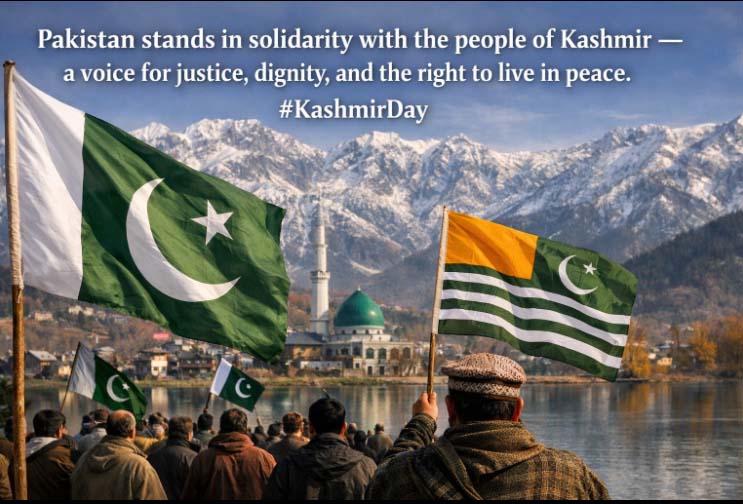
By Amna Samar: Kashmir Solidarity Day is observed every year on 5th February across Pakistan to reaffirm unwavering support for the people of Jammu and Kashmir in their struggle for justice, dignity, and self-determination. It is a day of national unity, reflection, and renewed commitment to the Kashmiri cause. Rallies, seminars, walks, prayers, and conferences are held nationwide, while Pakistanis abroad also organise events to raise global awareness. The purpose is not only to express moral solidarity but also to remind the international community that the Jammu and Kashmir dispute remains unresolved and continues to affect peace and stability in South Asia.
Pakistan’s narrative on Kashmir is firmly rooted in international law and United Nations Security Council resolutions that recognise the right of the Kashmiri people to decide their political future through a free and impartial process. Pakistan views Kashmir as a humanitarian and human rights issue involving the right to self-determination of millions of people living under prolonged conflict and uncertainty. On Kashmir Solidarity Day, Pakistan’s leadership reiterates its diplomatic, political, and moral support for Kashmiris and urges the world to move beyond statements toward practical steps for justice and peace.
The human rights situation in Indian Illegally Occupied Jammu and Kashmir (IIOJK) remains deeply concerning. International human rights organisations and United Nations bodies have documented excessive use of force, extrajudicial killings, enforced disappearances, arbitrary detentions, restrictions on media and internet access, and limits on peaceful assembly. Since the revocation of Jammu and Kashmir’s special status in August 2019, Kashmiris have faced increased militarisation, prolonged curfews, and administrative changes that have raised serious concerns about political representation, demographic balance, and cultural identity. These conditions have disrupted daily life, education, healthcare, livelihoods, and mental well-being, particularly affecting women, children, and the elderly.
Pakistan’s foreign policy on Kashmir emphasises peaceful resolution through dialogue, respect for international law, and implementation of relevant UN resolutions. Islamabad consistently raises the issue at international forums such as the United Nations, the Organisation of Islamic Cooperation, and other multilateral platforms, urging the global community to recognise the urgency of addressing this decades-old dispute. Pakistan believes lasting peace in South Asia is not possible without a just settlement of Kashmir, as unresolved tensions continue to threaten regional stability and economic development.
International organisations and the global community can play a constructive role in resolving the Kashmir issue. The United Nations Human Rights Council, the Office of the High Commissioner for Human Rights, and other relevant bodies can strengthen independent monitoring mechanisms and seek access to assess ground realities. International NGOs, media institutions, and academic forums can document abuses, amplify Kashmiri voices, and ensure sustained global attention on the humanitarian consequences of the conflict. Transparent reporting and fact-finding missions can help build pressure for accountability and reform.
Diplomatic engagement remains another critical avenue. Influential states, regional blocs, and multilateral institutions can encourage meaningful dialogue between Pakistan and India, promote confidence-building measures, and urge respect for international humanitarian and human rights law. Political, economic, and diplomatic leverage can be used to persuade India to lift restrictions, restore civil liberties, release political detainees, and allow humanitarian access. Constructive diplomacy can also create space for inclusive discussions that involve Kashmiri representatives, whose aspirations must remain central to any durable solution.
Civil society worldwide can further contribute through advocacy, awareness campaigns, academic research, legal action, and peaceful solidarity movements. Universities, think tanks, journalists, and human rights defenders can highlight both the historical context and present-day realities of Kashmir, helping global audiences understand that the issue is not merely geopolitical but deeply human. The Kashmiri diaspora, in particular, can engage policymakers, organise peaceful demonstrations, and ensure that Kashmir remains visible on international agendas.
Kashmir Solidarity Day ultimately serves as a reminder that the dispute is about the fundamental rights, dignity, and future of the Kashmiri people. A just and lasting peace requires respect for human rights, sincere dialogue, and fulfilment of international commitments regarding self-determination. Pakistan maintains that only a peaceful, negotiated settlement reflecting the will of the Kashmiri people can bring lasting stability to the region and relief to millions who have suffered for decades. The day calls upon the international community to move from concern to action, from rhetoric to results, and from silence to solidarity, ensuring that justice, peace, and human dignity prevail in Kashmir and across South Asia.


Share Button


A Good Budget Must Be Matched by Effective Implementation
.............................................................................................
The Unlimited Accumulation of Wealth by a Few Leads to the Poverty of Many
.............................................................................................
The Tears of Farmers Under the Grip of Middlemen: How Much Longer Must Market Reform Wait?
.............................................................................................
A Diplomatic Path to Resolving the Middle East Conflict
.............................................................................................
Bangladesh’s New Achievement on the World Stage: Honor Accompanied by Great Responsibility
.............................................................................................
No politics around Islami Bank; Let the focus be on reform
.............................................................................................
Failure to Make the Right Decisions Regarding Islamic Banks Could Trigger Political and Economic Instability
.............................................................................................
Justice must be ensured swiftly but through due process
.............................................................................................
Indian Muslims need to unite under a single banner
.............................................................................................
Qurbani: A Lesson in Humanity
.............................................................................................
Padma Barrage under Tarique Rahman’s Visionary Leadership: A New Chapter of Development and National Dignity
.............................................................................................
Lightning Season: From Fear to Preparedness and Prevention
.............................................................................................
Fuel Prices Surge, Markets in Turmoil: Inflation Strangles Everyday Life
.............................................................................................
The Pakistani Era of East Bengal & the Lost Opportunities of the Bengali Muslims
.............................................................................................
From Shiab Abi Talib to today: A long history of economic sanctions
.............................................................................................
Zinnat Ara Ifa: A Silent Force for Humanity
.............................................................................................
Hold Friends and Leave Foes
.............................................................................................
Low-profit policies are essential for local markets amid global crisis
.............................................................................................
Venice of the East Now a City at Risk: Silent Subsidence Threatens Barishal, Immediate Government Action Needed
.............................................................................................
Unprovoked Aggression Sparks Regional Crisis: Iran Responds to US-Israeli Assault
.............................................................................................
Iran War Sends Shockwaves Through Global Agriculture
.............................................................................................
Fighting the Unhinged US Bully: Is It the Duty of Iran Only?
.............................................................................................
Iran–US–Israel Conflict: Implications of the Energy Crisis in Bangladesh and Pathways for Solutions
.............................................................................................
Failure in English Proficiency: Depth of the Crisis, Historical Context, and a Long-Term Path Forward
.............................................................................................
The US War of War Crimes and Trump’s Empty Cry
.............................................................................................
The US Mission of Genocide and Destruction in Iran
.............................................................................................
The State of Occupational Health and Safety in Bangladesh
.............................................................................................
Merit vs. Connections: The Invisible Politics of Workplace Promotions
.............................................................................................
The US Shows its Power of Extreme Barbarity
.............................................................................................
The Iranians are not Weaker than the Afghans: The Hope for the US Victory is Fading Quickly
.............................................................................................
The Iranians are not Weaker than the Afghans: The Hope for the US Victory is Fading Quickly
.............................................................................................
The Urgent Need for Restructuring the Geopolitical Map of the Ummah
.............................................................................................
Pakistan’s Stance on Afghanistan: A Principled Approach Amid Rising Threats
.............................................................................................
Benefits of “Yes” vote in Referendum
.............................................................................................
Strategic Parliamentary Accommodation in Bangladesh
.............................................................................................
Kashmir Solidarity Day — Pakistan’s Voice for Justice, Peace and Human Rights
.............................................................................................
Social Reformer Nawab Sir Salimullah
.............................................................................................
Sovereignty Hanging on Barbed Wire: The Felani Killing, Water Disputes, and the Long Shadow of Hegemony
.............................................................................................
From Plassey to July: An Unbroken Journey of Shattering Chains
.............................................................................................
Differences of Opinion Are Inevitable, but National Unity Is Bangladesh
.............................................................................................
Begum Khaleda Zia’s Rise: A Journey from Domestic Life to Democratic Resistance
.............................................................................................
Attacks on Christian Minorities in India During Christmas 2025- A rowing Human Rights Concern
.............................................................................................
Sheikh Numan Reader calls for humanitarian vision from industrialists in fundraising for the Readford Foundation`s social welfare fund
.............................................................................................
Anti-Bangladesh Narratives, Attacks on Diplomatic Missions, and the Imperative of National Awareness
.............................................................................................
Sharif Osman Bin Hadi Killing: Massive Funeral Reflects Public Anger Against Indian Hegemony
.............................................................................................
Modi`s Image Crisis and the Challenge to Bangladesh`s Sovereignty
.............................................................................................
Islam, Human Dignity and LGBTQ Rights: New Questions of Justice, Diversity and Peace in the Upcoming Elections in Bangladesh
.............................................................................................
Women should be the bearer of the look, in 2025
.............................................................................................
Deconstructing the Razakar Narrative: Jamaat-e-Islami and the Politics of 1971
.............................................................................................
The Forgotten Genocide That Still Haunts Kashmir
.............................................................................................
Chief Advisor: Md. Tajul Islam,
Editor & Publisher Fatima Islam Tania and Printed from Bismillah Printing Press, 219, Fakirapul, Dhaka-1000
Editorial Office: 219, Fakirapul (1st Floor), Dhaka-1000.
Phone: 02-41070996, Mobile: 01720090514, E-mail: muslimtimes19@gmail.com
2022 @ All Right Reserved By www.themuslimtimes-bd.com