×
Home National Politics Business Bangladesh International Sports Entertainment Law & Justice More News Capital News Health Features Business Icon Technology Media Features Economy Education Literature Quran & Hadish Photo Gallery Editorial Religion Tours & Travels Tourism Guide Editors Corner Campus Youth Popular Organizations Country Wide Life Style Jobs Prism Notice History & Culture Messages Op-ed Wildlife Activities Foreign relation Accident Environment Asia Videoes Analysis Energy Book Reviews Literature Others KSA Arab World Cricket Football More Banking Corporate Global economy Real Estate Entrepreneur Start-up Telecom Summit Travel Art and Culture Food Book Fourth Estate View Letters to Editor Political Icon Diplomat Scholarship Career Job

Sunday 14th of June 2026 E-paper
* চট্টগ্রাম-কক্সবাজার মহাসড়ক দ্রুত ৬ লেনে উন্নীত করা হবে : প্রধানমন্ত্রী   * Thai princess dies aged 47 after three years in hospital: palace   * Trump pulls back on Iran strike threats amid signs of diplomatic progress   * Hwang in-beom inspires South Korea’s 2-1 comeback victory over the Czech Republic   * PM unveils commemorative stamp marking FIFA World Cup   * `Central theme of this year`s budget is inclusion of every citizen`   * Proposed budget approved in Cabinet meeting   * US launches strikes on Iran after Apache helicopter shot down   * Iran says Gulf nations have `responsibility` to halt US, Israeli strikes   * Govt to procure 10,000 MT lentils to stabilize market prices  
   Op-ed
  The Unlimited Accumulation of Wealth by a Few Leads to the Poverty of Many

A society’s resources are never unlimited. Production, land, capital, natural resources, and economic opportunities all have inherent limits. Therefore, when an enormous share of wealth becomes concentrated in the hands of a small number of individuals or groups, the availability of resources and opportunities for the broader population inevitably diminishes. This is why it is often said that the unlimited accumulation of wealth by a few ultimately becomes a source of deprivation, inequality, and poverty for the many.

From an economic perspective, saving and wealth accumulation are not inherently problematic. In fact, savings are essential for investment, entrepreneurship, and job creation. The problem arises when accumulated wealth is no longer directed toward productive investment and instead becomes merely a means of hoarding assets. In such circumstances, the circulation of wealth within the economy slows down, inequality widens, and the purchasing power of ordinary people gradually declines.

Across the world, it has been observed that when income inequality reaches excessive levels, the benefits of economic growth fail to reach the majority of society. While a small segment of the population enjoys luxurious lifestyles, millions struggle to meet basic needs such as education, healthcare, housing, and nutrition. As a result, social unrest, crime, frustration, and class divisions tend to increase.

This issue is particularly relevant in the context of Bangladesh. On one hand, people with limited incomes are struggling under the pressures of inflation, employment uncertainty, and rising living costs. On the other hand, vast wealth and economic power are becoming increasingly concentrated in the hands of a small segment of society. When access to bank financing, government facilities, land, and business opportunities is disproportionately enjoyed by influential groups, economic balance is undermined and the path to advancement for ordinary citizens becomes increasingly restricted.

Islamic economic philosophy is also very clear on this matter. The Holy Qur’an cautions against wealth circulating exclusively among the rich. While Islam recognizes the right to private ownership, it places strong emphasis on the social responsibility that accompanies wealth. Through mechanisms such as Zakat, Sadaqah, Waqf, inheritance distribution, and the prohibition of interest-based exploitation, Islam seeks to ensure a balanced flow of wealth throughout society so that the gap between the rich and the poor does not become intolerably wide.

The true measure of a developed nation is not merely a high rate of GDP growth; rather, it is the extent to which the benefits of that growth are distributed fairly among its people. If the gains of economic growth become concentrated in the hands of a few while the majority of citizens are denied opportunities to improve their standard of living, such development cannot be considered sustainable or humane.

Therefore, achieving economic justice requires policies that encourage wealth creation while discouraging excessive concentration of wealth. Reforms in taxation, good governance, accountability in the financial sector, employment generation, and the expansion of social safety-net programs can help build a more balanced economy. History consistently demonstrates that societies in which wealth accumulates in the hands of a small elite ultimately experience growing deprivation, exclusion, and resentment among the majority. Conversely, societies that ensure a more equitable circulation of wealth are far more likely to achieve sustainable development and lasting social harmony.

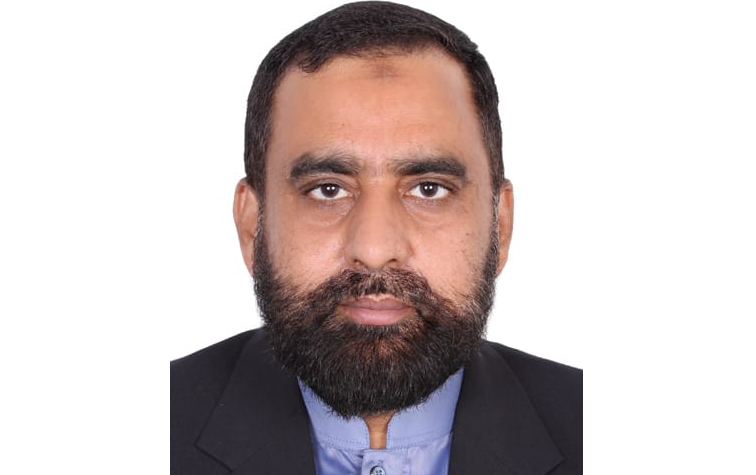
Md. Mukhlesur Rahman

Economist, Social Thinker, and Human Rights Activist
Advisor, Center for Islamic Economics, Dhaka, Bangladesh


Share Button


A Good Budget Must Be Matched by Effective Implementation
.............................................................................................
The Unlimited Accumulation of Wealth by a Few Leads to the Poverty of Many
.............................................................................................
The Tears of Farmers Under the Grip of Middlemen: How Much Longer Must Market Reform Wait?
.............................................................................................
A Diplomatic Path to Resolving the Middle East Conflict
.............................................................................................
Bangladesh’s New Achievement on the World Stage: Honor Accompanied by Great Responsibility
.............................................................................................
No politics around Islami Bank; Let the focus be on reform
.............................................................................................
Failure to Make the Right Decisions Regarding Islamic Banks Could Trigger Political and Economic Instability
.............................................................................................
Justice must be ensured swiftly but through due process
.............................................................................................
Indian Muslims need to unite under a single banner
.............................................................................................
Qurbani: A Lesson in Humanity
.............................................................................................
Padma Barrage under Tarique Rahman’s Visionary Leadership: A New Chapter of Development and National Dignity
.............................................................................................
Lightning Season: From Fear to Preparedness and Prevention
.............................................................................................
Fuel Prices Surge, Markets in Turmoil: Inflation Strangles Everyday Life
.............................................................................................
The Pakistani Era of East Bengal & the Lost Opportunities of the Bengali Muslims
.............................................................................................
From Shiab Abi Talib to today: A long history of economic sanctions
.............................................................................................
Zinnat Ara Ifa: A Silent Force for Humanity
.............................................................................................
Hold Friends and Leave Foes
.............................................................................................
Low-profit policies are essential for local markets amid global crisis
.............................................................................................
Venice of the East Now a City at Risk: Silent Subsidence Threatens Barishal, Immediate Government Action Needed
.............................................................................................
Unprovoked Aggression Sparks Regional Crisis: Iran Responds to US-Israeli Assault
.............................................................................................
Iran War Sends Shockwaves Through Global Agriculture
.............................................................................................
Fighting the Unhinged US Bully: Is It the Duty of Iran Only?
.............................................................................................
Iran–US–Israel Conflict: Implications of the Energy Crisis in Bangladesh and Pathways for Solutions
.............................................................................................
Failure in English Proficiency: Depth of the Crisis, Historical Context, and a Long-Term Path Forward
.............................................................................................
The US War of War Crimes and Trump’s Empty Cry
.............................................................................................
The US Mission of Genocide and Destruction in Iran
.............................................................................................
The State of Occupational Health and Safety in Bangladesh
.............................................................................................
Merit vs. Connections: The Invisible Politics of Workplace Promotions
.............................................................................................
The US Shows its Power of Extreme Barbarity
.............................................................................................
The Iranians are not Weaker than the Afghans: The Hope for the US Victory is Fading Quickly
.............................................................................................
The Iranians are not Weaker than the Afghans: The Hope for the US Victory is Fading Quickly
.............................................................................................
The Urgent Need for Restructuring the Geopolitical Map of the Ummah
.............................................................................................
Pakistan’s Stance on Afghanistan: A Principled Approach Amid Rising Threats
.............................................................................................
Benefits of “Yes” vote in Referendum
.............................................................................................
Strategic Parliamentary Accommodation in Bangladesh
.............................................................................................
Kashmir Solidarity Day — Pakistan’s Voice for Justice, Peace and Human Rights
.............................................................................................
Social Reformer Nawab Sir Salimullah
.............................................................................................
Sovereignty Hanging on Barbed Wire: The Felani Killing, Water Disputes, and the Long Shadow of Hegemony
.............................................................................................
From Plassey to July: An Unbroken Journey of Shattering Chains
.............................................................................................
Differences of Opinion Are Inevitable, but National Unity Is Bangladesh
.............................................................................................
Begum Khaleda Zia’s Rise: A Journey from Domestic Life to Democratic Resistance
.............................................................................................
Attacks on Christian Minorities in India During Christmas 2025- A rowing Human Rights Concern
.............................................................................................
Sheikh Numan Reader calls for humanitarian vision from industrialists in fundraising for the Readford Foundation`s social welfare fund
.............................................................................................
Anti-Bangladesh Narratives, Attacks on Diplomatic Missions, and the Imperative of National Awareness
.............................................................................................
Sharif Osman Bin Hadi Killing: Massive Funeral Reflects Public Anger Against Indian Hegemony
.............................................................................................
Modi`s Image Crisis and the Challenge to Bangladesh`s Sovereignty
.............................................................................................
Islam, Human Dignity and LGBTQ Rights: New Questions of Justice, Diversity and Peace in the Upcoming Elections in Bangladesh
.............................................................................................
Women should be the bearer of the look, in 2025
.............................................................................................
Deconstructing the Razakar Narrative: Jamaat-e-Islami and the Politics of 1971
.............................................................................................
The Forgotten Genocide That Still Haunts Kashmir
.............................................................................................
Chief Advisor: Md. Tajul Islam,
Editor & Publisher Fatima Islam Tania and Printed from Bismillah Printing Press, 219, Fakirapul, Dhaka-1000
Editorial Office: 219, Fakirapul (1st Floor), Dhaka-1000.
Phone: 02-41070996, Mobile: 01720090514, E-mail: muslimtimes19@gmail.com
2022 @ All Right Reserved By www.themuslimtimes-bd.com