×
Home National Politics Business Bangladesh International Sports Entertainment Law & Justice More News Capital News Health Features Business Icon Technology Media Features Economy Education Literature Quran & Hadish Photo Gallery Editorial Religion Tours & Travels Tourism Guide Editors Corner Campus Youth Popular Organizations Country Wide Life Style Jobs Prism Notice History & Culture Messages Op-ed Wildlife Activities Foreign relation Accident Environment Asia Videoes Analysis Energy Book Reviews Literature Others KSA Arab World Cricket Football More Banking Corporate Global economy Real Estate Entrepreneur Start-up Telecom Summit Travel Art and Culture Food Book Fourth Estate View Letters to Editor Political Icon Diplomat Scholarship Career Job

Wednesday 12th of August 2026 E-paper
* এসএসসির ফল প্রকাশ, পাসের হার ৬২.২৫   * দেশের জনগণের ভাগ্য নিয়ে কাউকে ছিনিমিনি খেলতে দেওয়া হবে না : প্রধানমন্ত্রী   * কানাডায় ছড়িয়ে পড়েছে ভয়াবহ দাবানল, জরুরি অবস্থা জারি   * সালমান শাহ হত্যা মামলায় ডন গ্রেফতার   * ১০ বছরের জ্বালানি পরিকল্পনা সংসদে তুলে ধরবে সরকার : প্রধানমন্ত্রী   * Fascism beneficiaries not sitting idle, actively working to destabilise energy sector: PM   * শিক্ষা, স্বাস্থ্য ও জ্বালানি খাতকে স্বনির্ভর করার পরিকল্পনা নেওয়া হয়েছে : প্রধানমন্ত্রী   * ব্রাহ্মণবাড়িয়ায় পূর্ব বিরোধের জেরে দুই পক্ষের সংঘর্ষ, আহত অর্ধশতাধিক   * Houthi attacks kill 10 in Yemen as rebels target oil-rich Marib   * সিলেটে দুই বাসের সংঘর্ষে ৮ জন নিহত  
   Op-ed
  The Political Economy of Banking: Cronyism, Capture, and the Cost of Reform

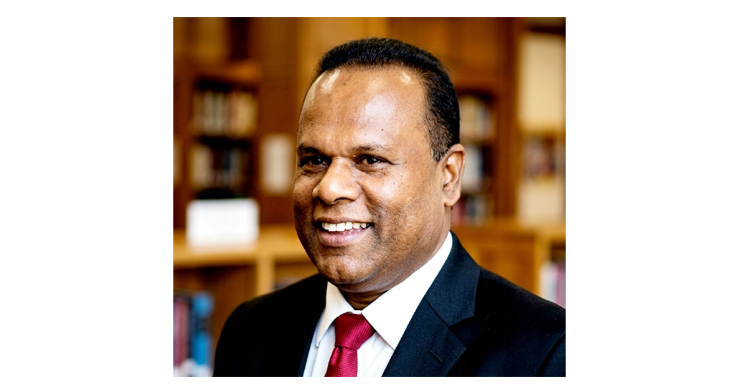
By Prof. Dr. Asif Mizan Vice-Chancellor, Daaru Salaam University (Somalia); Analyst in International Politics, Human Rights, and Criminology.

The Structural Core of Financial Stability

The primary catalyst of a nation’s macroeconomic stability is its financial sector, centered squarely upon the banking system. Banks are not merely passive conduits for accepting deposits and disbursing loans; rather, they serve as the paramount institutional foundation for capital formation and the allocation of economic surplus.

However, in the developing world—and notably within emerging economies like Bangladesh—the dynamics of the banking sector are not dictated solely by classical market forces or the conventional laws of supply and demand. Beneath the surface lies a complex matrix of power dynamics, vested interest networks, and regulatory leverage: a phenomenon captured in economic literature as ‘Political Economy.’

The structural fragility, liquidity constraints, and escalating Non-Performing Loans (NPLs) currently haunting the banking sector are neither accidental financial misadventures nor isolated administrative blunders. Instead, they represent the inevitable evolution of a long-standing political-economic culture. To meaningfully address this crisis, we must look beyond mere "management failures" and objectively analyze the underlying political and institutional equations.

Theoretical Dimensions: Rent-Seeking and Crony Capitalism

From a theoretical standpoint, modern political economy demonstrates that ‘crony capitalism’ and ‘rent-seeking’ behavior exert the most damaging influences on the banking sector. In their seminal work, Why Nations Fail, economists Daron Acemoglu and James Robinson demonstrate that when a nation’s economic institutions transition from being ‘inclusive’ to ‘extractive,’ the concentration of wealth within a select elite becomes institutionally entrenched.

Institutional Shift: Inclusive System ➔ Extractive System ➔ Resource Concentration

This structural degeneration is vividly evident in the banking sector—from the arbitrary licensing of new commercial banks to the politicized composition of boards of directors. When bank ownership and governance are dictated by political allegiance rather than market efficiency, institutional integrity inevitably collapses like a house of cards.

Consequently, we witness a systemic culture where shell companies receive colossal credit facilities, which are subsequently rescheduled or written off in violation of standard regulatory norms. This process functions essentially as an institutional mechanism to transfer the hard-earned savings of ordinary depositors to privileged interest groups under state patronage.

Regulatory Capture and the Moral Hazard Dilemma

The second critical dimension of this crisis is ‘Regulatory Capture.’ In an ideal financial system, the central bank must function as a fully autonomous and uncompromised regulator. According to the framework established by Nobel Laureate George Stigler:

Regulatory capture occurs when an institution tasked with safeguarding the public interest becomes subverted to serve the commercial or political interests of the dominant entities it was designed to regulate.

When central regulatory authorities repeatedly relax the definition of defaulted loans or expand single-borrower exposure limits, such policy shifts often reflect external political pressures rather than sound economic rationale.

Granting special concessions to chronic defaulters sends a perverse signal—a classic ‘Moral Hazard’—to compliant borrowers. It fosters a destructive market psyche that defaulting on financial obligations is ultimately lucrative, thereby dismantling the fundamental ethical fabric of credit discipline.

State-Owned Banks and the Burden on Public Funds

While many view this crisis as an affliction exclusive to private commercial banks, the condition of state-owned banks is arguably more precarious. Under the guise of serving the "public interest," credit allocation in public banks has frequently been governed by political expediency.

IssueCauseConsequenceCapital ShortfallsPoliticized lending decisionsMisallocation of national resourcesSystemic RiskRecurrent state-funded bailoutsErosion of fiscal equityOpportunity CostTaxpayer funded recapitalizationDeprived investment in health & education

Compounding the problem, the recurring practice of recapitalizing these banks using taxpayer funds to offset capital deficits cannot be sustained. This practice effectively subsidizes institutional inefficiency directly from the national treasury.

These resources could otherwise fund inclusive development priorities such as education, healthcare, and social safety nets. By diverting public wealth to absorb institutional losses, the political economy of the banking sector directly undermines social justice and macroeconomic equity.

The Cost of Reform: A Strategic Roadmap

Reversing this trajectory is achievable only if we confront the root causes with unyielding political resolve. A comprehensive reform agenda must prioritize three core interventions:

Establishment of an Independent Banking Commission: An autonomous, non-partisan, and politically immune Banking Commission must be instituted immediately. Operating strictly within economic and legal parameters, this body should conduct comprehensive forensic audits of default loans and bring perpetrators to justice.

Absolute Central Bank Autonomy: The central bank must be empowered to exercise its legal mandate without executive interference. Decisions regarding board appointments, credit approvals, and enforcement actions must fall exclusively under the sovereign authority of the central regulator.

Legal and Judicial Overhaul: Bankruptcy laws and the operations of Financial Courts (Artha Rin Adalat) must be modernized and expedited. Legal loopholes that allow influential individuals to operate above the law must be systematically closed.

Conclusion: Securing Economic Sovereignty

The systemic malaise afflicting the banking sector is far less an administrative issue than it is an institutional and political one. If we aspire to build a resilient, equitable, and high-growth economy, we must liberate the financial sector from this vicious cycle.

Ensuring governance in the financial sector is neither an act of political benevolence nor an optional luxury; it is a fundamental legal guarantee of national economic sovereignty and the security of public savings. Only through decisive political will and unbiased institutional reform can public trust and systemic stability be restored. Failure to act risks condemning the broader macroeconomic framework to prolonged stagnation—an outcome no responsible society can afford.


Share Button


A Handful of Dreams, A Generation of Struggles: A Half-Century Journey of the Bangladeshi Community in Australia
.............................................................................................
Convicted Fugitive on a Political Stage: Delhi’s Mindset and Dhaka’s Indignation
.............................................................................................
Beyond Borrowing: Why Bangladesh Must Build Its Economy on Domestic Revenue
.............................................................................................
The Political Economy of Banking: Cronyism, Capture, and the Cost of Reform
.............................................................................................
Seven Years After Article 370: Modi`s Kashmir Gamble Came at the Cost of Democracy
.............................................................................................
The Architecture of Ownership: Why Protecting Intellectual Property is Bangladesh’s Next Great Frontier
.............................................................................................
The Strait of Hormuz Crisis: The Limits of Military Power, the Imperative of Diplomacy, and the Emerging Global Order
.............................................................................................
Jammu & Kashmir and Abrogation of 370, 35A
.............................................................................................
Anwar Ibrahim’s diplomatic initiative: A new window of opportunity for resolving Rohingya Crisis
.............................................................................................
The historic role of Private University Students in the July Revolution
.............................................................................................
July Warriors: The spirit of revolution and road to a new Bangladesh
.............................................................................................
The Global Energy Landscape Is Transforming Through the Expansion of Clean Energy
.............................................................................................
“Independent Balochistan”: a Facebook fantasy made in India
.............................................................................................
Navigating the Forex Crisis: Devaluation, Import Pressures, and Bangladesh’s Path to Structural Recovery
.............................................................................................
Irregular Weather Patterns Increase Uncertainty in Rice Production
.............................................................................................
Flash Floods Intensify the Crisis of Climate-Displaced Communities
.............................................................................................
Bangladesh ICT: Rich talent, weak institutional mechanism
.............................................................................................
Kashmir’s July 13: Memory, Justice, and the Search for Peace
.............................................................................................
FIFA`s Stained Legacy: How Will It Erase the Shame of 2026?
.............................................................................................
Impossible Peace with the US and the only Option for Iran
.............................................................................................
Political Activism and Muslims’ Failures
.............................................................................................
Money Laundering in Islamic Banks: Is It Time to Rethink the Role of Shariah Boards?
.............................................................................................
Standing Beside People Affected by Natural Disasters Is Our Collective Moral Responsibility
.............................................................................................
Political Activism and the Failures of the Muslims
.............................................................................................
Delayed Settlement of Import Payments Could Damage Bangladesh’s Reputation in the Global Market
.............................................................................................
Bangladesh’s Economic Growth is Promising: Proactive Preparedness is Essential to Manage Future Risks
.............................................................................................
Arabic Language Practice in Bangladesh: A Gateway to New Global Opportunities
.............................................................................................
When a Vision Shapes a City: Leadership, Public Service, and the Future of Patuakhali
.............................................................................................
Bangladesh’s Mango: Exceptional in Taste and Aroma, Yet Lagging Behind in the Global Market
.............................................................................................
Palashi Day in National Consciousness: A Historical Warning
.............................................................................................
US–Iran Agreement: Prospects for Peace in the Middle East
.............................................................................................
Parliamentary Politics and Historical Inconsistencies: The Conflict Between Ideological Narratives and Biological Reality
.............................................................................................
A Good Budget Must Be Matched by Effective Implementation
.............................................................................................
The Unlimited Accumulation of Wealth by a Few Leads to the Poverty of Many
.............................................................................................
The Tears of Farmers Under the Grip of Middlemen: How Much Longer Must Market Reform Wait?
.............................................................................................
A Diplomatic Path to Resolving the Middle East Conflict
.............................................................................................
Bangladesh’s New Achievement on the World Stage: Honor Accompanied by Great Responsibility
.............................................................................................
No politics around Islami Bank; Let the focus be on reform
.............................................................................................
Failure to Make the Right Decisions Regarding Islamic Banks Could Trigger Political and Economic Instability
.............................................................................................
Justice must be ensured swiftly but through due process
.............................................................................................
Indian Muslims need to unite under a single banner
.............................................................................................
Qurbani: A Lesson in Humanity
.............................................................................................
Padma Barrage under Tarique Rahman’s Visionary Leadership: A New Chapter of Development and National Dignity
.............................................................................................
Lightning Season: From Fear to Preparedness and Prevention
.............................................................................................
Fuel Prices Surge, Markets in Turmoil: Inflation Strangles Everyday Life
.............................................................................................
The Pakistani Era of East Bengal & the Lost Opportunities of the Bengali Muslims
.............................................................................................
From Shiab Abi Talib to today: A long history of economic sanctions
.............................................................................................
Zinnat Ara Ifa: A Silent Force for Humanity
.............................................................................................
Hold Friends and Leave Foes
.............................................................................................
Low-profit policies are essential for local markets amid global crisis
.............................................................................................
Chief Advisor: Md. Tajul Islam,
Editor & Publisher Fatima Islam Tania and Printed from Bismillah Printing Press, 219, Fakirapul, Dhaka-1000
Editorial Office: 219, Fakirapul (1st Floor), Dhaka-1000.
Phone: 02-41070996, Mobile: 01720090514, E-mail: muslimtimes19@gmail.com
2022 @ All Right Reserved By www.themuslimtimes-bd.com