×
Home National Politics Business Bangladesh International Sports Entertainment Law & Justice More News Capital News Health Features Business Icon Technology Media Features Economy Education Literature Quran & Hadish Photo Gallery Editorial Religion Tours & Travels Tourism Guide Editors Corner Campus Youth Popular Organizations Country Wide Life Style Jobs Prism Notice History & Culture Messages Op-ed Wildlife Activities Foreign relation Accident Environment Asia Videoes Analysis Energy Book Reviews Literature Others KSA Arab World Cricket Football More Banking Corporate Global economy Real Estate Entrepreneur Start-up Telecom Summit Travel Art and Culture Food Book Fourth Estate View Letters to Editor Political Icon Diplomat Scholarship Career Job

Wednesday 12th of August 2026 E-paper
* এসএসসির ফল প্রকাশ, পাসের হার ৬২.২৫   * দেশের জনগণের ভাগ্য নিয়ে কাউকে ছিনিমিনি খেলতে দেওয়া হবে না : প্রধানমন্ত্রী   * কানাডায় ছড়িয়ে পড়েছে ভয়াবহ দাবানল, জরুরি অবস্থা জারি   * সালমান শাহ হত্যা মামলায় ডন গ্রেফতার   * ১০ বছরের জ্বালানি পরিকল্পনা সংসদে তুলে ধরবে সরকার : প্রধানমন্ত্রী   * Fascism beneficiaries not sitting idle, actively working to destabilise energy sector: PM   * শিক্ষা, স্বাস্থ্য ও জ্বালানি খাতকে স্বনির্ভর করার পরিকল্পনা নেওয়া হয়েছে : প্রধানমন্ত্রী   * ব্রাহ্মণবাড়িয়ায় পূর্ব বিরোধের জেরে দুই পক্ষের সংঘর্ষ, আহত অর্ধশতাধিক   * Houthi attacks kill 10 in Yemen as rebels target oil-rich Marib   * সিলেটে দুই বাসের সংঘর্ষে ৮ জন নিহত  
   Op-ed
  Irregular Weather Patterns Increase Uncertainty in Rice Production

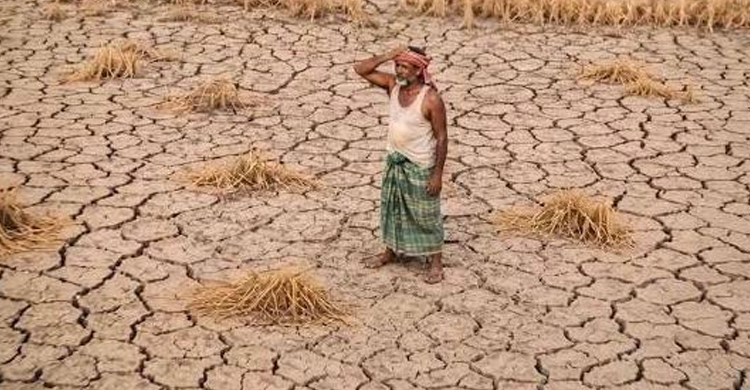
Sadaf Hosen : Climate change is altering rainfall patterns, precipitation levels, and temperature trends across different regions of Bangladesh. As a result, farmers are increasingly facing prolonged droughts in some seasons and unusually heavy rainfall in others. Agricultural experts warn that these unpredictable weather conditions pose significant risks to the production of rice, the country`s staple food crop. However, the phrase "Untimely rain and drought are leaving golden paddy to rot in the fields" should be understood as a figurative expression rather than a universal reality. In some areas, mature rice crops are submerged and damaged by excessive rainfall, while in others, drought prevents proper grain formation or reduces yields.

Agricultural scientist Dr. Mahbubur Rahman explains, "Weather plays a crucial role at every stage of rice cultivation. If normal weather conditions are disrupted during transplanting, tillering, panicle formation, or harvesting, both crop yield and grain quality can be adversely affected." He adds that climate change is making it increasingly difficult for farmers to rely on traditional farming experience when making cultivation decisions.
Agricultural researcher Dr. Nusrat Jahan says, "During droughts, rice fields often do not receive enough water. On the other hand, heavy rainfall during the harvesting season can leave fields waterlogged, increasing the risk of damage to mature crops. As production costs continue to rise, many farmers struggle to earn the returns they expected."
Abdul Kader, a farmer from Naogaon, says, "We were preparing to harvest our rice when several days of continuous rain flooded much of our fields. By the time we could harvest, we had already suffered considerable losses." Rafiqul Islam, a farmer from Kushtia, adds, "When we need rain, it doesn`t come. But when it`s time to harvest, we often get excessive rainfall. Farming has become much more uncertain."
Agricultural economist Dr. Farhana Yasmin notes, "Losses in rice production do not only reduce farmers` incomes; they can also affect food supplies and market prices. This is why climate-resilient agricultural systems are becoming increasingly important."
Environmental expert Dr. Rashedul Karim says, "In addition to climate change, deforestation, wetland degradation, and the overuse of groundwater are disrupting local environmental balance. These factors are contributing to increasingly unstable weather conditions."
Salma Begum, a homemaker from Rajshahi, says, "When rice production declines, the price of rice often increases. Ultimately, ordinary families bear the burden." Mehedi Hasan, a university student from Mymensingh, believes that farmers should have easier access to reliable weather information and modern agricultural technologies.
Public health specialist Dr. Sharmin Akter warns that prolonged disruptions to food production could also threaten nutritional security. "Agriculture and public health should be addressed together when developing long-term adaptation strategies," she says.
Experts recommend expanding the development of drought- and waterlogging-tolerant rice varieties, improving irrigation systems, providing weather-based agricultural advisory services, strengthening crop insurance programs, promoting rainwater harvesting, and expanding farmer training initiatives. At the same time, they emphasize the importance of reducing carbon emissions and protecting the environment to slow the pace of climate change.
Environmental policy expert Dr. Sayma Rahman says, "Preparing agriculture for the future requires more than simply increasing production. It also means strengthening farmers` ability to adapt to a changing climate. Combining scientific research, technological innovation, and farmers` practical experience offers the most effective path forward."
According to analysts, the combined effects of irregular rainfall and prolonged drought represent a significant warning for Bangladesh`s rice production system. Implementing science-based agricultural policies, promoting climate-resilient technologies, and strengthening timely adaptation measures could substantially reduce future losses. Without these efforts, the pressure on national food security, farmers` incomes, and the rural economy is likely to intensify in the years ahead.


Share Button


A Handful of Dreams, A Generation of Struggles: A Half-Century Journey of the Bangladeshi Community in Australia
.............................................................................................
Convicted Fugitive on a Political Stage: Delhi’s Mindset and Dhaka’s Indignation
.............................................................................................
Beyond Borrowing: Why Bangladesh Must Build Its Economy on Domestic Revenue
.............................................................................................
The Political Economy of Banking: Cronyism, Capture, and the Cost of Reform
.............................................................................................
Seven Years After Article 370: Modi`s Kashmir Gamble Came at the Cost of Democracy
.............................................................................................
The Architecture of Ownership: Why Protecting Intellectual Property is Bangladesh’s Next Great Frontier
.............................................................................................
The Strait of Hormuz Crisis: The Limits of Military Power, the Imperative of Diplomacy, and the Emerging Global Order
.............................................................................................
Jammu & Kashmir and Abrogation of 370, 35A
.............................................................................................
Anwar Ibrahim’s diplomatic initiative: A new window of opportunity for resolving Rohingya Crisis
.............................................................................................
The historic role of Private University Students in the July Revolution
.............................................................................................
July Warriors: The spirit of revolution and road to a new Bangladesh
.............................................................................................
The Global Energy Landscape Is Transforming Through the Expansion of Clean Energy
.............................................................................................
“Independent Balochistan”: a Facebook fantasy made in India
.............................................................................................
Navigating the Forex Crisis: Devaluation, Import Pressures, and Bangladesh’s Path to Structural Recovery
.............................................................................................
Irregular Weather Patterns Increase Uncertainty in Rice Production
.............................................................................................
Flash Floods Intensify the Crisis of Climate-Displaced Communities
.............................................................................................
Bangladesh ICT: Rich talent, weak institutional mechanism
.............................................................................................
Kashmir’s July 13: Memory, Justice, and the Search for Peace
.............................................................................................
FIFA`s Stained Legacy: How Will It Erase the Shame of 2026?
.............................................................................................
Impossible Peace with the US and the only Option for Iran
.............................................................................................
Political Activism and Muslims’ Failures
.............................................................................................
Money Laundering in Islamic Banks: Is It Time to Rethink the Role of Shariah Boards?
.............................................................................................
Standing Beside People Affected by Natural Disasters Is Our Collective Moral Responsibility
.............................................................................................
Political Activism and the Failures of the Muslims
.............................................................................................
Delayed Settlement of Import Payments Could Damage Bangladesh’s Reputation in the Global Market
.............................................................................................
Bangladesh’s Economic Growth is Promising: Proactive Preparedness is Essential to Manage Future Risks
.............................................................................................
Arabic Language Practice in Bangladesh: A Gateway to New Global Opportunities
.............................................................................................
When a Vision Shapes a City: Leadership, Public Service, and the Future of Patuakhali
.............................................................................................
Bangladesh’s Mango: Exceptional in Taste and Aroma, Yet Lagging Behind in the Global Market
.............................................................................................
Palashi Day in National Consciousness: A Historical Warning
.............................................................................................
US–Iran Agreement: Prospects for Peace in the Middle East
.............................................................................................
Parliamentary Politics and Historical Inconsistencies: The Conflict Between Ideological Narratives and Biological Reality
.............................................................................................
A Good Budget Must Be Matched by Effective Implementation
.............................................................................................
The Unlimited Accumulation of Wealth by a Few Leads to the Poverty of Many
.............................................................................................
The Tears of Farmers Under the Grip of Middlemen: How Much Longer Must Market Reform Wait?
.............................................................................................
A Diplomatic Path to Resolving the Middle East Conflict
.............................................................................................
Bangladesh’s New Achievement on the World Stage: Honor Accompanied by Great Responsibility
.............................................................................................
No politics around Islami Bank; Let the focus be on reform
.............................................................................................
Failure to Make the Right Decisions Regarding Islamic Banks Could Trigger Political and Economic Instability
.............................................................................................
Justice must be ensured swiftly but through due process
.............................................................................................
Indian Muslims need to unite under a single banner
.............................................................................................
Qurbani: A Lesson in Humanity
.............................................................................................
Padma Barrage under Tarique Rahman’s Visionary Leadership: A New Chapter of Development and National Dignity
.............................................................................................
Lightning Season: From Fear to Preparedness and Prevention
.............................................................................................
Fuel Prices Surge, Markets in Turmoil: Inflation Strangles Everyday Life
.............................................................................................
The Pakistani Era of East Bengal & the Lost Opportunities of the Bengali Muslims
.............................................................................................
From Shiab Abi Talib to today: A long history of economic sanctions
.............................................................................................
Zinnat Ara Ifa: A Silent Force for Humanity
.............................................................................................
Hold Friends and Leave Foes
.............................................................................................
Low-profit policies are essential for local markets amid global crisis
.............................................................................................
Chief Advisor: Md. Tajul Islam,
Editor & Publisher Fatima Islam Tania and Printed from Bismillah Printing Press, 219, Fakirapul, Dhaka-1000
Editorial Office: 219, Fakirapul (1st Floor), Dhaka-1000.
Phone: 02-41070996, Mobile: 01720090514, E-mail: muslimtimes19@gmail.com
2022 @ All Right Reserved By www.themuslimtimes-bd.com