×
Home National Politics Business Bangladesh International Sports Entertainment Law & Justice More News Capital News Health Features Business Icon Technology Media Features Economy Education Literature Quran & Hadish Photo Gallery Editorial Religion Tours & Travels Tourism Guide Editors Corner Campus Youth Popular Organizations Country Wide Life Style Jobs Prism Notice History & Culture Messages Op-ed Wildlife Activities Foreign relation Accident Environment Asia Videoes Analysis Energy Book Reviews Literature Others KSA Arab World Cricket Football More Banking Corporate Global economy Real Estate Entrepreneur Start-up Telecom Summit Travel Art and Culture Food Book Fourth Estate View Letters to Editor Political Icon Diplomat Scholarship Career Job

Tuesday 14th of July 2026 E-paper
* আমরা সর্বোচ্চ শক্তি দিয়ে উদ্যোক্তাদের পাশে থাকব: প্রধানমন্ত্রী   * PM urges youth to become entrepreneurs braving challenges   * এক মাসের মধ্যে সর্বোচ্চ জ্বালানি তেলের দাম   * প্রথমবার স্টার্টআপ ব্যর্থ হলে ও সম্ভাবনা থাকলে পরবর্তীতে অর্থ সহায়তা দেয়া হবে   * শিক্ষামন্ত্রীর পদত্যাগ দাবিতে সায়েন্সল্যাব মোড় অবরোধ   * কুতুবদিয়ায় মাছ ধরার ট্রলারডুবি, ৫ জেলের মৃত্যু   * বিস্তীর্ণ জঙ্গলে সেনা মহড়া ঘুরে দেখলেন প্রধানমন্ত্রী, দিলেন নির্দেশনা   * ১৭ বছরে ঢাকায় দ্বিতীয় সর্বোচ্চ বৃষ্টি   * সারা দেশে ২৫ কোটি গাছ রোপণ করা হবে: প্রধানমন্ত্রী   * PM holds meeting on waste-to-energy projects for Dhaka City  
   Op-ed
  Bangladesh’s Economic Growth is Promising: Proactive Preparedness is Essential to Manage Future Risks

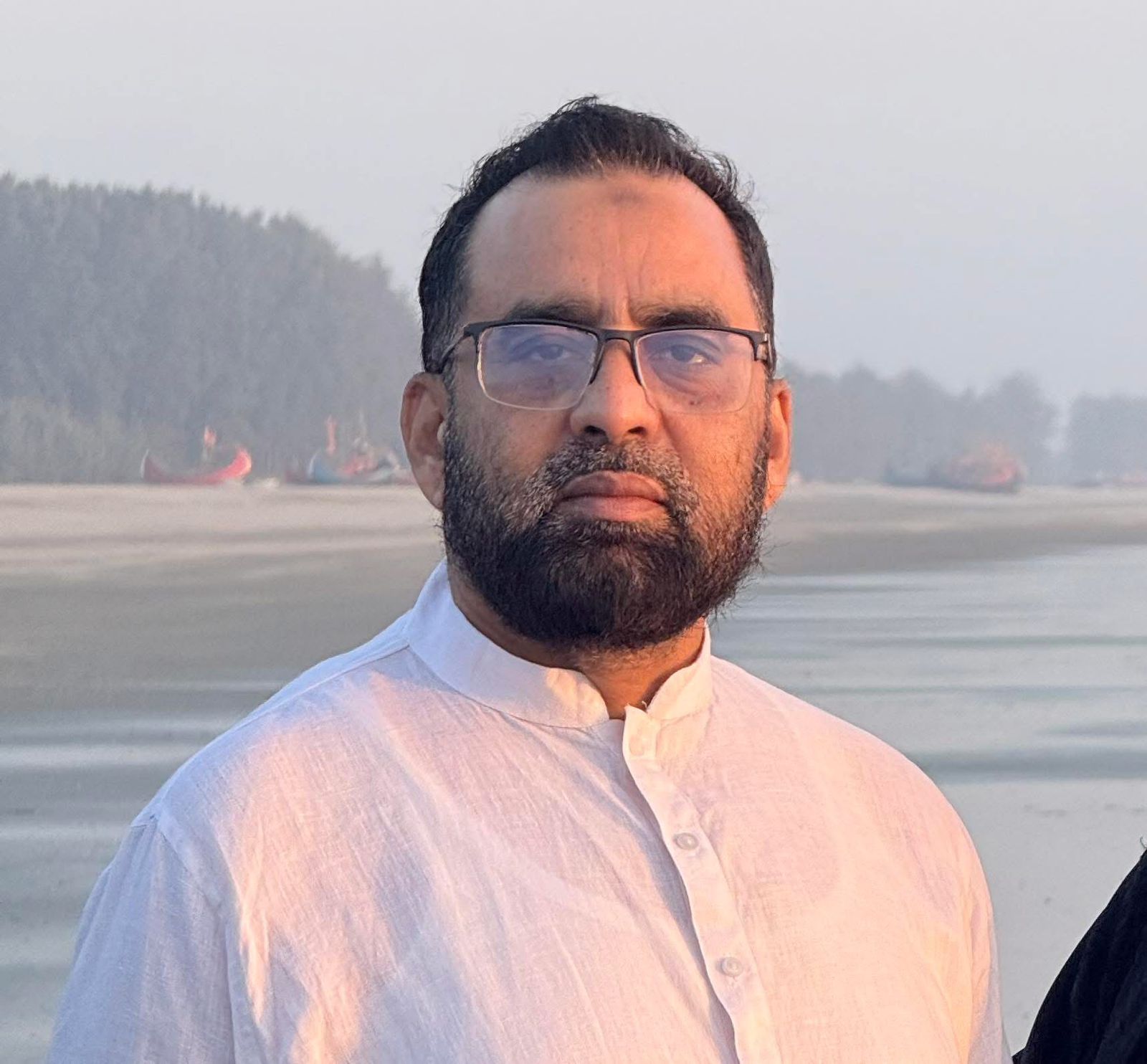
Md. Mukhlesur Rahman: It is very close to the truth to say that Bangladesh’s economic indicators are currently on an upward trajectory. Recent achievements—including record-breaking remittance inflows, an expanding Gross Domestic Product (GDP), the digital transformation of foreign trade, improvements in revenue collection, and structural reform initiatives in the capital market—are undoubtedly encouraging signs for the country’s economy. Nevertheless, global economic uncertainty, rapid technological change, and geopolitical instability could quickly diminish the comfort offered by these positive statistics. Therefore, the real challenge lies not merely in achieving economic growth, but in ensuring its quality, resilience, and sustainability.


Over the past two decades, Bangladesh has emerged as one of the world’s most promising developing economies through sustained economic growth. Alongside poverty reduction, industrialization, infrastructure development, export expansion, and the invaluable contributions of Bangladeshi expatriates have provided the country with a strong economic foundation. The encouraging performance of key economic indicators at the beginning of the new fiscal year reflects the continuation of this positive trajectory.


Perhaps the most remarkable achievement has come in the remittance sector. As one of the country’s principal sources of foreign exchange, remittances not only strengthen foreign currency reserves but also significantly improve the living standards of millions of families. They play a crucial role in financing imports, maintaining exchange rate stability, and preserving balance in external transactions. However, excessive dependence on remittances cannot be regarded as a sustainable long-term strategy. Since remittance earnings are largely dependent on the income of migrant workers abroad, they remain vulnerable to global economic downturns and fluctuations in international labor markets.


The expansion of the country’s economy is undoubtedly a positive development. However, regardless of how much GDP grows, the more fundamental question is whether the benefits of that growth are reaching all segments of society. If income inequality continues to widen, employment generation remains insufficient, or growth continues to rely primarily on consumption rather than productive investment, a larger economy alone will not translate into meaningful improvements in people’s quality of life.


This is where digital transformation assumes critical importance. Replacing paper-based procedures in international trade with electronic documentation represents far more than a technological upgrade—it signifies a transformation in the culture of doing business. Such reforms reduce both time and costs, minimize corruption and bureaucratic complexity, and strengthen Bangladesh’s competitiveness in global markets. The economy of the future will be increasingly data-driven, technology-based, and dependent on rapid decision-making. Consequently, there is no viable alternative to investing in digital infrastructure, cybersecurity, and the development of a highly skilled workforce.


Improved revenue collection is equally essential for strengthening the government’s fiscal capacity. Sustainable domestic revenue enables the implementation of development projects, enhances investments in education and healthcare, and expands social protection programs. However, increasing tax revenue alone is not sufficient. The taxation system must become more equitable, transparent, simple, and taxpayer-friendly. At the same time, the effective use of technology is indispensable to combat tax evasion and improve administrative efficiency.


Recent reform initiatives in Bangladesh’s capital market are also encouraging. For many years, the capital market has struggled with weak governance, policy inconsistency, and a persistent crisis of investor confidence. Yet sustainable industrialization cannot be achieved without a robust capital market. To reduce excessive dependence on bank financing, the capital market must evolve into an effective source of long-term capital for businesses. Achieving this objective requires stronger corporate governance, greater transparency in financial disclosures, enhanced investor protection, and the institutional independence of regulatory authorities.


Despite these encouraging developments, there is no room for complacency. The global economy continues to face significant challenges, including persistent inflation, elevated interest rates, growing debt burdens, supply chain uncertainties, and the rapid advancement of artificial intelligence-driven technologies. Slower economic growth in advanced economies could adversely affect Bangladesh’s exports and remittance inflows. Accordingly, economic policies must be carefully designed and continuously adapted to address these evolving global risks.


Over the next five years, Bangladesh’s economic transformation will likely be driven by three interconnected pillars: remittances, technology, and the capital market. These pillars should not be viewed in isolation. Remittances will provide macroeconomic stability; technology-driven digital trade will enhance productivity and global competitiveness; and a strong capital market will ensure long-term financing for industrial development. If these three pillars are supported by good governance, a skilled workforce, research and innovation, and consistent policymaking, Bangladesh can confidently advance beyond middle-income status toward becoming a high-income economy.


Past achievements deserve recognition and should inspire confidence. However, future success will ultimately depend on the decisions made today. No matter how impressive the economic statistics may appear, they will have genuine significance only if growth is employment-oriented, inclusive, technology-driven, and founded upon sound governance. As Bangladesh begins a new fiscal year, this should be the nation’s guiding commitment for sustainable economic progress.


Md. Mukhlesur Rahman


Economist, International Trade Researcher, Social Thinker, and Human Rights Activist


Share Button


Kashmir’s July 13: Memory, Justice, and the Search for Peace
.............................................................................................
FIFA`s Stained Legacy: How Will It Erase the Shame of 2026?
.............................................................................................
Impossible Peace with the US and the only Option for Iran
.............................................................................................
Political Activism and Muslims’ Failures
.............................................................................................
Money Laundering in Islamic Banks: Is It Time to Rethink the Role of Shariah Boards?
.............................................................................................
Standing Beside People Affected by Natural Disasters Is Our Collective Moral Responsibility
.............................................................................................
Political Activism and the Failures of the Muslims
.............................................................................................
Delayed Settlement of Import Payments Could Damage Bangladesh’s Reputation in the Global Market
.............................................................................................
Bangladesh’s Economic Growth is Promising: Proactive Preparedness is Essential to Manage Future Risks
.............................................................................................
Arabic Language Practice in Bangladesh: A Gateway to New Global Opportunities
.............................................................................................
When a Vision Shapes a City: Leadership, Public Service, and the Future of Patuakhali
.............................................................................................
Bangladesh’s Mango: Exceptional in Taste and Aroma, Yet Lagging Behind in the Global Market
.............................................................................................
Palashi Day in National Consciousness: A Historical Warning
.............................................................................................
US–Iran Agreement: Prospects for Peace in the Middle East
.............................................................................................
Parliamentary Politics and Historical Inconsistencies: The Conflict Between Ideological Narratives and Biological Reality
.............................................................................................
A Good Budget Must Be Matched by Effective Implementation
.............................................................................................
The Unlimited Accumulation of Wealth by a Few Leads to the Poverty of Many
.............................................................................................
The Tears of Farmers Under the Grip of Middlemen: How Much Longer Must Market Reform Wait?
.............................................................................................
A Diplomatic Path to Resolving the Middle East Conflict
.............................................................................................
Bangladesh’s New Achievement on the World Stage: Honor Accompanied by Great Responsibility
.............................................................................................
No politics around Islami Bank; Let the focus be on reform
.............................................................................................
Failure to Make the Right Decisions Regarding Islamic Banks Could Trigger Political and Economic Instability
.............................................................................................
Justice must be ensured swiftly but through due process
.............................................................................................
Indian Muslims need to unite under a single banner
.............................................................................................
Qurbani: A Lesson in Humanity
.............................................................................................
Padma Barrage under Tarique Rahman’s Visionary Leadership: A New Chapter of Development and National Dignity
.............................................................................................
Lightning Season: From Fear to Preparedness and Prevention
.............................................................................................
Fuel Prices Surge, Markets in Turmoil: Inflation Strangles Everyday Life
.............................................................................................
The Pakistani Era of East Bengal & the Lost Opportunities of the Bengali Muslims
.............................................................................................
From Shiab Abi Talib to today: A long history of economic sanctions
.............................................................................................
Zinnat Ara Ifa: A Silent Force for Humanity
.............................................................................................
Hold Friends and Leave Foes
.............................................................................................
Low-profit policies are essential for local markets amid global crisis
.............................................................................................
Venice of the East Now a City at Risk: Silent Subsidence Threatens Barishal, Immediate Government Action Needed
.............................................................................................
Unprovoked Aggression Sparks Regional Crisis: Iran Responds to US-Israeli Assault
.............................................................................................
Iran War Sends Shockwaves Through Global Agriculture
.............................................................................................
Fighting the Unhinged US Bully: Is It the Duty of Iran Only?
.............................................................................................
Iran–US–Israel Conflict: Implications of the Energy Crisis in Bangladesh and Pathways for Solutions
.............................................................................................
Failure in English Proficiency: Depth of the Crisis, Historical Context, and a Long-Term Path Forward
.............................................................................................
The US War of War Crimes and Trump’s Empty Cry
.............................................................................................
The US Mission of Genocide and Destruction in Iran
.............................................................................................
The State of Occupational Health and Safety in Bangladesh
.............................................................................................
Merit vs. Connections: The Invisible Politics of Workplace Promotions
.............................................................................................
The US Shows its Power of Extreme Barbarity
.............................................................................................
The Iranians are not Weaker than the Afghans: The Hope for the US Victory is Fading Quickly
.............................................................................................
The Iranians are not Weaker than the Afghans: The Hope for the US Victory is Fading Quickly
.............................................................................................
The Urgent Need for Restructuring the Geopolitical Map of the Ummah
.............................................................................................
Pakistan’s Stance on Afghanistan: A Principled Approach Amid Rising Threats
.............................................................................................
Benefits of “Yes” vote in Referendum
.............................................................................................
Strategic Parliamentary Accommodation in Bangladesh
.............................................................................................
Chief Advisor: Md. Tajul Islam,
Editor & Publisher Fatima Islam Tania and Printed from Bismillah Printing Press, 219, Fakirapul, Dhaka-1000
Editorial Office: 219, Fakirapul (1st Floor), Dhaka-1000.
Phone: 02-41070996, Mobile: 01720090514, E-mail: muslimtimes19@gmail.com
2022 @ All Right Reserved By www.themuslimtimes-bd.com