×
Home National Politics Business Bangladesh International Sports Entertainment Law & Justice More News Capital News Health Features Business Icon Technology Media Features Economy Education Literature Quran & Hadish Photo Gallery Editorial Religion Tours & Travels Tourism Guide Editors Corner Campus Youth Popular Organizations Country Wide Life Style Jobs Prism Notice History & Culture Messages Op-ed Wildlife Activities Foreign relation Accident Environment Asia Videoes Analysis Energy Book Reviews Literature Others KSA Arab World Cricket Football More Banking Corporate Global economy Real Estate Entrepreneur Start-up Telecom Summit Travel Art and Culture Food Book Fourth Estate View Letters to Editor Political Icon Diplomat Scholarship Career Job

Tuesday 2nd of June 2026 E-paper
* Tofail Ahmed to be laid to rest in Bhola as per his wish   * Massive blast in Myanmar village kills 55   * Petrol, octane prices hiked by Tk 5 per litre   * Working people retuning capital after Eid vacation   * Trump asked for tougher terms in proposed Iran war deal: US media   * BGMEA claims over 94% RMG factories pay Eid bonuses, 99% clear Apr wages   * Fire breaks out at Kalshi slum   * Medium-sized cattle leading buyers’ choice in Dhaka haats   * 15 killed as truck overturns on Dhaka-Tangail highway   * Bangladesh advancing toward self-reliant energy system: PM  
   Op-ed
  Failure to Make the Right Decisions Regarding Islamic Banks Could Trigger Political and Economic Instability

Md. Mukhlesur Rahman: Bangladesh’s banking sector is currently passing through a critical phase where the consequences of wrong decisions will not remain confined to financial losses alone; they may also affect the broader economy, social stability, and political landscape. In particular, the uncertainty, irregularities, ownership changes, liquidity crises, and erosion of public confidence surrounding the Islamic banking sector in recent years are no longer merely internal banking issues. Rather, they have gradually become a sensitive national economic and state concern. In this context, failure to take correct, transparent, and far-sighted decisions regarding Islamic banks could further deepen the ongoing crisis.


The rise of Islamic banking in Bangladesh was not accidental. Over the past four decades, this sector has earned the trust of millions of people across the country. Due to religious convictions, opposition to interest-based financial systems, and belief in an alternative economic model, a large segment of the population has entrusted their savings to Islamic banks. From rural communities to the urban middle class, small business owners, and expatriate workers, many people view Islamic banks not merely as financial institutions but as symbols of trust and faith. Therefore, a loss of confidence in this sector does not simply create a banking crisis; it also carries the risk of broader social repercussions.

The reality is that controversies surrounding several major Islamic banks in recent years have generated deep concern among ordinary depositors. Sudden changes in ownership and management, unusual influence by certain business groups, irregularities in the disbursement of massive loans, weak corporate governance, and politically motivated decision-making have raised serious questions in the public mind: Are Islamic banks truly in safe hands?

This question is profoundly important because the foundation of any banking system is trust. More important than a bank’s capital, buildings, or technology is the confidence of the people. If depositors begin to believe that their savings are unsafe, panic can emerge at any time. Banking history around the world has repeatedly shown that even rumors or a crisis of confidence can push banks toward severe collapse. If people rush to withdraw their money simultaneously, even the strongest banks can face disaster. In the case of Islamic banks, this risk is even greater because they hold the deposits of millions of religiously motivated ordinary citizens.

The government must carefully recognize that people do not view a crisis in Islamic banking merely as a financial failure; many perceive it as a crisis of trust and morality as well. As a result, any wrong signal in this sector could create political repercussions. Particularly when the public begins to believe that influential groups are using political patronage to exploit the banking sector for their own benefit, questions inevitably arise regarding the neutrality and accountability of the state.

Bangladesh’s current economic realities have made the situation even more sensitive. Pressure on foreign exchange reserves, high inflation, rising import costs, sluggish industrial growth, and the growing burden of non-performing loans have already placed the economy in a vulnerable condition. In such circumstances, any new instability in the Islamic banking sector could destabilize the entire financial system. This is especially significant because a large portion of remittances from expatriates flows through Islamic banking channels. A crisis of confidence in this sector could therefore negatively affect remittance inflows as well.

Perhaps the most alarming issue is that, in many cases, Islamic banking has been treated not as a professional financial sector but as a field for political and group-based influence. When loyalty and political connections are prioritized over competence and experience in bank boards, loan approvals, investment decisions, and top management appointments, the outcome can never be positive. Banks gradually cease to function as partners in economic development and instead become economic instruments for powerful groups.

Here lies the government’s greatest responsibility: to address the issue not from a purely political perspective, but from a statecraft and economic standpoint. If the Islamic banking sector is managed merely through administrative reshuffling without addressing the core issues of governance, transparency, and accountability, the crisis will only deepen. The public no longer wants cosmetic changes; they want genuine reforms.

First, the actual financial condition, liquidity status, and scale of non-performing loans in Islamic banks must be transparently disclosed to the public. A culture of secrecy and concealment is far more dangerous in the long run. When people lack accurate information, rumors and panic spread more rapidly.

Second, allegations of loan irregularities, money laundering, and corporate corruption must be investigated impartially, and exemplary punishment must be ensured. Taking action only against small defaulters while protecting influential figures could intensify the public’s crisis of confidence.

Third, Bangladesh Bank must be transformed into a genuinely independent and strong regulatory institution. It is essential to ensure an environment where the central bank can supervise all financial institutions, including Islamic banks, free from political or group pressure.

Fourth, the fundamental philosophy of Islamic banking must be restored. The objective of Islamic banking is not merely to place the word “Islamic” before a bank’s name; rather, it is to establish a business-based, justice-oriented, and risk-sharing economic system. In reality, however, many Islamic banks have become excessively collateral-dependent, corporate-driven, and trapped in superficial Shariah compliance. As a result, public disappointment has already begun to grow. To overcome this situation, genuine Shariah governance, competent Shariah boards, and transparent investment policies must be ensured.

Most importantly, the government must understand that the crisis in Islamic banking is not merely an economic crisis; it is a crisis of public trust. Once people’s confidence in the state begins to weaken, its consequences extend far beyond the financial sector. History has shown that economic crises often become the starting point of political instability.

There is still time to manage the situation. But doing so requires courageous, transparent, and professional decision-making. Political considerations, group interests, or temporary solutions may keep the situation under control for a short time, but in the long run, the crisis could become far more explosive.

For the sake of Bangladesh’s economy and social stability, restoring confidence in the Islamic banking sector has now become an urgent necessity. Otherwise, the uncertainty surrounding this sector may push not only the banking system but also the government itself into an increasingly difficult and vulnerable position.

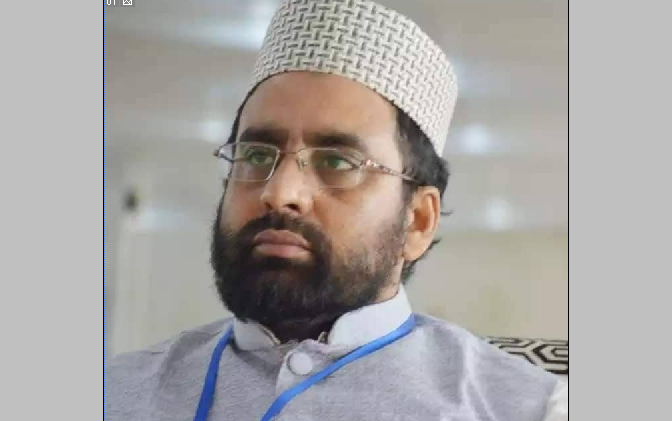
Author: Md. Mukhlesur Rahman is a renowned Islamic Economist and Banker, Shariah Scholar and Social Thinker.


Share Button


Failure to Make the Right Decisions Regarding Islamic Banks Could Trigger Political and Economic Instability
.............................................................................................
Justice must be ensured swiftly but through due process
.............................................................................................
Indian Muslims need to unite under a single banner
.............................................................................................
Qurbani: A Lesson in Humanity
.............................................................................................
Padma Barrage under Tarique Rahman’s Visionary Leadership: A New Chapter of Development and National Dignity
.............................................................................................
Lightning Season: From Fear to Preparedness and Prevention
.............................................................................................
Fuel Prices Surge, Markets in Turmoil: Inflation Strangles Everyday Life
.............................................................................................
The Pakistani Era of East Bengal & the Lost Opportunities of the Bengali Muslims
.............................................................................................
From Shiab Abi Talib to today: A long history of economic sanctions
.............................................................................................
Zinnat Ara Ifa: A Silent Force for Humanity
.............................................................................................
Hold Friends and Leave Foes
.............................................................................................
Low-profit policies are essential for local markets amid global crisis
.............................................................................................
Venice of the East Now a City at Risk: Silent Subsidence Threatens Barishal, Immediate Government Action Needed
.............................................................................................
Unprovoked Aggression Sparks Regional Crisis: Iran Responds to US-Israeli Assault
.............................................................................................
Iran War Sends Shockwaves Through Global Agriculture
.............................................................................................
Fighting the Unhinged US Bully: Is It the Duty of Iran Only?
.............................................................................................
Iran–US–Israel Conflict: Implications of the Energy Crisis in Bangladesh and Pathways for Solutions
.............................................................................................
Failure in English Proficiency: Depth of the Crisis, Historical Context, and a Long-Term Path Forward
.............................................................................................
The US War of War Crimes and Trump’s Empty Cry
.............................................................................................
The US Mission of Genocide and Destruction in Iran
.............................................................................................
The State of Occupational Health and Safety in Bangladesh
.............................................................................................
Merit vs. Connections: The Invisible Politics of Workplace Promotions
.............................................................................................
The US Shows its Power of Extreme Barbarity
.............................................................................................
The Iranians are not Weaker than the Afghans: The Hope for the US Victory is Fading Quickly
.............................................................................................
The Iranians are not Weaker than the Afghans: The Hope for the US Victory is Fading Quickly
.............................................................................................
The Urgent Need for Restructuring the Geopolitical Map of the Ummah
.............................................................................................
Pakistan’s Stance on Afghanistan: A Principled Approach Amid Rising Threats
.............................................................................................
Benefits of “Yes” vote in Referendum
.............................................................................................
Strategic Parliamentary Accommodation in Bangladesh
.............................................................................................
Kashmir Solidarity Day — Pakistan’s Voice for Justice, Peace and Human Rights
.............................................................................................
Social Reformer Nawab Sir Salimullah
.............................................................................................
Sovereignty Hanging on Barbed Wire: The Felani Killing, Water Disputes, and the Long Shadow of Hegemony
.............................................................................................
From Plassey to July: An Unbroken Journey of Shattering Chains
.............................................................................................
Differences of Opinion Are Inevitable, but National Unity Is Bangladesh
.............................................................................................
Begum Khaleda Zia’s Rise: A Journey from Domestic Life to Democratic Resistance
.............................................................................................
Attacks on Christian Minorities in India During Christmas 2025- A rowing Human Rights Concern
.............................................................................................
Sheikh Numan Reader calls for humanitarian vision from industrialists in fundraising for the Readford Foundation`s social welfare fund
.............................................................................................
Anti-Bangladesh Narratives, Attacks on Diplomatic Missions, and the Imperative of National Awareness
.............................................................................................
Sharif Osman Bin Hadi Killing: Massive Funeral Reflects Public Anger Against Indian Hegemony
.............................................................................................
Modi`s Image Crisis and the Challenge to Bangladesh`s Sovereignty
.............................................................................................
Islam, Human Dignity and LGBTQ Rights: New Questions of Justice, Diversity and Peace in the Upcoming Elections in Bangladesh
.............................................................................................
Women should be the bearer of the look, in 2025
.............................................................................................
Deconstructing the Razakar Narrative: Jamaat-e-Islami and the Politics of 1971
.............................................................................................
The Forgotten Genocide That Still Haunts Kashmir
.............................................................................................
Kashmir: The Worlds Unfinished Promise
.............................................................................................
The Promise Still Owed to Kashmir
.............................................................................................
Religious Education, Human Values, and Fundamental Human Rights of Children in Brothels
.............................................................................................
Muraqabah in the Perspective of Public Health and Global Health
.............................................................................................
Saint Radiant with the Light of Humanity Shah Sufi Khwaja Faizuddin
.............................................................................................
Analyst Tajusl Islams Opinions: Authorities should refrain from burning down valuable fishing nets
.............................................................................................
Chief Advisor: Md. Tajul Islam,
Editor & Publisher Fatima Islam Tania and Printed from Bismillah Printing Press, 219, Fakirapul, Dhaka-1000
Editorial Office: 219, Fakirapul (1st Floor), Dhaka-1000.
Phone: 02-41070996, Mobile: 01720090514, E-mail: muslimtimes19@gmail.com
2022 @ All Right Reserved By www.themuslimtimes-bd.com