×
Home National Politics Business Bangladesh International Sports Entertainment Law & Justice More News Capital News Health Features Business Icon Technology Media Features Economy Education Literature Quran & Hadish Photo Gallery Editorial Religion Tours & Travels Tourism Guide Editors Corner Campus Youth Popular Organizations Country Wide Life Style Jobs Prism Notice History & Culture Messages Op-ed Wildlife Activities Foreign relation Accident Environment Asia Videoes Analysis Energy Book Reviews Literature Others KSA Arab World Cricket Football More Banking Corporate Global economy Real Estate Entrepreneur Start-up Telecom Summit Travel Art and Culture Food Book Fourth Estate View Letters to Editor Political Icon Diplomat Scholarship Career Job

Wednesday 12th of August 2026 E-paper
* এসএসসির ফল প্রকাশ, পাসের হার ৬২.২৫   * দেশের জনগণের ভাগ্য নিয়ে কাউকে ছিনিমিনি খেলতে দেওয়া হবে না : প্রধানমন্ত্রী   * কানাডায় ছড়িয়ে পড়েছে ভয়াবহ দাবানল, জরুরি অবস্থা জারি   * সালমান শাহ হত্যা মামলায় ডন গ্রেফতার   * ১০ বছরের জ্বালানি পরিকল্পনা সংসদে তুলে ধরবে সরকার : প্রধানমন্ত্রী   * Fascism beneficiaries not sitting idle, actively working to destabilise energy sector: PM   * শিক্ষা, স্বাস্থ্য ও জ্বালানি খাতকে স্বনির্ভর করার পরিকল্পনা নেওয়া হয়েছে : প্রধানমন্ত্রী   * ব্রাহ্মণবাড়িয়ায় পূর্ব বিরোধের জেরে দুই পক্ষের সংঘর্ষ, আহত অর্ধশতাধিক   * Houthi attacks kill 10 in Yemen as rebels target oil-rich Marib   * সিলেটে দুই বাসের সংঘর্ষে ৮ জন নিহত  
   Op-ed
  Jammu & Kashmir and Abrogation of 370, 35A

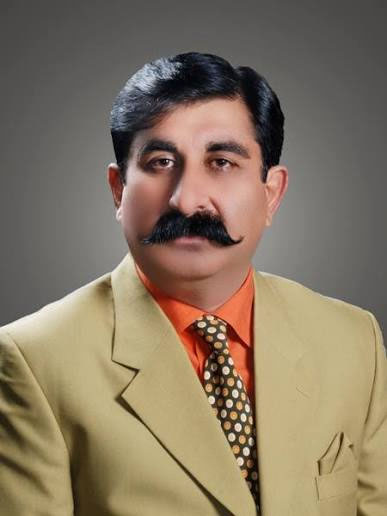
Naveed Aman Khan: On 5 August 2026, Pakistan will observe Yom-e-Istehsal (Day of Exploitation) to mark seven years since India revoked the special constitutional status of Indian Illegally Occupied Jammu and Kashmir (IIOJK) through the abrogation of Articles 370 and 35A of its Constitution. For Pakistan, the date is far more than a symbolic remembrance. It represents what Islamabad views as a watershed moment that fundamentally altered the political, demographic and constitutional character of the disputed territory in violation of international law and United Nations Security Council resolutions. Seven years later, the observance continues to serve as a reminder that, despite changing geopolitical priorities and shifting global alliances, the Kashmir dispute remains unresolved and continues to shape regional stability.

The events of 5 August 2019 marked an unprecedented departure from the internationally recognised status of Jammu and Kashmir. By dissolving the region`s limited autonomy, dividing it into federally administered territories and introducing new domicile laws, India sought to integrate the territory fully into its federal structure. Pakistan argues that these measures were unilateral and therefore incapable of altering the disputed status of Kashmir, which remains subject to UN resolutions calling for the people of Jammu and Kashmir to determine their own future through a free and impartial plebiscite.

Yom-e-Istehsal is not merely a political observance but an expression of Pakistan`s diplomatic narrative that the legal status of Kashmir cannot be changed through constitutional amendments or administrative decrees. Pakistan maintains that no domestic legislation enacted by India can override international commitments or extinguish the right of self-determination recognised under international law. This legal argument has remained the cornerstone of Pakistan`s Kashmir policy since 1947.

The humanitarian dimension occupies an equally central place in Pakistan`s position. Pakistan contends that the years following August 2019 have witnessed prolonged restrictions on civil liberties, tighter security measures, limitations on political activity, communication blackouts and restrictions affecting journalists and civil society organisations. Such policies have deepened alienation among Kashmiris rather than fostering peace or political reconciliation. The durable stability cannot emerge through security-centric governance alone but requires meaningful political engagement with the people of the region.

Another major concern highlighted by Pakistan is the issue of demographic transformation. Pakistan argues that changes to domicile regulations and land ownership policies could gradually alter the demographic composition of the Muslim-majority territory. Pakistani policymakers view such developments as an attempt to reshape the political future of the region before any internationally recognised settlement can take place. They contend that demographic engineering in disputed territories undermines both international humanitarian principles and the spirit of UN resolutions.

The observance of Yom-e-Istehsal also reflects Pakistan`s continued diplomatic campaign to keep Kashmir on the international agenda. Over the past seven years, Pakistan has consistently raised the issue at the United Nations, the Organisation of Islamic Cooperation and other multilateral forums. Although the international community has often responded cautiously, emphasising dialogue and regional stability rather than direct intervention, Islamabad believes sustained diplomatic engagement remains essential. For Pakistan, maintaining international attention is itself regarded as an important strategic objective in preventing the dispute from being normalised.

The Kashmir dispute cannot be viewed in isolation from broader regional security. Pakistan maintains that unresolved political conflicts remain among the principal obstacles to lasting peace in South Asia. Relations between the two nuclear-armed neighbours have remained strained, with diplomatic engagement largely suspended and confidence-building mechanisms weakened. In this environment, every security incident along the Line of Control carries the potential to escalate into a wider confrontation. Pakistan therefore argues that addressing the Kashmir dispute is not merely a bilateral concern but a regional security imperative.

The economic consequences are equally significant. Persistent hostility between Pakistan and India has constrained regional trade, cross-border connectivity and economic integration that could otherwise benefit nearly two billion people. Pakistan believes that sustainable regional development requires political normalisation, while political normalisation itself remains difficult without meaningful progress on Kashmir. Thus, the dispute continues to impose costs extending far beyond the valley itself.

Yom-e-Istehsal also serves a domestic purpose within Pakistan by reinforcing national unity around the Kashmir cause. Political parties, civil society organisations, educational institutions and the media use the occasion to express solidarity with the Kashmiri people. While political differences frequently dominate Pakistan`s internal landscape, Kashmir remains one of the few issues capable of generating broad national consensus. The annual observance therefore carries both symbolic and strategic significance for Pakistan`s domestic and foreign policy narratives.

At the same time, evolving global geopolitics presents new diplomatic challenges. Strategic competition among major powers, shifting economic priorities and expanding Indo-Pacific partnerships have altered international calculations regarding South Asia. India today occupies an increasingly significant position in global economic and strategic frameworks, making many countries reluctant to adopt positions that could complicate their bilateral relations with New Delhi. Pakistan consequently faces the difficult task of sustaining international attention on Kashmir in an increasingly crowded geopolitical environment. This reality underscores the importance of diplomacy that combines principled advocacy with constructive engagement.

Seven years after the constitutional changes of August 2019, Yom-e-Istehsal remains a powerful reminder that the Kashmir dispute has neither disappeared nor been resolved. From Pakistan`s perspective, the passage of time cannot legitimise unilateral actions or substitute for a negotiated political settlement. Islamabad continues to argue that peace in South Asia ultimately depends upon justice, dialogue and respect for internationally recognised principles rather than the consolidation of faits accomplis.

As Pakistan marks Yom-e-Istehsal on 5 August 2026, the occasion represents more than remembrance; it reflects Islamabad`s enduring commitment to its position on Kashmir and its call for the protection of the Kashmiri people`s right to self-determination. Whether the dispute moves towards resolution or remains frozen will depend not only on Pakistan and India but also on the willingness of the international community to encourage meaningful dialogue consistent with international law. Until a mutually acceptable and peaceful settlement is achieved, Kashmir is likely to remain the defining fault line of South Asian geopolitics, with profound implications for regional peace, security and human dignity.

The writer is Editor | International Affairs Expert | Book Ambassador | Columnist | Author of Several Books on International Affairs based in Islamabad, Pakistan.

amankhannaveed@gmail.com, X@AmanNaveed11


Share Button


A Handful of Dreams, A Generation of Struggles: A Half-Century Journey of the Bangladeshi Community in Australia
.............................................................................................
Convicted Fugitive on a Political Stage: Delhi’s Mindset and Dhaka’s Indignation
.............................................................................................
Beyond Borrowing: Why Bangladesh Must Build Its Economy on Domestic Revenue
.............................................................................................
The Political Economy of Banking: Cronyism, Capture, and the Cost of Reform
.............................................................................................
Seven Years After Article 370: Modi`s Kashmir Gamble Came at the Cost of Democracy
.............................................................................................
The Architecture of Ownership: Why Protecting Intellectual Property is Bangladesh’s Next Great Frontier
.............................................................................................
The Strait of Hormuz Crisis: The Limits of Military Power, the Imperative of Diplomacy, and the Emerging Global Order
.............................................................................................
Jammu & Kashmir and Abrogation of 370, 35A
.............................................................................................
Anwar Ibrahim’s diplomatic initiative: A new window of opportunity for resolving Rohingya Crisis
.............................................................................................
The historic role of Private University Students in the July Revolution
.............................................................................................
July Warriors: The spirit of revolution and road to a new Bangladesh
.............................................................................................
The Global Energy Landscape Is Transforming Through the Expansion of Clean Energy
.............................................................................................
“Independent Balochistan”: a Facebook fantasy made in India
.............................................................................................
Navigating the Forex Crisis: Devaluation, Import Pressures, and Bangladesh’s Path to Structural Recovery
.............................................................................................
Irregular Weather Patterns Increase Uncertainty in Rice Production
.............................................................................................
Flash Floods Intensify the Crisis of Climate-Displaced Communities
.............................................................................................
Bangladesh ICT: Rich talent, weak institutional mechanism
.............................................................................................
Kashmir’s July 13: Memory, Justice, and the Search for Peace
.............................................................................................
FIFA`s Stained Legacy: How Will It Erase the Shame of 2026?
.............................................................................................
Impossible Peace with the US and the only Option for Iran
.............................................................................................
Political Activism and Muslims’ Failures
.............................................................................................
Money Laundering in Islamic Banks: Is It Time to Rethink the Role of Shariah Boards?
.............................................................................................
Standing Beside People Affected by Natural Disasters Is Our Collective Moral Responsibility
.............................................................................................
Political Activism and the Failures of the Muslims
.............................................................................................
Delayed Settlement of Import Payments Could Damage Bangladesh’s Reputation in the Global Market
.............................................................................................
Bangladesh’s Economic Growth is Promising: Proactive Preparedness is Essential to Manage Future Risks
.............................................................................................
Arabic Language Practice in Bangladesh: A Gateway to New Global Opportunities
.............................................................................................
When a Vision Shapes a City: Leadership, Public Service, and the Future of Patuakhali
.............................................................................................
Bangladesh’s Mango: Exceptional in Taste and Aroma, Yet Lagging Behind in the Global Market
.............................................................................................
Palashi Day in National Consciousness: A Historical Warning
.............................................................................................
US–Iran Agreement: Prospects for Peace in the Middle East
.............................................................................................
Parliamentary Politics and Historical Inconsistencies: The Conflict Between Ideological Narratives and Biological Reality
.............................................................................................
A Good Budget Must Be Matched by Effective Implementation
.............................................................................................
The Unlimited Accumulation of Wealth by a Few Leads to the Poverty of Many
.............................................................................................
The Tears of Farmers Under the Grip of Middlemen: How Much Longer Must Market Reform Wait?
.............................................................................................
A Diplomatic Path to Resolving the Middle East Conflict
.............................................................................................
Bangladesh’s New Achievement on the World Stage: Honor Accompanied by Great Responsibility
.............................................................................................
No politics around Islami Bank; Let the focus be on reform
.............................................................................................
Failure to Make the Right Decisions Regarding Islamic Banks Could Trigger Political and Economic Instability
.............................................................................................
Justice must be ensured swiftly but through due process
.............................................................................................
Indian Muslims need to unite under a single banner
.............................................................................................
Qurbani: A Lesson in Humanity
.............................................................................................
Padma Barrage under Tarique Rahman’s Visionary Leadership: A New Chapter of Development and National Dignity
.............................................................................................
Lightning Season: From Fear to Preparedness and Prevention
.............................................................................................
Fuel Prices Surge, Markets in Turmoil: Inflation Strangles Everyday Life
.............................................................................................
The Pakistani Era of East Bengal & the Lost Opportunities of the Bengali Muslims
.............................................................................................
From Shiab Abi Talib to today: A long history of economic sanctions
.............................................................................................
Zinnat Ara Ifa: A Silent Force for Humanity
.............................................................................................
Hold Friends and Leave Foes
.............................................................................................
Low-profit policies are essential for local markets amid global crisis
.............................................................................................
Chief Advisor: Md. Tajul Islam,
Editor & Publisher Fatima Islam Tania and Printed from Bismillah Printing Press, 219, Fakirapul, Dhaka-1000
Editorial Office: 219, Fakirapul (1st Floor), Dhaka-1000.
Phone: 02-41070996, Mobile: 01720090514, E-mail: muslimtimes19@gmail.com
2022 @ All Right Reserved By www.themuslimtimes-bd.com