×
Home National Politics Business Bangladesh International Sports Entertainment Law & Justice More News Capital News Health Features Business Icon Technology Media Features Economy Education Literature Quran & Hadish Photo Gallery Editorial Religion Tours & Travels Tourism Guide Editors Corner Campus Youth Popular Organizations Country Wide Life Style Jobs Prism Notice History & Culture Messages Op-ed Wildlife Activities Foreign relation Accident Environment Asia Videoes Analysis Energy Book Reviews Literature Others KSA Arab World Cricket Football More Banking Corporate Global economy Real Estate Entrepreneur Start-up Telecom Summit Travel Art and Culture Food Book Fourth Estate View Letters to Editor Political Icon Diplomat Scholarship Career Job

Wednesday 12th of August 2026 E-paper
* এসএসসির ফল প্রকাশ, পাসের হার ৬২.২৫   * দেশের জনগণের ভাগ্য নিয়ে কাউকে ছিনিমিনি খেলতে দেওয়া হবে না : প্রধানমন্ত্রী   * কানাডায় ছড়িয়ে পড়েছে ভয়াবহ দাবানল, জরুরি অবস্থা জারি   * সালমান শাহ হত্যা মামলায় ডন গ্রেফতার   * ১০ বছরের জ্বালানি পরিকল্পনা সংসদে তুলে ধরবে সরকার : প্রধানমন্ত্রী   * Fascism beneficiaries not sitting idle, actively working to destabilise energy sector: PM   * শিক্ষা, স্বাস্থ্য ও জ্বালানি খাতকে স্বনির্ভর করার পরিকল্পনা নেওয়া হয়েছে : প্রধানমন্ত্রী   * ব্রাহ্মণবাড়িয়ায় পূর্ব বিরোধের জেরে দুই পক্ষের সংঘর্ষ, আহত অর্ধশতাধিক   * Houthi attacks kill 10 in Yemen as rebels target oil-rich Marib   * সিলেটে দুই বাসের সংঘর্ষে ৮ জন নিহত  
   Op-ed
  The Strait of Hormuz Crisis: The Limits of Military Power, the Imperative of Diplomacy, and the Emerging Global Order

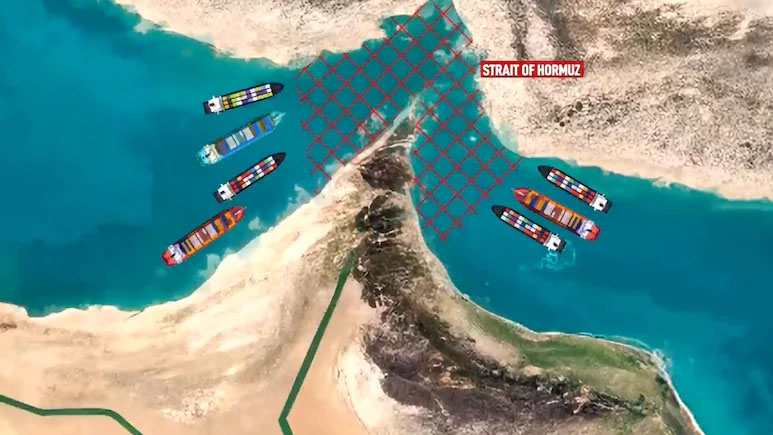
The Strait of Hormuz is far more than a maritime passage; it is one of the world’s most strategically significant geopolitical chokepoints. A substantial share of the world’s crude oil and liquefied natural gas exported from the Persian Gulf passes through this narrow waterway. Consequently, any instability in the Strait threatens not only regional security but also global energy supplies, international trade, inflation, and overall economic stability.


According to recent international media reports, U.S. President Donald Trump has called for a swift diplomatic settlement regarding the Strait of Hormuz rather than pursuing potential military action against Iran.


In international politics, states rarely make decisions based on emotion. Instead, they calculate potential gains and losses, strategic realities, and national interests. Regardless of a country’s military strength, the decision to wage war inevitably involves considerations of economic costs, regional repercussions, international public opinion, and long-term political consequences.


This perspective aligns closely with the Realist school of international relations. Contemporary realism argues that genuine strategic wisdom lies not merely in possessing military power but in employing it judiciously. When the anticipated costs and adverse consequences of war outweigh its expected benefits, diplomacy becomes the more rational strategic option.


Another important concept in understanding the Strait of Hormuz crisis is deterrence. Its fundamental principle is to convince a potential adversary that the costs of aggression would be prohibitively high. Many security analysts argue that Iran has spent decades developing a deterrence architecture based on ballistic missiles, drones, naval capabilities, and other asymmetric assets designed to make military confrontation exceptionally costly for its adversaries. While experts continue to debate the effectiveness of this strategy, it has become an established feature of the contemporary geopolitical landscape.


The position of the Gulf Arab states is equally significant. Their economies depend heavily on energy exports. A large-scale regional conflict would expose oil and gas infrastructure, commercial ports, and maritime trade routes to severe risks. Consequently, these states generally view diplomatic solutions as far more desirable than military escalation.


Nevertheless, careful restraint is essential when assessing the current crisis. Information circulating on social media or through political rhetoric cannot automatically be treated as factual. During international crises, information warfare often becomes an integral component of the conflict itself. Responsible journalism therefore requires evaluating developments on the basis of verifiable evidence, official statements, and credible research rather than accepting the claims of any single party as definitive truth.


The Strait of Hormuz crisis once again demonstrates that military power alone no longer determines outcomes in today’s world. Strategic decisions are increasingly shaped by the interaction of energy security, global supply chains, economic interdependence, and diplomatic calculations. Consequently, the critical question is no longer simply whether a state possesses military power, but when, where, and how it chooses to employ that power.


Understanding this changing reality requires moving beyond traditional conceptions of military strength and examining the political, economic, and strategic dimensions of modern warfare.


The nature of contemporary warfare has fundamentally evolved. Military superiority and political success are not necessarily synonymous. Although the United States has remained the world’s preeminent military power since the Second World War, the experiences of Vietnam, Iraq, and Afghanistan demonstrate that advanced technology and overwhelming military capability do not automatically guarantee the achievement of political objectives. As conflicts become prolonged, economic costs rise, domestic public opinion shifts, alliances weaken, and diplomatic dynamics evolve.


Within this context, the concept of asymmetric warfare is crucial to understanding Iran’s strategic doctrine. Rather than competing with superior powers through conventional military means, relatively weaker states often adopt strategies designed to increase the costs, complexity, and uncertainty of military intervention. Ballistic missiles, drones, fast attack craft, cyber capabilities, and the ability to exert pressure on critical maritime chokepoints all form part of this approach. Many international security analysts regard Iran’s defense strategy as a prominent example of this framework.


Indeed, the Strait of Hormuz is not merely a geographical location; it represents a strategic trap. Sustained instability in this narrow passage could disrupt global energy supplies, undermine maritime security, and generate widespread uncertainty in international markets. Consequently, any military planning concerning the Strait must consider not only battlefield objectives but also the broader implications for the global economy.


At the same time, it would be misleading to conclude that a single geopolitical crisis marks the beginning of the decline of any major power. History suggests that shifts in the global balance of power occur gradually rather than abruptly. International leadership is shaped by a combination of economic productivity, technological innovation, financial influence, alliance networks, and diplomatic capability.


Against this backdrop, the concept of soft power has become increasingly important. In today’s interconnected world, a state’s influence cannot be measured solely by its military capabilities. Educational excellence, technological leadership, cultural appeal, effective diplomacy, credibility in international institutions, and the ability to shape global public opinion have become equally significant sources of national power. Military force may initiate conflict, but it cannot by itself secure lasting political legitimacy. Ultimately, diplomacy remains indispensable.


Moreover, the international system is no longer unipolar. China’s economic rise, Russia’s renewed strategic activism, India’s expanding global influence, Pakistan’s growing diplomatic engagement, and the emergence of influential regional powers have collectively made international politics more complex and competitive. The world is gradually moving toward a multipolar order in which multiple centers of power increasingly shape global decision-making.


The Strait of Hormuz crisis vividly reflects this evolving reality. It illustrates how warfare, economics, energy security, diplomacy, and international law have become deeply interconnected. As a result, the consequences of military decisions extend far beyond the immediate parties to a conflict, affecting global markets, inflation, supply chains, and the domestic economies of countries across the world.


Perhaps the most important lesson from the current crisis is that, in the twenty-first century, a nation’s true strength lies not merely in the size of its arsenal but in its capacity to manage crises, exercise strategic patience, maintain economic resilience, and demonstrate effective diplomatic leadership.


The ongoing instability surrounding the Strait of Hormuz also carries important implications for Bangladesh. Although geographically distant from the region, Bangladesh’s energy imports, foreign trade, industrial production, and inflation remain closely linked to developments in global energy markets. Rising international oil prices inevitably increase electricity generation costs, transportation expenses, industrial production costs, and ultimately the cost of living for ordinary citizens.


In this context, Bangladesh’s foremost strategic challenge is to recognize energy security as an integral component of national security. Diversifying energy sources, investing in renewable energy, accelerating domestic gas exploration, building strategic petroleum reserves, and improving energy efficiency are no longer merely economic priorities—they have become strategic imperatives.


At the same time, Bangladesh would be well advised to avoid unnecessary alignment with any major power amid intensifying global strategic competition. Instead, it should continue to prioritize national interests, economic stability, balanced diplomacy, and regional peace.


The tendency to draw sweeping conclusions from rapidly unfolding international events often oversimplifies reality. In the twenty-first century, the true measure of a state’s strategic strength is not merely its ability to win wars, but its capacity to prevent conflicts, safeguard national interests, preserve economic stability, and earn international trust.


Md. Mukhlesur Rahman

Economist, Geopolitical Analyst, Social Thinker, and Human Rights Activist


Share Button


A Handful of Dreams, A Generation of Struggles: A Half-Century Journey of the Bangladeshi Community in Australia
.............................................................................................
Convicted Fugitive on a Political Stage: Delhi’s Mindset and Dhaka’s Indignation
.............................................................................................
Beyond Borrowing: Why Bangladesh Must Build Its Economy on Domestic Revenue
.............................................................................................
The Political Economy of Banking: Cronyism, Capture, and the Cost of Reform
.............................................................................................
Seven Years After Article 370: Modi`s Kashmir Gamble Came at the Cost of Democracy
.............................................................................................
The Architecture of Ownership: Why Protecting Intellectual Property is Bangladesh’s Next Great Frontier
.............................................................................................
The Strait of Hormuz Crisis: The Limits of Military Power, the Imperative of Diplomacy, and the Emerging Global Order
.............................................................................................
Jammu & Kashmir and Abrogation of 370, 35A
.............................................................................................
Anwar Ibrahim’s diplomatic initiative: A new window of opportunity for resolving Rohingya Crisis
.............................................................................................
The historic role of Private University Students in the July Revolution
.............................................................................................
July Warriors: The spirit of revolution and road to a new Bangladesh
.............................................................................................
The Global Energy Landscape Is Transforming Through the Expansion of Clean Energy
.............................................................................................
“Independent Balochistan”: a Facebook fantasy made in India
.............................................................................................
Navigating the Forex Crisis: Devaluation, Import Pressures, and Bangladesh’s Path to Structural Recovery
.............................................................................................
Irregular Weather Patterns Increase Uncertainty in Rice Production
.............................................................................................
Flash Floods Intensify the Crisis of Climate-Displaced Communities
.............................................................................................
Bangladesh ICT: Rich talent, weak institutional mechanism
.............................................................................................
Kashmir’s July 13: Memory, Justice, and the Search for Peace
.............................................................................................
FIFA`s Stained Legacy: How Will It Erase the Shame of 2026?
.............................................................................................
Impossible Peace with the US and the only Option for Iran
.............................................................................................
Political Activism and Muslims’ Failures
.............................................................................................
Money Laundering in Islamic Banks: Is It Time to Rethink the Role of Shariah Boards?
.............................................................................................
Standing Beside People Affected by Natural Disasters Is Our Collective Moral Responsibility
.............................................................................................
Political Activism and the Failures of the Muslims
.............................................................................................
Delayed Settlement of Import Payments Could Damage Bangladesh’s Reputation in the Global Market
.............................................................................................
Bangladesh’s Economic Growth is Promising: Proactive Preparedness is Essential to Manage Future Risks
.............................................................................................
Arabic Language Practice in Bangladesh: A Gateway to New Global Opportunities
.............................................................................................
When a Vision Shapes a City: Leadership, Public Service, and the Future of Patuakhali
.............................................................................................
Bangladesh’s Mango: Exceptional in Taste and Aroma, Yet Lagging Behind in the Global Market
.............................................................................................
Palashi Day in National Consciousness: A Historical Warning
.............................................................................................
US–Iran Agreement: Prospects for Peace in the Middle East
.............................................................................................
Parliamentary Politics and Historical Inconsistencies: The Conflict Between Ideological Narratives and Biological Reality
.............................................................................................
A Good Budget Must Be Matched by Effective Implementation
.............................................................................................
The Unlimited Accumulation of Wealth by a Few Leads to the Poverty of Many
.............................................................................................
The Tears of Farmers Under the Grip of Middlemen: How Much Longer Must Market Reform Wait?
.............................................................................................
A Diplomatic Path to Resolving the Middle East Conflict
.............................................................................................
Bangladesh’s New Achievement on the World Stage: Honor Accompanied by Great Responsibility
.............................................................................................
No politics around Islami Bank; Let the focus be on reform
.............................................................................................
Failure to Make the Right Decisions Regarding Islamic Banks Could Trigger Political and Economic Instability
.............................................................................................
Justice must be ensured swiftly but through due process
.............................................................................................
Indian Muslims need to unite under a single banner
.............................................................................................
Qurbani: A Lesson in Humanity
.............................................................................................
Padma Barrage under Tarique Rahman’s Visionary Leadership: A New Chapter of Development and National Dignity
.............................................................................................
Lightning Season: From Fear to Preparedness and Prevention
.............................................................................................
Fuel Prices Surge, Markets in Turmoil: Inflation Strangles Everyday Life
.............................................................................................
The Pakistani Era of East Bengal & the Lost Opportunities of the Bengali Muslims
.............................................................................................
From Shiab Abi Talib to today: A long history of economic sanctions
.............................................................................................
Zinnat Ara Ifa: A Silent Force for Humanity
.............................................................................................
Hold Friends and Leave Foes
.............................................................................................
Low-profit policies are essential for local markets amid global crisis
.............................................................................................
Chief Advisor: Md. Tajul Islam,
Editor & Publisher Fatima Islam Tania and Printed from Bismillah Printing Press, 219, Fakirapul, Dhaka-1000
Editorial Office: 219, Fakirapul (1st Floor), Dhaka-1000.
Phone: 02-41070996, Mobile: 01720090514, E-mail: muslimtimes19@gmail.com
2022 @ All Right Reserved By www.themuslimtimes-bd.com