| When a Vision Shapes a City: Leadership, Public Service, and the Future of Patuakhali |
| ............................................................................................. |
| Bangladesh’s Mango: Exceptional in Taste and Aroma, Yet Lagging Behind in the Global Market |
| ............................................................................................. |
| Palashi Day in National Consciousness: A Historical Warning |
| ............................................................................................. |
| US–Iran Agreement: Prospects for Peace in the Middle East |
| ............................................................................................. |
| Parliamentary Politics and Historical Inconsistencies: The Conflict Between Ideological Narratives and Biological Reality |
| ............................................................................................. |
| A Good Budget Must Be Matched by Effective Implementation |
| ............................................................................................. |
| The Unlimited Accumulation of Wealth by a Few Leads to the Poverty of Many |
| ............................................................................................. |
| The Tears of Farmers Under the Grip of Middlemen: How Much Longer Must Market Reform Wait? |
| ............................................................................................. |
| A Diplomatic Path to Resolving the Middle East Conflict |
| ............................................................................................. |
| Bangladesh’s New Achievement on the World Stage: Honor Accompanied by Great Responsibility |
| ............................................................................................. |
| No politics around Islami Bank; Let the focus be on reform |
| ............................................................................................. |
| Failure to Make the Right Decisions Regarding Islamic Banks Could Trigger Political and Economic Instability |
| ............................................................................................. |
| Justice must be ensured swiftly but through due process |
| ............................................................................................. |
| Indian Muslims need to unite under a single banner |
| ............................................................................................. |
| Qurbani: A Lesson in Humanity |
| ............................................................................................. |
| Padma Barrage under Tarique Rahman’s Visionary Leadership: A New Chapter of Development and National Dignity |
| ............................................................................................. |
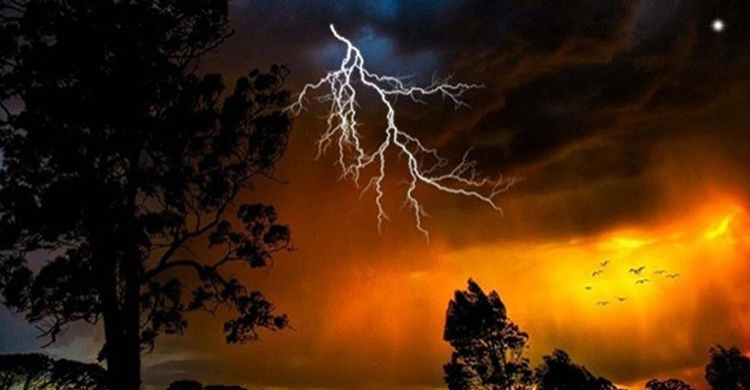
| Lightning Season: From Fear to Preparedness and Prevention |
| ............................................................................................. |
| Fuel Prices Surge, Markets in Turmoil: Inflation Strangles Everyday Life |
| ............................................................................................. |
| The Pakistani Era of East Bengal & the Lost Opportunities of the Bengali Muslims |
| ............................................................................................. |
| From Shiab Abi Talib to today: A long history of economic sanctions |
| ............................................................................................. |
| Zinnat Ara Ifa: A Silent Force for Humanity |
| ............................................................................................. |
| Hold Friends and Leave Foes |
| ............................................................................................. |
| Low-profit policies are essential for local markets amid global crisis |
| ............................................................................................. |
| Venice of the East Now a City at Risk: Silent Subsidence Threatens Barishal, Immediate Government Action Needed |
| ............................................................................................. |
| Unprovoked Aggression Sparks Regional Crisis: Iran Responds to US-Israeli Assault |
| ............................................................................................. |
| Iran War Sends Shockwaves Through Global Agriculture |
| ............................................................................................. |
| Fighting the Unhinged US Bully: Is It the Duty of Iran Only? |
| ............................................................................................. |
| Iran–US–Israel Conflict: Implications of the Energy Crisis in Bangladesh and Pathways for Solutions |
| ............................................................................................. |
| Failure in English Proficiency: Depth of the Crisis, Historical Context, and a Long-Term Path Forward |
| ............................................................................................. |
| The US War of War Crimes and Trump’s Empty Cry |
| ............................................................................................. |
| The US Mission of Genocide and Destruction in Iran |
| ............................................................................................. |
| The State of Occupational Health and Safety in Bangladesh |
| ............................................................................................. |
| Merit vs. Connections: The Invisible Politics of Workplace Promotions |
| ............................................................................................. |
| The US Shows its Power of Extreme Barbarity |
| ............................................................................................. |
| The Iranians are not Weaker than the Afghans: The Hope for the US Victory is Fading Quickly |
| ............................................................................................. |
| The Iranians are not Weaker than the Afghans: The Hope for the US Victory is Fading Quickly |
| ............................................................................................. |
| The Urgent Need for Restructuring the Geopolitical Map of the Ummah |
| ............................................................................................. |
| Pakistan’s Stance on Afghanistan: A Principled Approach Amid Rising Threats |
| ............................................................................................. |
| Benefits of “Yes” vote in Referendum |
| ............................................................................................. |
| Strategic Parliamentary Accommodation in Bangladesh |
| ............................................................................................. |
| Kashmir Solidarity Day — Pakistan’s Voice for Justice, Peace and Human Rights |
| ............................................................................................. |
| Social Reformer Nawab Sir Salimullah |
| ............................................................................................. |
| Sovereignty Hanging on Barbed Wire: The Felani Killing, Water Disputes, and the Long Shadow of Hegemony |
| ............................................................................................. |
| From Plassey to July: An Unbroken Journey of Shattering Chains |
| ............................................................................................. |
| Differences of Opinion Are Inevitable, but National Unity Is Bangladesh |
| ............................................................................................. |
| Begum Khaleda Zia’s Rise: A Journey from Domestic Life to Democratic Resistance |
| ............................................................................................. |
| Attacks on Christian Minorities in India During Christmas 2025- A rowing Human Rights Concern |
| ............................................................................................. |
| Sheikh Numan Reader calls for humanitarian vision from industrialists in fundraising for the Readford Foundation`s social welfare fund |
| ............................................................................................. |
| Anti-Bangladesh Narratives, Attacks on Diplomatic Missions, and the Imperative of National Awareness |
| ............................................................................................. |
| Sharif Osman Bin Hadi Killing: Massive Funeral Reflects Public Anger Against Indian Hegemony |
| ............................................................................................. |