×
Home National Politics Business Bangladesh International Sports Entertainment Law & Justice More News Capital News Health Features Business Icon Technology Media Features Economy Education Literature Quran & Hadish Photo Gallery Editorial Religion Tours & Travels Tourism Guide Editors Corner Campus Youth Popular Organizations Country Wide Life Style Jobs Prism Notice History & Culture Messages Op-ed Wildlife Activities Foreign relation Accident Environment Asia Videoes Analysis Energy Book Reviews Literature Others KSA Arab World Cricket Football More Banking Corporate Global economy Real Estate Entrepreneur Start-up Telecom Summit Travel Art and Culture Food Book Fourth Estate View Letters to Editor Political Icon Diplomat Scholarship Career Job

Tuesday 14th of July 2026 E-paper
* আমরা সর্বোচ্চ শক্তি দিয়ে উদ্যোক্তাদের পাশে থাকব: প্রধানমন্ত্রী   * PM urges youth to become entrepreneurs braving challenges   * এক মাসের মধ্যে সর্বোচ্চ জ্বালানি তেলের দাম   * প্রথমবার স্টার্টআপ ব্যর্থ হলে ও সম্ভাবনা থাকলে পরবর্তীতে অর্থ সহায়তা দেয়া হবে   * শিক্ষামন্ত্রীর পদত্যাগ দাবিতে সায়েন্সল্যাব মোড় অবরোধ   * কুতুবদিয়ায় মাছ ধরার ট্রলারডুবি, ৫ জেলের মৃত্যু   * বিস্তীর্ণ জঙ্গলে সেনা মহড়া ঘুরে দেখলেন প্রধানমন্ত্রী, দিলেন নির্দেশনা   * ১৭ বছরে ঢাকায় দ্বিতীয় সর্বোচ্চ বৃষ্টি   * সারা দেশে ২৫ কোটি গাছ রোপণ করা হবে: প্রধানমন্ত্রী   * PM holds meeting on waste-to-energy projects for Dhaka City  
   Op-ed
  Kashmir’s July 13: Memory, Justice, and the Search for Peace

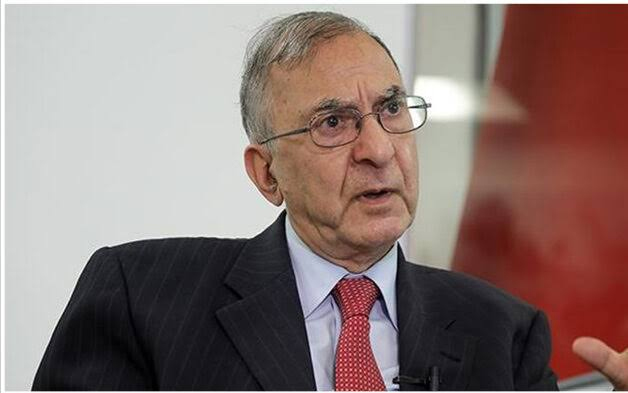
Dr. Ghulam Nabi Fai: Every nation has days that transcend the calendar. They become part of a people’s identity, reminding each generation of sacrifice, resilience, and the unfinished pursuit of justice. For millions of Kashmiris around the world, July 13 is such a day.

Ninety-five years after the events of July 13, 1931, the memory of those who lost their lives continues to define Kashmir’s political consciousness. Their sacrifice symbolizes, for many Kashmiris, the beginning of a modern movement seeking dignity, justice, and the right to determine their political future.

According to longstanding Kashmiri accounts, thousands gathered outside the Central Jail in Srinagar on July 13, 1931, during the trial of Abdul Qadeer. As the time for the Zuhr prayer approached, a man rose to call the Adhan. The Dogra administration’s forces opened fire on the crowd, leaving 22 Kashmiris dead. The victims were later buried beside the Shrine of Khwaja Bahawuddin Naqshband, where the site became known as Mazar-e-Shuhada—the Martyrs’ Graveyard.

For decades, July 13 was officially commemorated as Martyrs’ Day in Jammu and Kashmir. Following the constitutional changes of 2019, the Government of India removed it from the list of official public holidays. Yet history cannot be erased by administrative decisions. Kashmiris across the globe continue to observe the day as a solemn reminder of sacrifice and an enduring symbol of their collective memory.

I often recall a story shared with me by the late Ambassador Yusuf Buch, the distinguished Kashmiri-American diplomat who served as Adviser to the United Nations Secretary-General. As a nine-year-old boy, he and his elder brother, Amin Buch, visited one of the wounded protesters in a Srinagar hospital following the shootings. Ambassador Buch remembered the dying man’s final words:

“Aaseey niboou panin zimadari. Woin chou thuhund faraz aath madad karun.”

“We fulfilled our responsibility as best we could. Now it is your duty to carry the movement forward.”

Those words were not merely a farewell. They were a transfer of responsibility from one generation to the next. Today, that responsibility extends beyond Kashmir. It belongs to everyone who believes that lasting peace requires justice, dialogue, and respect for fundamental human rights.

Kashmiris also remember Robert Thorpe, the British traveler and writer whose fearless criticism of governance in nineteenth-century Kashmir earned him a lasting place in Kashmiri history. Through his writings, later published as Cashmere Misgovernment, Thorpe sought to draw international attention to the suffering of ordinary Kashmiris. His willingness to speak when many remained silent continues to resonate today.

Nearly eight decades after the partition of the Indian subcontinent, the Kashmir dispute remains unresolved. Generations have grown up amid conflict, militarization, political uncertainty, and recurring allegations of human rights abuses. Many Kashmiris argue that laws such as the Armed Forces (Special Powers) Act (AFSPA), the Public Safety Act (PSA), and the Unlawful Activities (Prevention) Act (UAPA) have contributed to a climate in which accountability is difficult to achieve. They also express concern that policies introduced since 2019 have fundamentally altered the political and demographic landscape of the region.

Whether one agrees with every aspect of these claims or not, one fact is beyond dispute: Kashmir remains one of the world’s longest unresolved political conflicts. Ignoring it has not resolved it. Silence has not produced peace.

The international community frequently speaks about defending the rules-based international order, protecting human rights, and resolving conflicts through peaceful means. Those principles should apply consistently, regardless of the size of a country’s economy, its strategic importance, or its geopolitical influence.

The question is not whether India is an important global partner. It unquestionably is. The question is whether strategic partnerships should diminish the international community’s willingness to encourage accountability, protect fundamental rights, and support meaningful dialogue. Principles carry weight only when they are applied consistently.

Many Kashmiris continue to look to the United Nations and influential governments, including the United States, to encourage constructive engagement among India, Pakistan, and representatives of the people of Kashmir. Sustainable peace cannot emerge from military measures alone. It requires political courage, genuine dialogue, and respect for the aspirations of those most directly affected by the conflict.

The martyrs of July 13 did not leave behind wealth or monuments. They left behind a moral legacy. Their sacrifice reminds us that history is ultimately shaped not only by power but also by the determination of ordinary people to pursue justice despite overwhelming odds.

Nearly a century after July 13, 1931, the voices of those who fell that day continue to echo across generations. Their sacrifice reminds us that history is not merely about the past—it is about the choices we make today. If the international community is sincere in its commitment to human rights, peaceful conflict resolution, and the rule of international law, then Kashmir cannot remain an exception. The martyrs of July 13 deserve remembrance, but the people of Kashmir deserve a future in which justice, dignity, and peace are no longer aspirations but realities.

May Allah (Subhanahu wa Ta’ala) accept the sacrifices of all those who lost their lives, grant comfort to their families, and bless the people of Kashmir with justice, peace, and a future built on dignity.

(The writer is Chairman of World Forum for Peace & Justice and can be reached at: WhatsApp: 1-202-607-6435 gnfai2003@yahoo.com)


Share Button


Kashmir’s July 13: Memory, Justice, and the Search for Peace
.............................................................................................
FIFA`s Stained Legacy: How Will It Erase the Shame of 2026?
.............................................................................................
Impossible Peace with the US and the only Option for Iran
.............................................................................................
Political Activism and Muslims’ Failures
.............................................................................................
Money Laundering in Islamic Banks: Is It Time to Rethink the Role of Shariah Boards?
.............................................................................................
Standing Beside People Affected by Natural Disasters Is Our Collective Moral Responsibility
.............................................................................................
Political Activism and the Failures of the Muslims
.............................................................................................
Delayed Settlement of Import Payments Could Damage Bangladesh’s Reputation in the Global Market
.............................................................................................
Bangladesh’s Economic Growth is Promising: Proactive Preparedness is Essential to Manage Future Risks
.............................................................................................
Arabic Language Practice in Bangladesh: A Gateway to New Global Opportunities
.............................................................................................
When a Vision Shapes a City: Leadership, Public Service, and the Future of Patuakhali
.............................................................................................
Bangladesh’s Mango: Exceptional in Taste and Aroma, Yet Lagging Behind in the Global Market
.............................................................................................
Palashi Day in National Consciousness: A Historical Warning
.............................................................................................
US–Iran Agreement: Prospects for Peace in the Middle East
.............................................................................................
Parliamentary Politics and Historical Inconsistencies: The Conflict Between Ideological Narratives and Biological Reality
.............................................................................................
A Good Budget Must Be Matched by Effective Implementation
.............................................................................................
The Unlimited Accumulation of Wealth by a Few Leads to the Poverty of Many
.............................................................................................
The Tears of Farmers Under the Grip of Middlemen: How Much Longer Must Market Reform Wait?
.............................................................................................
A Diplomatic Path to Resolving the Middle East Conflict
.............................................................................................
Bangladesh’s New Achievement on the World Stage: Honor Accompanied by Great Responsibility
.............................................................................................
No politics around Islami Bank; Let the focus be on reform
.............................................................................................
Failure to Make the Right Decisions Regarding Islamic Banks Could Trigger Political and Economic Instability
.............................................................................................
Justice must be ensured swiftly but through due process
.............................................................................................
Indian Muslims need to unite under a single banner
.............................................................................................
Qurbani: A Lesson in Humanity
.............................................................................................
Padma Barrage under Tarique Rahman’s Visionary Leadership: A New Chapter of Development and National Dignity
.............................................................................................
Lightning Season: From Fear to Preparedness and Prevention
.............................................................................................
Fuel Prices Surge, Markets in Turmoil: Inflation Strangles Everyday Life
.............................................................................................
The Pakistani Era of East Bengal & the Lost Opportunities of the Bengali Muslims
.............................................................................................
From Shiab Abi Talib to today: A long history of economic sanctions
.............................................................................................
Zinnat Ara Ifa: A Silent Force for Humanity
.............................................................................................
Hold Friends and Leave Foes
.............................................................................................
Low-profit policies are essential for local markets amid global crisis
.............................................................................................
Venice of the East Now a City at Risk: Silent Subsidence Threatens Barishal, Immediate Government Action Needed
.............................................................................................
Unprovoked Aggression Sparks Regional Crisis: Iran Responds to US-Israeli Assault
.............................................................................................
Iran War Sends Shockwaves Through Global Agriculture
.............................................................................................
Fighting the Unhinged US Bully: Is It the Duty of Iran Only?
.............................................................................................
Iran–US–Israel Conflict: Implications of the Energy Crisis in Bangladesh and Pathways for Solutions
.............................................................................................
Failure in English Proficiency: Depth of the Crisis, Historical Context, and a Long-Term Path Forward
.............................................................................................
The US War of War Crimes and Trump’s Empty Cry
.............................................................................................
The US Mission of Genocide and Destruction in Iran
.............................................................................................
The State of Occupational Health and Safety in Bangladesh
.............................................................................................
Merit vs. Connections: The Invisible Politics of Workplace Promotions
.............................................................................................
The US Shows its Power of Extreme Barbarity
.............................................................................................
The Iranians are not Weaker than the Afghans: The Hope for the US Victory is Fading Quickly
.............................................................................................
The Iranians are not Weaker than the Afghans: The Hope for the US Victory is Fading Quickly
.............................................................................................
The Urgent Need for Restructuring the Geopolitical Map of the Ummah
.............................................................................................
Pakistan’s Stance on Afghanistan: A Principled Approach Amid Rising Threats
.............................................................................................
Benefits of “Yes” vote in Referendum
.............................................................................................
Strategic Parliamentary Accommodation in Bangladesh
.............................................................................................
Chief Advisor: Md. Tajul Islam,
Editor & Publisher Fatima Islam Tania and Printed from Bismillah Printing Press, 219, Fakirapul, Dhaka-1000
Editorial Office: 219, Fakirapul (1st Floor), Dhaka-1000.
Phone: 02-41070996, Mobile: 01720090514, E-mail: muslimtimes19@gmail.com
2022 @ All Right Reserved By www.themuslimtimes-bd.com