×
Home National Politics Business Bangladesh International Sports Entertainment Law & Justice More News Capital News Health Features Business Icon Technology Media Features Economy Education Literature Quran & Hadish Photo Gallery Editorial Religion Tours & Travels Tourism Guide Editors Corner Campus Youth Popular Organizations Country Wide Life Style Jobs Prism Notice History & Culture Messages Op-ed Wildlife Activities Foreign relation Accident Environment Asia Videoes Analysis Energy Book Reviews Literature Others KSA Arab World Cricket Football More Banking Corporate Global economy Real Estate Entrepreneur Start-up Telecom Summit Travel Art and Culture Food Book Fourth Estate View Letters to Editor Political Icon Diplomat Scholarship Career Job

Tuesday 2nd of June 2026 E-paper
* Tofail Ahmed to be laid to rest in Bhola as per his wish   * Massive blast in Myanmar village kills 55   * Petrol, octane prices hiked by Tk 5 per litre   * Working people retuning capital after Eid vacation   * Trump asked for tougher terms in proposed Iran war deal: US media   * BGMEA claims over 94% RMG factories pay Eid bonuses, 99% clear Apr wages   * Fire breaks out at Kalshi slum   * Medium-sized cattle leading buyers’ choice in Dhaka haats   * 15 killed as truck overturns on Dhaka-Tangail highway   * Bangladesh advancing toward self-reliant energy system: PM  
   Op-ed
  Qurbani: A Lesson in Humanity

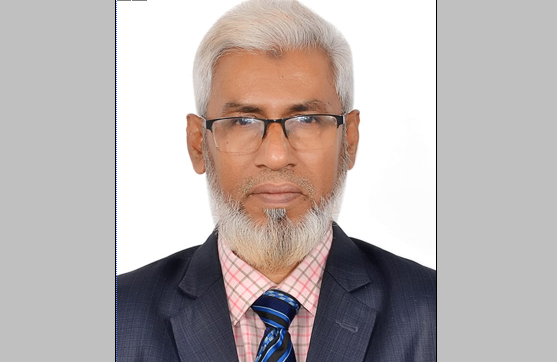
Dr. Dewan Azad Rahman: Qurbani is one of the great acts of worship in Islam and a deep moral lesson for human life. It is not merely a ceremony of slaughtering an animal; rather, it is a practical exercise in giving up one`s beloved things, ego, greed and selfishness for the pleasure of Allah. During Eid-ul-Azha, Muslim society rejoices, meets relatives, shares food and brings smiles to the faces of poor people. But the real beauty of this festival lies in inner taqwa, purity of intention and a sense of responsibility towards people. Qurbani reminds us that wealth is a gift from Allah, life is a trust from Allah, and the purpose of all our deeds should be to attain Allah`s pleasure.

The history of Qurbani is closely connected with the memory of the obedience and sacrifice of Prophet Ibrahim (A.) and Prophet Ismail (A.). Prophet Ibrahim (A.) bowed down his emotion, reasoning and family love before Allah`s command. Prophet Ismail (A.) gave an example of patience, obedience and faith. This event teaches that true faith is not merely a claim made by the tongue; true faith means giving priority to Allah`s command even in difficult situations. Thus, Qurbani is not only a remembrance of the past; it is also a living lesson for present life.

To Allah, outward splendour is not valuable; the purity of the heart is. Worship does not become greater simply because the sacrificial animal is big or expensive. Rather, intention, honesty and Allah-consciousness determine the value of worship. If Qurbani is performed for show, fame or social competition, its main lesson is lost. As in every deed, the aim of Qurbani should be to please Allah. This teaching beautifies a person`s private life and helps make society peaceful.

Qurbani teaches people the joy of giving. When people spend a part of their wealth for the poor, they understand that happiness is not only in personal enjoyment; it also lies in making others happy. Distribution of Qurbani meat is not merely an act of kindness; it is a practice of social justice. Qurbani places before us the responsibility that poor people should not be deprived of the joy of Eid. When the rich and the poor, relatives and neighbours, and known and unknown people share food and love, brotherhood, sympathy and mutual relationships become stronger in society.

In modern society, people are busy competing to acquire more, show more and accumulate more. Qurbani teaches that true honour does not lie in displaying wealth; it lies in character, generosity and taqwa. The belief that wealth is a trust from Allah teaches people to earn lawfully, spend honestly, avoid waste and fulfill the rights of the poor. Along with slaughtering an animal, one must also control the arrogance, jealousy, miserliness and selfishness within oneself. When people can suppress their evil instincts, peace is established in their personal lives, families and society.

In a densely populated country like Bangladesh, the teachings of Qurbani are even more important. Many people here live in economic hardship. Therefore, Qurbani can be a great opportunity for social support. If everyone distributes meat in a planned way, protects the dignity of poor people, keeps the environment clean and avoids unnecessary display, then Qurbani will create moral awakening in society. Cleaning blood, waste and dirt properly after Qurbani is a social and religious responsibility. Causing suffering to others or creating environmental pollution in the name of worship goes against the teachings of Qurbani.

The livelihood of many people - farmers, farm owners, traders, labourers and butchers - is connected with Qurbani. Therefore, honesty, fair prices, respect for labour and staying away from cheating are essential at this time. Selling sick animals, charging excessive prices, giving less in weight or withholding a worker`s wages are contrary to the ethics of Qurbani. Qurbani teaches us that worship is not limited to the mosque or the home; honesty must also be maintained in markets, transactions, labour and social relationships.

Qurbani can become a school of values for the young generation. Children and adolescents grow up watching the arrangements of Qurbani during Eid-ul-Azha. They need to be made to understand that Qurbani is not only a festival of joy or food; it is a lesson in obedience, kindness, sharing, cleanliness, honesty and humanity. If families, mosques, schools and society teach these lessons to the youth, they will grow up as more responsible citizens in the future. For the development of a country, skilled people alone are not enough; ethical people are also necessary.

Qurbani is also instructive in the field of communal harmony and social coexistence. Although this festival is an act of worship for Muslims, its human aspect is understandable to all. When we respectfully help non-Muslim neighbours, poor working people, street children or helpless elderly persons, mutual respect increases in society. Bangladesh is a country of people of many religions, languages and cultures. Therefore, the teaching of Qurbani never creates division; rather, it calls people to the path of kindness, courtesy and cooperation. Remaining conscious so that the joy of the festival does not become a cause of fear, annoyance or inconvenience for anyone is also a teaching of Qurbani.

For the welfare of humanity, Qurbani is a great ideal. It teaches us self-sacrifice, Allah-consciousness, compassion, equality, brotherhood, cleanliness and social responsibility. Just as sacrificing an animal on the day of Qurbani is an act of worship, trying to remove people`s suffering is also a great act of worship. If we understand the essence of Qurbani and apply it in our lives, an environment of love, justice, kindness and cooperation will be created in society. Qurbani reminds us that human greatness lies not in wealth but in sacrifice; not in power but in service; not in words but in deeds. Therefore, by accepting the true teaching of Qurbani, each of us should engage ourselves in the welfare of humanity.

Author: Researcher and Essayist

e-mail: azad2069@gmail.com


Share Button


Failure to Make the Right Decisions Regarding Islamic Banks Could Trigger Political and Economic Instability
.............................................................................................
Justice must be ensured swiftly but through due process
.............................................................................................
Indian Muslims need to unite under a single banner
.............................................................................................
Qurbani: A Lesson in Humanity
.............................................................................................
Padma Barrage under Tarique Rahman’s Visionary Leadership: A New Chapter of Development and National Dignity
.............................................................................................
Lightning Season: From Fear to Preparedness and Prevention
.............................................................................................
Fuel Prices Surge, Markets in Turmoil: Inflation Strangles Everyday Life
.............................................................................................
The Pakistani Era of East Bengal & the Lost Opportunities of the Bengali Muslims
.............................................................................................
From Shiab Abi Talib to today: A long history of economic sanctions
.............................................................................................
Zinnat Ara Ifa: A Silent Force for Humanity
.............................................................................................
Hold Friends and Leave Foes
.............................................................................................
Low-profit policies are essential for local markets amid global crisis
.............................................................................................
Venice of the East Now a City at Risk: Silent Subsidence Threatens Barishal, Immediate Government Action Needed
.............................................................................................
Unprovoked Aggression Sparks Regional Crisis: Iran Responds to US-Israeli Assault
.............................................................................................
Iran War Sends Shockwaves Through Global Agriculture
.............................................................................................
Fighting the Unhinged US Bully: Is It the Duty of Iran Only?
.............................................................................................
Iran–US–Israel Conflict: Implications of the Energy Crisis in Bangladesh and Pathways for Solutions
.............................................................................................
Failure in English Proficiency: Depth of the Crisis, Historical Context, and a Long-Term Path Forward
.............................................................................................
The US War of War Crimes and Trump’s Empty Cry
.............................................................................................
The US Mission of Genocide and Destruction in Iran
.............................................................................................
The State of Occupational Health and Safety in Bangladesh
.............................................................................................
Merit vs. Connections: The Invisible Politics of Workplace Promotions
.............................................................................................
The US Shows its Power of Extreme Barbarity
.............................................................................................
The Iranians are not Weaker than the Afghans: The Hope for the US Victory is Fading Quickly
.............................................................................................
The Iranians are not Weaker than the Afghans: The Hope for the US Victory is Fading Quickly
.............................................................................................
The Urgent Need for Restructuring the Geopolitical Map of the Ummah
.............................................................................................
Pakistan’s Stance on Afghanistan: A Principled Approach Amid Rising Threats
.............................................................................................
Benefits of “Yes” vote in Referendum
.............................................................................................
Strategic Parliamentary Accommodation in Bangladesh
.............................................................................................
Kashmir Solidarity Day — Pakistan’s Voice for Justice, Peace and Human Rights
.............................................................................................
Social Reformer Nawab Sir Salimullah
.............................................................................................
Sovereignty Hanging on Barbed Wire: The Felani Killing, Water Disputes, and the Long Shadow of Hegemony
.............................................................................................
From Plassey to July: An Unbroken Journey of Shattering Chains
.............................................................................................
Differences of Opinion Are Inevitable, but National Unity Is Bangladesh
.............................................................................................
Begum Khaleda Zia’s Rise: A Journey from Domestic Life to Democratic Resistance
.............................................................................................
Attacks on Christian Minorities in India During Christmas 2025- A rowing Human Rights Concern
.............................................................................................
Sheikh Numan Reader calls for humanitarian vision from industrialists in fundraising for the Readford Foundation`s social welfare fund
.............................................................................................
Anti-Bangladesh Narratives, Attacks on Diplomatic Missions, and the Imperative of National Awareness
.............................................................................................
Sharif Osman Bin Hadi Killing: Massive Funeral Reflects Public Anger Against Indian Hegemony
.............................................................................................
Modi`s Image Crisis and the Challenge to Bangladesh`s Sovereignty
.............................................................................................
Islam, Human Dignity and LGBTQ Rights: New Questions of Justice, Diversity and Peace in the Upcoming Elections in Bangladesh
.............................................................................................
Women should be the bearer of the look, in 2025
.............................................................................................
Deconstructing the Razakar Narrative: Jamaat-e-Islami and the Politics of 1971
.............................................................................................
The Forgotten Genocide That Still Haunts Kashmir
.............................................................................................
Kashmir: The Worlds Unfinished Promise
.............................................................................................
The Promise Still Owed to Kashmir
.............................................................................................
Religious Education, Human Values, and Fundamental Human Rights of Children in Brothels
.............................................................................................
Muraqabah in the Perspective of Public Health and Global Health
.............................................................................................
Saint Radiant with the Light of Humanity Shah Sufi Khwaja Faizuddin
.............................................................................................
Analyst Tajusl Islams Opinions: Authorities should refrain from burning down valuable fishing nets
.............................................................................................
Chief Advisor: Md. Tajul Islam,
Editor & Publisher Fatima Islam Tania and Printed from Bismillah Printing Press, 219, Fakirapul, Dhaka-1000
Editorial Office: 219, Fakirapul (1st Floor), Dhaka-1000.
Phone: 02-41070996, Mobile: 01720090514, E-mail: muslimtimes19@gmail.com
2022 @ All Right Reserved By www.themuslimtimes-bd.com