×
Home National Politics Business Bangladesh International Sports Entertainment Law & Justice More News Capital News Health Features Business Icon Technology Media Features Economy Education Literature Quran & Hadish Photo Gallery Editorial Religion Tours & Travels Tourism Guide Editors Corner Campus Youth Popular Organizations Country Wide Life Style Jobs Prism Notice History & Culture Messages Op-ed Wildlife Activities Foreign relation Accident Environment Asia Videoes Analysis Energy Book Reviews Literature Others KSA Arab World Cricket Football More Banking Corporate Global economy Real Estate Entrepreneur Start-up Telecom Summit Travel Art and Culture Food Book Fourth Estate View Letters to Editor Political Icon Diplomat Scholarship Career Job

Wednesday 9th of September 2026 E-paper
* ‘ডেঙ্গুর পিক সময় আসছে সেপ্টেম্বরের শেষ ও অক্টোবরের শুরুতে’   * Adani airport business to raise $1 billion through stake sale   * পাওনা পরিশোধ করলে চেকের মামলায় কারাদণ্ড নয়: হাইকোর্ট   * ৪৮ ঘণ্টার মধ্যে বঙ্গোসাগরে লঘুচাপ সৃষ্টির আভাস   * চট্টগ্রামে এক সপ্তাহেই ডেঙ্গু আক্রান্ত পাঁচ শতাধিক   * বৈশ্বিক সব সমস্যার সমাধান হয়ত হবে না, তবে চেষ্টায় কোনো ঘাটতি থাকবে না: খলিলুর রহমান   * সৌদিতে সড়ক দুর্ঘটনায় চার বাংলাদেশি নিহত   * বাঁধনের ওপর হামলায় জড়িতদের আমরা ছাড়বো না: জাহেদ উর রহমান   * রাষ্ট্রপতির সঙ্গে ভারতীয় হাইকমিশনারের সাক্ষাৎ   * কুমিল্লায় বাস খাদে পড়ে মেডিকেল কলেজের ২০ শিক্ষার্থী আহত  
   Op-ed
  Delayed Settlement of Import Payments Could Damage Bangladesh’s Reputation in the Global Market

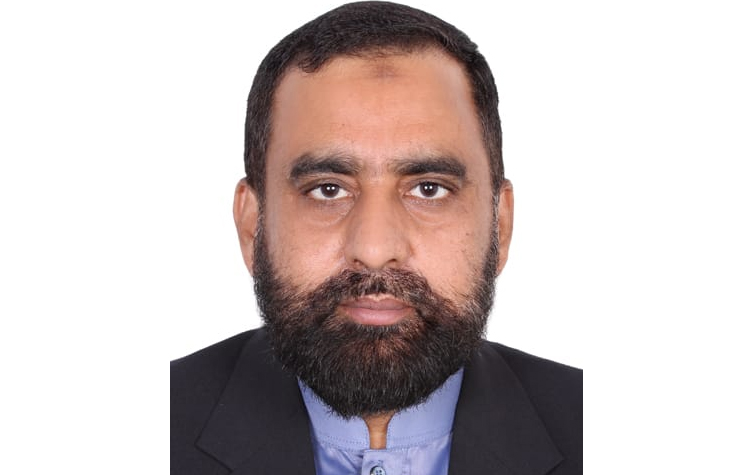
Md. Mukhlesur Rahman: Bangladesh’s economy has become increasingly integrated with the global economy over the past decades. While exports of ready-made garments, pharmaceuticals, leather products, agricultural goods, and information technology services have expanded significantly, imports of industrial raw materials, energy, consumer goods, machinery, and technology-based products have also grown manifold. In this environment of deep interdependence, credibility and trust have become among Bangladesh’s most valuable assets in international trade.

It is widely understood that a country’s reputation in global commerce is not determined solely by the volume of its exports. Rather, it depends on its ability to honor contractual obligations, make timely payments, maintain an efficient banking system, and uphold financial commitments. When a foreign exporter ships goods to a Bangladeshi importer, the exporter places trust not only in the importing company but also in the country’s financial system. If that trust is undermined, the commercial reputation of the entire nation may suffer.

Recently, concerns have been raised by various business associations, international suppliers, and media outlets regarding significant delays in the settlement of payments for imported goods in certain cases. Different explanations have been put forward, including shortages of foreign exchange, banking complexities, administrative delays, and, in some instances, unethical attempts by importers to retain funds for financial gain. Although these problems do not affect every transaction, the overall trend has the potential to create serious concern among Bangladesh’s international trading partners.

One of the fundamental principles of business is that trust takes years to build but only a short time to lose. Bangladeshi businesses have spent decades establishing credibility in international markets, and that hard-earned reputation should not be placed at risk. A country’s financial discipline and payment culture directly influence its creditworthiness, the acceptability of Letters of Credit (LCs), suppliers’ confidence in receiving payments on time, and foreign investors’ willingness to engage in future business.

In today’s global trading environment, if Bangladesh gains a reputation for delayed payments or is perceived as a high-risk market, the consequences could be far-reaching. Foreign suppliers may demand advance payments, impose stricter Letter of Credit requirements, increase the cost of trade financing, or become reluctant to establish new business relationships with Bangladeshi companies. Such developments would inevitably have adverse effects on industrial production, employment, and the domestic consumer market.

At the same time, it is important to maintain a balanced perspective. Bangladesh, like many other countries, has faced significant macroeconomic challenges in recent years, including pressure on foreign exchange reserves, global economic uncertainty, rising US dollar exchange rates, increased international shipping costs, and geopolitical instability. These factors have contributed to delays in some payment settlements. Nevertheless, regardless of the underlying causes, maintaining transparent communication with international partners, demonstrating accountability, and fulfilling financial obligations as promptly as possible remain the most effective ways to preserve confidence.

Bangladesh’s economy has now reached a stage where its reputation itself has become an important economic asset. Protecting that asset is a shared responsibility of the government, the central bank, commercial banks, and the private sector. Once confidence in a country’s financial reliability is weakened, rebuilding it can be a long, difficult, and costly process.

Bangladesh still possesses tremendous economic potential. To translate that potential into sustainable success, the country must further strengthen its position as a reliable, responsible, and trustworthy partner in the international financial and trading system. Avoiding unnecessary delays in settling import payments and ensuring transparent, efficient, and timely financial management will be among the essential prerequisites for achieving that objective.

Md. Mukhlesur Rahman

Economist, International Trade Researcher, and Social Thinker.


Share Button


The Legacy of a Mountain of Debt: A Record in Repayment, a Test in Reducing Liabilities
.............................................................................................
Strong Local Government: The Pillar and Driving Force of Development
.............................................................................................
Climate Change: The Silent Threat to Bangladesh’s Economy
.............................................................................................
A New Dawn for Bangladesh’s Energy Security
.............................................................................................
One Crore Jobs: Bangladesh’s Demographic Dividend Is Running Out of Time
.............................................................................................
A Glorious Chronicle: 65 Years of Government Laboratory High School
.............................................................................................
BNP’s Four Decades in Theoretical Light: History, Achievements, and the Dawn of a New Era
.............................................................................................
Nepal’s Vulnerability: The Anguish of a Bangladeshi Vice-Chancellor in Somalia
.............................................................................................
The Golden Fiber at a Crossroads: Temporary Export Gains or Sustainable Economic Transformation?
.............................................................................................
Two Generations, one Baul Soul: A Father and Son`s journey through Music
.............................................................................................
Rebuilding the Economy: What the Government’s First 180 Days Really Mean
.............................................................................................
The Presidential Election and Article 70 of the Constitution: An Unbiased Theoretical Analysis
.............................................................................................
The Silent Thief
.............................................................................................
Children`s right to Childhood
.............................................................................................
Can Ending the Unregulated Sale of Tobacco on Watercraft Ensure Tobacco-Free Water Transport?
.............................................................................................
Begom Khaleda Zia, the Beacon of Democracy: A Birthday Tribute
.............................................................................................
Shifting Politics and the Equations of Power
.............................................................................................
A Handful of Dreams, A Generation of Struggles: A Half-Century Journey of the Bangladeshi Community in Australia
.............................................................................................
Convicted Fugitive on a Political Stage: Delhi’s Mindset and Dhaka’s Indignation
.............................................................................................
Beyond Borrowing: Why Bangladesh Must Build Its Economy on Domestic Revenue
.............................................................................................
The Political Economy of Banking: Cronyism, Capture, and the Cost of Reform
.............................................................................................
Seven Years After Article 370: Modi`s Kashmir Gamble Came at the Cost of Democracy
.............................................................................................
The Architecture of Ownership: Why Protecting Intellectual Property is Bangladesh’s Next Great Frontier
.............................................................................................
The Strait of Hormuz Crisis: The Limits of Military Power, the Imperative of Diplomacy, and the Emerging Global Order
.............................................................................................
Jammu & Kashmir and Abrogation of 370, 35A
.............................................................................................
Anwar Ibrahim’s diplomatic initiative: A new window of opportunity for resolving Rohingya Crisis
.............................................................................................
The historic role of Private University Students in the July Revolution
.............................................................................................
July Warriors: The spirit of revolution and road to a new Bangladesh
.............................................................................................
The Global Energy Landscape Is Transforming Through the Expansion of Clean Energy
.............................................................................................
“Independent Balochistan”: a Facebook fantasy made in India
.............................................................................................
Navigating the Forex Crisis: Devaluation, Import Pressures, and Bangladesh’s Path to Structural Recovery
.............................................................................................
Irregular Weather Patterns Increase Uncertainty in Rice Production
.............................................................................................
Flash Floods Intensify the Crisis of Climate-Displaced Communities
.............................................................................................
Bangladesh ICT: Rich talent, weak institutional mechanism
.............................................................................................
Kashmir’s July 13: Memory, Justice, and the Search for Peace
.............................................................................................
FIFA`s Stained Legacy: How Will It Erase the Shame of 2026?
.............................................................................................
Impossible Peace with the US and the only Option for Iran
.............................................................................................
Political Activism and Muslims’ Failures
.............................................................................................
Money Laundering in Islamic Banks: Is It Time to Rethink the Role of Shariah Boards?
.............................................................................................
Standing Beside People Affected by Natural Disasters Is Our Collective Moral Responsibility
.............................................................................................
Political Activism and the Failures of the Muslims
.............................................................................................
Delayed Settlement of Import Payments Could Damage Bangladesh’s Reputation in the Global Market
.............................................................................................
Bangladesh’s Economic Growth is Promising: Proactive Preparedness is Essential to Manage Future Risks
.............................................................................................
Arabic Language Practice in Bangladesh: A Gateway to New Global Opportunities
.............................................................................................
When a Vision Shapes a City: Leadership, Public Service, and the Future of Patuakhali
.............................................................................................
Bangladesh’s Mango: Exceptional in Taste and Aroma, Yet Lagging Behind in the Global Market
.............................................................................................
Palashi Day in National Consciousness: A Historical Warning
.............................................................................................
US–Iran Agreement: Prospects for Peace in the Middle East
.............................................................................................
Parliamentary Politics and Historical Inconsistencies: The Conflict Between Ideological Narratives and Biological Reality
.............................................................................................
A Good Budget Must Be Matched by Effective Implementation
.............................................................................................
Chief Advisor: Md. Tajul Islam,
Editor & Publisher Fatima Islam Tania and Printed from Bismillah Printing Press, 219, Fakirapul, Dhaka-1000
Editorial Office: 219, Fakirapul (1st Floor), Dhaka-1000.
Phone: 02-41070996, Mobile: 01720090514, E-mail: muslimtimes19@gmail.com
2022 @ All Right Reserved By www.themuslimtimes-bd.com