×
Home National Politics Business Bangladesh International Sports Entertainment Law & Justice More News Capital News Health Features Business Icon Technology Media Features Economy Education Literature Quran & Hadish Photo Gallery Editorial Religion Tours & Travels Tourism Guide Editors Corner Campus Youth Popular Organizations Country Wide Life Style Jobs Prism Notice History & Culture Messages Op-ed Wildlife Activities Foreign relation Accident Environment Asia Videoes Analysis Energy Book Reviews Literature Others KSA Arab World Cricket Football More Banking Corporate Global economy Real Estate Entrepreneur Start-up Telecom Summit Travel Art and Culture Food Book Fourth Estate View Letters to Editor Political Icon Diplomat Scholarship Career Job

Tuesday 8th of September 2026 E-paper
* সৌদিতে সড়ক দুর্ঘটনায় চার বাংলাদেশি নিহত   * বাঁধনের ওপর হামলায় জড়িতদের আমরা ছাড়বো না: জাহেদ উর রহমান   * রাষ্ট্রপতির সঙ্গে ভারতীয় হাইকমিশনারের সাক্ষাৎ   * কুমিল্লায় বাস খাদে পড়ে মেডিকেল কলেজের ২০ শিক্ষার্থী আহত   * বড়পুকুরিয়ার কয়লায় নতুন বিদ্যুৎকেন্দ্র নির্মাণের নির্দেশ প্রধানমন্ত্রীর   * ইতালিতে অভিনেত্রী বাঁধনকে হেনস্তার অভিযোগ   * PM seeks Japan’s special envoy’s role for Rohingya repatriation   * পাবনায় বিএনপি নেতাকে গুলি ও কুপিয়ে হত্যা   * অটোরিকশার জন্য আসছে কিউআর কোড-ডিজিটাল ট্র্যাকিং   * জ্বালানি সংকট বিগত সরকারের ভুল নীতি ও দুর্নীতির ফসল  
   Op-ed
  Shifting Politics and the Equations of Power

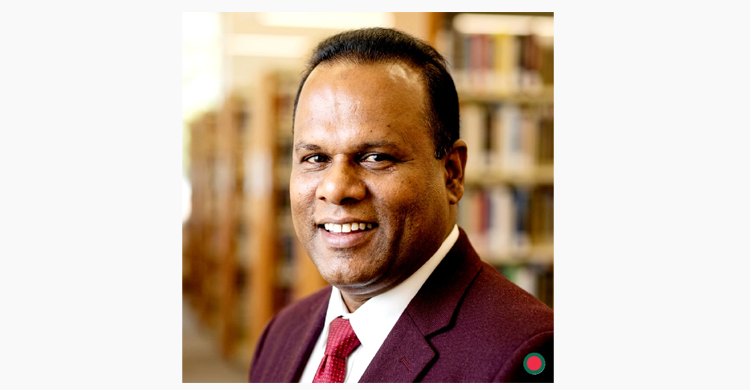
Prof. Dr. Asif Mizan

The student-led mass uprising of August 5, 2024, did more than just topple a government—it reshuffled the deck for Bangladesh`s political class. In the aftermath, major parties have scrambled to redraw alliances and reposition themselves. From fierce debates over who should occupy the presidency to the quiet unraveling of long-standing coalitions, what we are witnessing is a deep, psychological shift in the country’s power dynamics. To make sense of it all, we have to look past the public statements and examine these moves through the cold, practical lens of realpolitik.

1. The Presidency: Civil Society’s Ambitions vs. Hard Politics

When discussions turned to filling the presidency, BNP Secretary General Mirza Fakhrul Islam Alamgir was naturally in the conversation. At the same time, prominent civil society figures and smaller political groups floated the name of Nobel laureate Dr. Muhammad Yunus. The idea was appealing on paper: install a universally respected, non-partisan figure to act as a bridge for a divided nation.

Yet, despite the high-minded intentions, the proposal never made it past the discussion stage, constrained by the need for constitutional continuity and practical governance. It was a textbook lesson in political reality—noble, theory-driven ideas from civil society usually give way to the hard-nosed structural interests of established political parties.

2. Symbolic Resistance and Strategic Leverage

When the 11-party alliance led by Jamaat and the NCP nominated Bir Bikrom Colonel (Retd.) Oli Ahmad for president, no one realistically expected him to win. But winning wasn`t the point.

In political science, this is what we call "symbolic resistance" and a display of bargaining power. By putting forward a high-profile candidate, the coalition sent a clear signal to the bigger players: we exist, we have leverage, and we won`t be sidelined. It was a calculated psychological move to carve out bargaining space ahead of the next general election.

3. Ideology Takes a Back Seat to Survival

The sight of Colonel Oli Ahmad—a veteran freedom fighter, close associate of the late President Ziaur Rahman, and a founding member of the BNP—teaming up with a Jamaat-leaning bloc seems like a bizarre contradiction. But analyzing his trajectory purely through an ideological lens misses the mark.

This move wasn`t about changing core beliefs; it was about political survival. After years of internal party feuds and feeling pushed to the margins, joining a different alliance offered a way to stay relevant. His shift highlights a timeless truth of realpolitik: when push comes to shove, staying in the game matters far more than ideological purity.

4. Reinvention and the Search for political space

A similar story played out with Advocate Fazlur Rahman, a former Chhatra League president and freedom fighter, who made the leap from the Awami League to the BNP. Years of top-heavy control and internal party sidelining often force seasoned leaders to look for alternatives.

For Mr. Rahman, jumping ship was a matter of self-preservation and personal political freedom. It proves that when long-standing party structures no longer offer room to operate, leaders will prioritize their own political survival over old party loyalties.

5. Tactical Distancing and Image Rebranding

At a recent rally in Chattogram, Prime Minister Tarique Rahman, MP, turned heads by launching a sharp critique of Jamaat-e-Islami. He brought up historical grievances, calling out their anti-liberation stance in 1971, their political moves in 1986, and what he termed a breach of trust in 1996.

To an outsider, hearing this after two decades of formal coalition partnership sounds hypocritical. In the world of realpolitik, however, it makes complete sense. Parties regularly reshape their public brand to adapt to changing power dynamics and project a better image to international observers. By drawing a clear boundary and taking a tougher stance, Prime Minister Tarique Rahman, MP, is actively rebranding his party for a new political era.

6. The Irresistible Pull of Grassroots Mobilization

Prime Minister Tarique Rahman’s visit to Hathazari and his meeting with Hefazat-e-Islam chief Babunagari were a stark reminder of where real grassroots power sits. Faith-based voting blocs and organized religious networks remain a massive force in Bangladeshi politics.

Much like previous administrations that sought stability by making peace with Qawmi-madrasa centers of influence, today’s political leadership is following the exact same playbook. Because these networks command large, disciplined followings that can sway elections and impact street-level stability, no major party can afford to ignore them.

7. Local Elections: A Rebound or a Flashpoint?

With senior Awami League leaders facing legal proceedings and the party`s future up in the air, talks about their potential participation in upcoming local government elections have raised the stakes.

On one hand, running in local contests gives the Awami League a chance to rebuild its grassroots base from the ground up. On the other hand, doing so risks sparking intense pushback from rival parties and angering an already tense public. How this plays out will be a major test for the country`s law and order and overall political stability.

The Bottom Line

The current state of Bangladeshi politics isn`t driven by grand ideological debates. It is driven by fluid strategies, shifting self-interests, and a constant tug-of-war for balance. Alliances will form, break, and reform, and yesterday`s partners will easily become tomorrow`s rivals whenever it serves a practical purpose.

While these pragmatic maneuvers win short-term political battles, they won`t build a stable country on their own. If Bangladesh is to achieve lasting democracy and good governance, its leaders must eventually look beyond transactional politics and deliver the deep institutional reforms the public is demanding.

(The writer is Vice-Chancellor of Daaru Salaam University, Somalia, and an analyst specializing in politics, human rights, governance, and criminology.)


Share Button


Strong Local Government: The Pillar and Driving Force of Development
.............................................................................................
Climate Change: The Silent Threat to Bangladesh’s Economy
.............................................................................................
A New Dawn for Bangladesh’s Energy Security
.............................................................................................
One Crore Jobs: Bangladesh’s Demographic Dividend Is Running Out of Time
.............................................................................................
A Glorious Chronicle: 65 Years of Government Laboratory High School
.............................................................................................
BNP’s Four Decades in Theoretical Light: History, Achievements, and the Dawn of a New Era
.............................................................................................
Nepal’s Vulnerability: The Anguish of a Bangladeshi Vice-Chancellor in Somalia
.............................................................................................
The Golden Fiber at a Crossroads: Temporary Export Gains or Sustainable Economic Transformation?
.............................................................................................
Two Generations, one Baul Soul: A Father and Son`s journey through Music
.............................................................................................
Rebuilding the Economy: What the Government’s First 180 Days Really Mean
.............................................................................................
The Presidential Election and Article 70 of the Constitution: An Unbiased Theoretical Analysis
.............................................................................................
The Silent Thief
.............................................................................................
Children`s right to Childhood
.............................................................................................
Can Ending the Unregulated Sale of Tobacco on Watercraft Ensure Tobacco-Free Water Transport?
.............................................................................................
Begom Khaleda Zia, the Beacon of Democracy: A Birthday Tribute
.............................................................................................
Shifting Politics and the Equations of Power
.............................................................................................
A Handful of Dreams, A Generation of Struggles: A Half-Century Journey of the Bangladeshi Community in Australia
.............................................................................................
Convicted Fugitive on a Political Stage: Delhi’s Mindset and Dhaka’s Indignation
.............................................................................................
Beyond Borrowing: Why Bangladesh Must Build Its Economy on Domestic Revenue
.............................................................................................
The Political Economy of Banking: Cronyism, Capture, and the Cost of Reform
.............................................................................................
Seven Years After Article 370: Modi`s Kashmir Gamble Came at the Cost of Democracy
.............................................................................................
The Architecture of Ownership: Why Protecting Intellectual Property is Bangladesh’s Next Great Frontier
.............................................................................................
The Strait of Hormuz Crisis: The Limits of Military Power, the Imperative of Diplomacy, and the Emerging Global Order
.............................................................................................
Jammu & Kashmir and Abrogation of 370, 35A
.............................................................................................
Anwar Ibrahim’s diplomatic initiative: A new window of opportunity for resolving Rohingya Crisis
.............................................................................................
The historic role of Private University Students in the July Revolution
.............................................................................................
July Warriors: The spirit of revolution and road to a new Bangladesh
.............................................................................................
The Global Energy Landscape Is Transforming Through the Expansion of Clean Energy
.............................................................................................
“Independent Balochistan”: a Facebook fantasy made in India
.............................................................................................
Navigating the Forex Crisis: Devaluation, Import Pressures, and Bangladesh’s Path to Structural Recovery
.............................................................................................
Irregular Weather Patterns Increase Uncertainty in Rice Production
.............................................................................................
Flash Floods Intensify the Crisis of Climate-Displaced Communities
.............................................................................................
Bangladesh ICT: Rich talent, weak institutional mechanism
.............................................................................................
Kashmir’s July 13: Memory, Justice, and the Search for Peace
.............................................................................................
FIFA`s Stained Legacy: How Will It Erase the Shame of 2026?
.............................................................................................
Impossible Peace with the US and the only Option for Iran
.............................................................................................
Political Activism and Muslims’ Failures
.............................................................................................
Money Laundering in Islamic Banks: Is It Time to Rethink the Role of Shariah Boards?
.............................................................................................
Standing Beside People Affected by Natural Disasters Is Our Collective Moral Responsibility
.............................................................................................
Political Activism and the Failures of the Muslims
.............................................................................................
Delayed Settlement of Import Payments Could Damage Bangladesh’s Reputation in the Global Market
.............................................................................................
Bangladesh’s Economic Growth is Promising: Proactive Preparedness is Essential to Manage Future Risks
.............................................................................................
Arabic Language Practice in Bangladesh: A Gateway to New Global Opportunities
.............................................................................................
When a Vision Shapes a City: Leadership, Public Service, and the Future of Patuakhali
.............................................................................................
Bangladesh’s Mango: Exceptional in Taste and Aroma, Yet Lagging Behind in the Global Market
.............................................................................................
Palashi Day in National Consciousness: A Historical Warning
.............................................................................................
US–Iran Agreement: Prospects for Peace in the Middle East
.............................................................................................
Parliamentary Politics and Historical Inconsistencies: The Conflict Between Ideological Narratives and Biological Reality
.............................................................................................
A Good Budget Must Be Matched by Effective Implementation
.............................................................................................
The Unlimited Accumulation of Wealth by a Few Leads to the Poverty of Many
.............................................................................................
Chief Advisor: Md. Tajul Islam,
Editor & Publisher Fatima Islam Tania and Printed from Bismillah Printing Press, 219, Fakirapul, Dhaka-1000
Editorial Office: 219, Fakirapul (1st Floor), Dhaka-1000.
Phone: 02-41070996, Mobile: 01720090514, E-mail: muslimtimes19@gmail.com
2022 @ All Right Reserved By www.themuslimtimes-bd.com