×
Home National Politics Business Bangladesh International Sports Entertainment Law & Justice More News Capital News Health Features Business Icon Technology Media Features Economy Education Literature Quran & Hadish Photo Gallery Editorial Religion Tours & Travels Tourism Guide Editors Corner Campus Youth Popular Organizations Country Wide Life Style Jobs Prism Notice History & Culture Messages Op-ed Wildlife Activities Foreign relation Accident Environment Asia Videoes Analysis Energy Book Reviews Literature Others KSA Arab World Cricket Football More Banking Corporate Global economy Real Estate Entrepreneur Start-up Telecom Summit Travel Art and Culture Food Book Fourth Estate View Letters to Editor Political Icon Diplomat Scholarship Career Job

Tuesday 8th of September 2026 E-paper
* সৌদিতে সড়ক দুর্ঘটনায় চার বাংলাদেশি নিহত   * বাঁধনের ওপর হামলায় জড়িতদের আমরা ছাড়বো না: জাহেদ উর রহমান   * রাষ্ট্রপতির সঙ্গে ভারতীয় হাইকমিশনারের সাক্ষাৎ   * কুমিল্লায় বাস খাদে পড়ে মেডিকেল কলেজের ২০ শিক্ষার্থী আহত   * বড়পুকুরিয়ার কয়লায় নতুন বিদ্যুৎকেন্দ্র নির্মাণের নির্দেশ প্রধানমন্ত্রীর   * ইতালিতে অভিনেত্রী বাঁধনকে হেনস্তার অভিযোগ   * PM seeks Japan’s special envoy’s role for Rohingya repatriation   * পাবনায় বিএনপি নেতাকে গুলি ও কুপিয়ে হত্যা   * অটোরিকশার জন্য আসছে কিউআর কোড-ডিজিটাল ট্র্যাকিং   * জ্বালানি সংকট বিগত সরকারের ভুল নীতি ও দুর্নীতির ফসল  
   Op-ed
  BNP’s Four Decades in Theoretical Light: History, Achievements, and the Dawn of a New Era

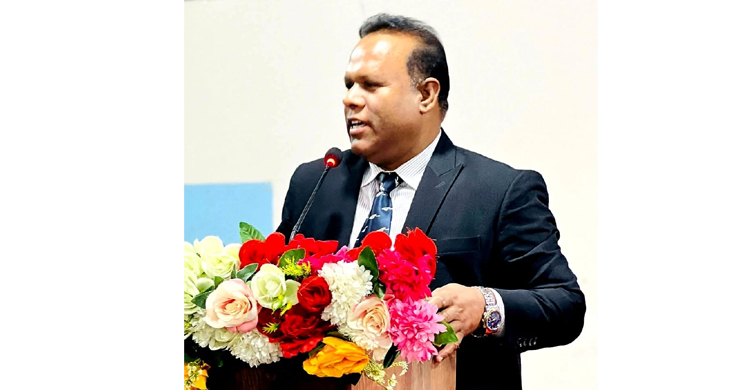
By Prof. Dr. Asif Mizan

Vice-Chancellor, Daarul Salaam University, Somalia, and Specialist in Criminology, Governance, and Human Rights

For over four decades, the Bangladesh Nationalist Party (BNP) has served as a central driving force in the nation’s political landscape. Emerged on September 1, 1978, during a complex historic juncture, the party`s genesis, political philosophy, and governance record offer a rich subject for objective political analysis. Writing on institutional longevity in Democracy in America, French philosopher Alexis de Tocqueville noted, "An institution is the lengthened shadow of one man, but its durability depends on how it captures the spirit of its times." This principle resonates closely with the BNP’s enduring footprint in Bangladesh.

Genesis and Historical Context

Following the pivotal political shifts of 1975, Bangladesh faced structural instability. The then Army Chief and subsequent President, Ziaur Rahman, initiated a deliberate demilitarization process, recognizing that long-term stability required a legitimate civilian political framework. This led to the formation of the Nationalist Democratic Party (JAGDAL) in February 1978, followed by the Nationalist Front—a broad coalition representing diverse ideological spectrums—and ultimately the formal founding of the BNP on September 1, 1978.

From a theoretical perspective, the BNP was born out of political syncretism, uniting leftist, rightist, and centrist factions. Political scientist Samuel P. Huntington, in Political Order in Changing Societies, stressed the necessity of political institutionalization during periods of rapid social transformation. Through Huntington`s lens, Ziaur Rahman’s initiative was a successful institutional effort to transition a fragmented political landscape into a structured, stable system.

Ideological Foundations: Bangladeshi Nationalism

The bedrock of the BNP`s philosophy is "Bangladeshi Nationalism." Distinct from language-centric Bengali nationalism, Bangladeshi nationalism defines identity through territorial sovereignty, incorporating all citizens regardless of ethnicity, religion, or background. In political theory, this reflects "State Nationalism."

Sociologist Benedict Anderson famously conceptualized the nation as an "imagined community." Aligning with Anderson`s framework, Bangladeshi nationalism created an inclusive, territory-based identity designed to unite a pluralistic society. Beyond identity politics, the party`s founding tenets prioritized multi-party democracy, open-market economic reforms, and state recognition of religious and cultural pluralism.

Leadership Evolution and Political Resilience

A political party`s endurance depends on its capacity to navigate adversity and execute leadership transitions. After the assassination of founder Ziaur Rahman in 1981, the party faced an existential crisis. Begum Khaleda Zia subsequently assumed leadership, restructuring the party and consolidating its popular base over the following decades.

In contemporary history, the party’s organizational cohesion was sustained through years of political pressure under the leadership of Prime Minister Tarique Rahman. Managing party operations from exile, his strategic direction culminated in the party securing a two-thirds landslide majority in the February 12, 2026 general election. Leadership expert John C. Maxwell observed, "A leader is one who knows the way, goes the way, and shows the way." This milestone marks a transition from a period of political struggle to a phase focused on governance and policy execution.

Economic and Diplomatic Milestones

The party’s periods in government introduced key structural and economic reforms:

Free-Market Transition: Under Ziaur Rahman, Bangladesh laid the groundwork for an open-market economy, facilitating the birth of the Readymade Garment (RMG) sector and formalizing overseas labor export—two primary pillars of modern Bangladeshi remittances and GDP.

Regional Diplomacy: The conceptualization and establishment of the South Asian Association for Regional Cooperation (SAARC) under Ziaur Rahman established a framework for multilateral regional diplomacy.

Human Capital Investments: Under Begum Khaleda Zia, the administration introduced compulsory primary education and stipends for female secondary students. These initiatives align with Nobel laureate Amartya Sen’s framework in Development as Freedom, which posits that expanding female education directly enhances social mobility and economic capability.

Governance Framework for the New Era

With a distinct electoral mandate, the current administration under Prime Minister Tarique Rahman faces the structural challenge of institutional reform, economic stabilization, and reinforcing the rule of law. Adapting to 21st-century realities—including technological integration, shifting demographic expectations, and institutional accountability—requires a modern governance narrative.

Quoting Jawaharlal Nehru`s Tryst with Destiny address: "The achievement we celebrate today is but a step, an opening of opportunity, to the greater triumphs and achievements that await us." For the BNP, this moment presents an avenue to implement systemic reforms, strengthen institutional integrity, and secure long-term democratic stability. As Winston Churchill noted, "The price of greatness is responsibility." The current era will ultimately be defined by how effectively theoretical policy models are translated into transparent governance and sustainable development.


Share Button


Strong Local Government: The Pillar and Driving Force of Development
.............................................................................................
Climate Change: The Silent Threat to Bangladesh’s Economy
.............................................................................................
A New Dawn for Bangladesh’s Energy Security
.............................................................................................
One Crore Jobs: Bangladesh’s Demographic Dividend Is Running Out of Time
.............................................................................................
A Glorious Chronicle: 65 Years of Government Laboratory High School
.............................................................................................
BNP’s Four Decades in Theoretical Light: History, Achievements, and the Dawn of a New Era
.............................................................................................
Nepal’s Vulnerability: The Anguish of a Bangladeshi Vice-Chancellor in Somalia
.............................................................................................
The Golden Fiber at a Crossroads: Temporary Export Gains or Sustainable Economic Transformation?
.............................................................................................
Two Generations, one Baul Soul: A Father and Son`s journey through Music
.............................................................................................
Rebuilding the Economy: What the Government’s First 180 Days Really Mean
.............................................................................................
The Presidential Election and Article 70 of the Constitution: An Unbiased Theoretical Analysis
.............................................................................................
The Silent Thief
.............................................................................................
Children`s right to Childhood
.............................................................................................
Can Ending the Unregulated Sale of Tobacco on Watercraft Ensure Tobacco-Free Water Transport?
.............................................................................................
Begom Khaleda Zia, the Beacon of Democracy: A Birthday Tribute
.............................................................................................
Shifting Politics and the Equations of Power
.............................................................................................
A Handful of Dreams, A Generation of Struggles: A Half-Century Journey of the Bangladeshi Community in Australia
.............................................................................................
Convicted Fugitive on a Political Stage: Delhi’s Mindset and Dhaka’s Indignation
.............................................................................................
Beyond Borrowing: Why Bangladesh Must Build Its Economy on Domestic Revenue
.............................................................................................
The Political Economy of Banking: Cronyism, Capture, and the Cost of Reform
.............................................................................................
Seven Years After Article 370: Modi`s Kashmir Gamble Came at the Cost of Democracy
.............................................................................................
The Architecture of Ownership: Why Protecting Intellectual Property is Bangladesh’s Next Great Frontier
.............................................................................................
The Strait of Hormuz Crisis: The Limits of Military Power, the Imperative of Diplomacy, and the Emerging Global Order
.............................................................................................
Jammu & Kashmir and Abrogation of 370, 35A
.............................................................................................
Anwar Ibrahim’s diplomatic initiative: A new window of opportunity for resolving Rohingya Crisis
.............................................................................................
The historic role of Private University Students in the July Revolution
.............................................................................................
July Warriors: The spirit of revolution and road to a new Bangladesh
.............................................................................................
The Global Energy Landscape Is Transforming Through the Expansion of Clean Energy
.............................................................................................
“Independent Balochistan”: a Facebook fantasy made in India
.............................................................................................
Navigating the Forex Crisis: Devaluation, Import Pressures, and Bangladesh’s Path to Structural Recovery
.............................................................................................
Irregular Weather Patterns Increase Uncertainty in Rice Production
.............................................................................................
Flash Floods Intensify the Crisis of Climate-Displaced Communities
.............................................................................................
Bangladesh ICT: Rich talent, weak institutional mechanism
.............................................................................................
Kashmir’s July 13: Memory, Justice, and the Search for Peace
.............................................................................................
FIFA`s Stained Legacy: How Will It Erase the Shame of 2026?
.............................................................................................
Impossible Peace with the US and the only Option for Iran
.............................................................................................
Political Activism and Muslims’ Failures
.............................................................................................
Money Laundering in Islamic Banks: Is It Time to Rethink the Role of Shariah Boards?
.............................................................................................
Standing Beside People Affected by Natural Disasters Is Our Collective Moral Responsibility
.............................................................................................
Political Activism and the Failures of the Muslims
.............................................................................................
Delayed Settlement of Import Payments Could Damage Bangladesh’s Reputation in the Global Market
.............................................................................................
Bangladesh’s Economic Growth is Promising: Proactive Preparedness is Essential to Manage Future Risks
.............................................................................................
Arabic Language Practice in Bangladesh: A Gateway to New Global Opportunities
.............................................................................................
When a Vision Shapes a City: Leadership, Public Service, and the Future of Patuakhali
.............................................................................................
Bangladesh’s Mango: Exceptional in Taste and Aroma, Yet Lagging Behind in the Global Market
.............................................................................................
Palashi Day in National Consciousness: A Historical Warning
.............................................................................................
US–Iran Agreement: Prospects for Peace in the Middle East
.............................................................................................
Parliamentary Politics and Historical Inconsistencies: The Conflict Between Ideological Narratives and Biological Reality
.............................................................................................
A Good Budget Must Be Matched by Effective Implementation
.............................................................................................
The Unlimited Accumulation of Wealth by a Few Leads to the Poverty of Many
.............................................................................................
Chief Advisor: Md. Tajul Islam,
Editor & Publisher Fatima Islam Tania and Printed from Bismillah Printing Press, 219, Fakirapul, Dhaka-1000
Editorial Office: 219, Fakirapul (1st Floor), Dhaka-1000.
Phone: 02-41070996, Mobile: 01720090514, E-mail: muslimtimes19@gmail.com
2022 @ All Right Reserved By www.themuslimtimes-bd.com