×
Home National Politics Business Bangladesh International Sports Entertainment Law & Justice More News Capital News Health Features Business Icon Technology Media Features Economy Education Literature Quran & Hadish Photo Gallery Editorial Religion Tours & Travels Tourism Guide Editors Corner Campus Youth Popular Organizations Country Wide Life Style Jobs Prism Notice History & Culture Messages Op-ed Wildlife Activities Foreign relation Accident Environment Asia Videoes Analysis Energy Book Reviews Literature Others KSA Arab World Cricket Football More Banking Corporate Global economy Real Estate Entrepreneur Start-up Telecom Summit Travel Art and Culture Food Book Fourth Estate View Letters to Editor Political Icon Diplomat Scholarship Career Job

Sunday 14th of June 2026 E-paper
* চট্টগ্রাম-কক্সবাজার মহাসড়ক দ্রুত ৬ লেনে উন্নীত করা হবে : প্রধানমন্ত্রী   * Thai princess dies aged 47 after three years in hospital: palace   * Trump pulls back on Iran strike threats amid signs of diplomatic progress   * Hwang in-beom inspires South Korea’s 2-1 comeback victory over the Czech Republic   * PM unveils commemorative stamp marking FIFA World Cup   * `Central theme of this year`s budget is inclusion of every citizen`   * Proposed budget approved in Cabinet meeting   * US launches strikes on Iran after Apache helicopter shot down   * Iran says Gulf nations have `responsibility` to halt US, Israeli strikes   * Govt to procure 10,000 MT lentils to stabilize market prices  
   Op-ed
  The Tears of Farmers Under the Grip of Middlemen: How Much Longer Must Market Reform Wait?

Bangladesh’s farmers, fish growers, and small-scale producers constitute one of the fundamental pillars of the national economy. The country’s food security, rural economy, and a significant portion of industrial raw materials depend on their labor, sweat, and risk-taking. Yet, paradoxically, despite being the most crucial stakeholders in the production process, they often receive the smallest share of the profits. Instead, middlemen operating at various levels of the supply chain capitalize on their intermediary position between producers and consumers, capturing a disproportionate share of the gains. As a result, producers are deprived of fair prices, while consumers are forced to pay inflated costs. This contradiction represents a long-standing structural weakness in Bangladesh’s agricultural marketing system—one that now demands urgent and effective reform.

Every year, we witness the same troubling scenario. The prices of potatoes, onions, tomatoes, chilies, and other seasonal vegetables frequently collapse below production costs. Farmers are often compelled to sell tomatoes at just 5 or 6 taka per kilogram in the field, only to see the same produce sold in urban markets a few hours later for 30 or 40 taka—or even more. Similar patterns are evident in the markets for milk, eggs, fish, and fruits. Such vast disparities between producer and consumer prices are not indicative of a healthy market economy; rather, they reveal weaknesses, inefficiencies, and excessive dependence on intermediaries within the supply chain.

One of the root causes of this problem is the limited bargaining power of farmers. Most farmers in Bangladesh are smallholders with restricted production capacity, limited capital, and little to no access to storage facilities. After harvesting, they often lack the means to preserve their produce for an extended period. Pressed by the need to repay loans, support their families, and prepare for the next cultivation season, they are forced to sell quickly. This vulnerability is exploited by traders, brokers, commission agents, and other intermediaries who purchase products at low prices during harvest seasons and later sell them at significantly higher prices, earning substantial profits.

To be fair, intermediaries are not inherently unnecessary. Transportation, storage, logistics, and distribution services are essential components of any modern supply chain. Problems arise, however, when the number of intermediary layers becomes excessive and certain groups acquire disproportionate control over the market. In many cases, agricultural products pass through four or five different hands before reaching consumers. At each stage, prices increase, yet only a negligible portion of that added value returns to the producer.

Even more concerning are the frequent allegations of market syndicates and price manipulation. Artificial shortages are sometimes created to drive prices upward, while producers are forced to sell their goods at abnormally low prices during harvest seasons. Such practices undermine fair competition and harm both producers and consumers. In a properly functioning market, prices should be determined by supply and demand. In reality, however, influential groups often play a decisive role in setting market prices to serve their own interests.

Responsibility for this situation cannot be placed solely on dishonest market actors. The state must also engage in serious self-reflection. More than five decades after independence, Bangladesh has yet to establish a modern, technology-driven, and producer-friendly agricultural marketing infrastructure. Many regions still lack adequate cold storage facilities, modern warehouses, efficient collection centers, and reliable transportation networks. Consequently, farmers are denied the opportunity to hold their products until market conditions become favorable.

In many countries around the world, agricultural cooperatives play a vital role in marketing farm products. Through cooperative-based systems, producers can sell directly to wholesalers, retailers, or even consumers, thereby reducing the number of intermediaries and ensuring fairer returns. Bangladesh has a long history of cooperative movements, yet this potential has not been fully harnessed in agricultural marketing. The time has come to revisit and strengthen this approach.

At the same time, greater use of digital technology is essential. Online agricultural marketplaces, digital auction platforms, and direct producer-to-consumer networks can significantly enhance transparency. Farmers would gain access to real-time market information and better understand where they can secure the best prices for their products. Consumers, in turn, would be able to see how much of the price they pay actually reaches the producer.

The government must also adopt a more proactive role in monitoring agricultural markets. Agencies responsible for consumer protection, competition oversight, and market regulation should move beyond periodic enforcement drives and focus on long-term structural reforms. Regular data collection and public disclosure regarding price movements, supply chain costs, and abnormal profit margins at different stages of the marketing process are essential for promoting transparency and accountability.

It is important to recognize that ensuring fair prices for farmers is not merely an economic issue; it is a matter of social justice, food security, and sustainable development. If farmers repeatedly suffer losses, many may abandon agriculture altogether. The consequences would extend far beyond individual households, affecting national production, food supplies, and the broader economy.

Bangladesh is steadily progressing toward middle-income status. We take pride in the country’s achievements across various development indicators. Yet such progress cannot be considered complete if the farmers who safeguard our food security are denied fair compensation for their labor. Establishing a balance between the interests of producers and consumers, reducing the undue influence of middlemen, and building a transparent and competitive market system are no longer optional policy goals—they are fundamental responsibilities of the state.

Ensuring that the value of farmers’ hard work is not swallowed by excessive intermediary profits should be among policymakers’ highest priorities. For when farmers thrive, agriculture prospers; and when agriculture prospers, the foundations of the nation’s economy and food security remain strong and resilient.

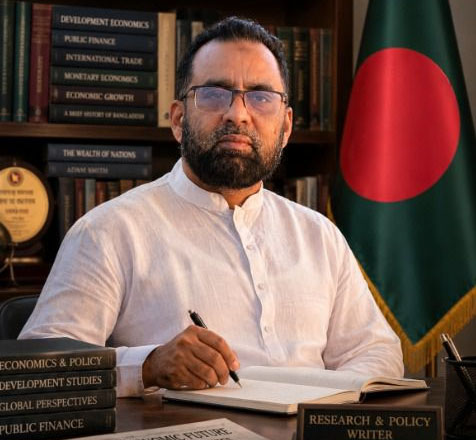
Md. Mukhlesur Rahman
Agricultural Entrepreneur, Economist, Social Thinker, and Human Rights Activist
mukhles1975@gmail.com


Share Button


A Good Budget Must Be Matched by Effective Implementation
.............................................................................................
The Unlimited Accumulation of Wealth by a Few Leads to the Poverty of Many
.............................................................................................
The Tears of Farmers Under the Grip of Middlemen: How Much Longer Must Market Reform Wait?
.............................................................................................
A Diplomatic Path to Resolving the Middle East Conflict
.............................................................................................
Bangladesh’s New Achievement on the World Stage: Honor Accompanied by Great Responsibility
.............................................................................................
No politics around Islami Bank; Let the focus be on reform
.............................................................................................
Failure to Make the Right Decisions Regarding Islamic Banks Could Trigger Political and Economic Instability
.............................................................................................
Justice must be ensured swiftly but through due process
.............................................................................................
Indian Muslims need to unite under a single banner
.............................................................................................
Qurbani: A Lesson in Humanity
.............................................................................................
Padma Barrage under Tarique Rahman’s Visionary Leadership: A New Chapter of Development and National Dignity
.............................................................................................
Lightning Season: From Fear to Preparedness and Prevention
.............................................................................................
Fuel Prices Surge, Markets in Turmoil: Inflation Strangles Everyday Life
.............................................................................................
The Pakistani Era of East Bengal & the Lost Opportunities of the Bengali Muslims
.............................................................................................
From Shiab Abi Talib to today: A long history of economic sanctions
.............................................................................................
Zinnat Ara Ifa: A Silent Force for Humanity
.............................................................................................
Hold Friends and Leave Foes
.............................................................................................
Low-profit policies are essential for local markets amid global crisis
.............................................................................................
Venice of the East Now a City at Risk: Silent Subsidence Threatens Barishal, Immediate Government Action Needed
.............................................................................................
Unprovoked Aggression Sparks Regional Crisis: Iran Responds to US-Israeli Assault
.............................................................................................
Iran War Sends Shockwaves Through Global Agriculture
.............................................................................................
Fighting the Unhinged US Bully: Is It the Duty of Iran Only?
.............................................................................................
Iran–US–Israel Conflict: Implications of the Energy Crisis in Bangladesh and Pathways for Solutions
.............................................................................................
Failure in English Proficiency: Depth of the Crisis, Historical Context, and a Long-Term Path Forward
.............................................................................................
The US War of War Crimes and Trump’s Empty Cry
.............................................................................................
The US Mission of Genocide and Destruction in Iran
.............................................................................................
The State of Occupational Health and Safety in Bangladesh
.............................................................................................
Merit vs. Connections: The Invisible Politics of Workplace Promotions
.............................................................................................
The US Shows its Power of Extreme Barbarity
.............................................................................................
The Iranians are not Weaker than the Afghans: The Hope for the US Victory is Fading Quickly
.............................................................................................
The Iranians are not Weaker than the Afghans: The Hope for the US Victory is Fading Quickly
.............................................................................................
The Urgent Need for Restructuring the Geopolitical Map of the Ummah
.............................................................................................
Pakistan’s Stance on Afghanistan: A Principled Approach Amid Rising Threats
.............................................................................................
Benefits of “Yes” vote in Referendum
.............................................................................................
Strategic Parliamentary Accommodation in Bangladesh
.............................................................................................
Kashmir Solidarity Day — Pakistan’s Voice for Justice, Peace and Human Rights
.............................................................................................
Social Reformer Nawab Sir Salimullah
.............................................................................................
Sovereignty Hanging on Barbed Wire: The Felani Killing, Water Disputes, and the Long Shadow of Hegemony
.............................................................................................
From Plassey to July: An Unbroken Journey of Shattering Chains
.............................................................................................
Differences of Opinion Are Inevitable, but National Unity Is Bangladesh
.............................................................................................
Begum Khaleda Zia’s Rise: A Journey from Domestic Life to Democratic Resistance
.............................................................................................
Attacks on Christian Minorities in India During Christmas 2025- A rowing Human Rights Concern
.............................................................................................
Sheikh Numan Reader calls for humanitarian vision from industrialists in fundraising for the Readford Foundation`s social welfare fund
.............................................................................................
Anti-Bangladesh Narratives, Attacks on Diplomatic Missions, and the Imperative of National Awareness
.............................................................................................
Sharif Osman Bin Hadi Killing: Massive Funeral Reflects Public Anger Against Indian Hegemony
.............................................................................................
Modi`s Image Crisis and the Challenge to Bangladesh`s Sovereignty
.............................................................................................
Islam, Human Dignity and LGBTQ Rights: New Questions of Justice, Diversity and Peace in the Upcoming Elections in Bangladesh
.............................................................................................
Women should be the bearer of the look, in 2025
.............................................................................................
Deconstructing the Razakar Narrative: Jamaat-e-Islami and the Politics of 1971
.............................................................................................
The Forgotten Genocide That Still Haunts Kashmir
.............................................................................................
Chief Advisor: Md. Tajul Islam,
Editor & Publisher Fatima Islam Tania and Printed from Bismillah Printing Press, 219, Fakirapul, Dhaka-1000
Editorial Office: 219, Fakirapul (1st Floor), Dhaka-1000.
Phone: 02-41070996, Mobile: 01720090514, E-mail: muslimtimes19@gmail.com
2022 @ All Right Reserved By www.themuslimtimes-bd.com