| |
| January 5 and the Promise the World Broke in Kashmir |
| |
| |
 |
| |
| |
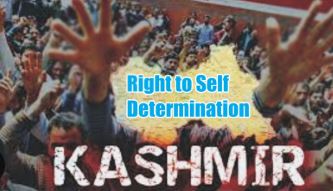
| MT Desk: On January 5, 1949, the world made a promise to the people of Kashmir, and then walked away. That day, the United Nations committed itself to a simple democratic principle: the future of Kashmir would be decided by its people. Not by armies. Not by borders drawn in haste. Not by geopolitical convenience. By Kashmiris themselves. Seventy-seven years later, that pledge remains unfulfilled, preserved only in archives, speeches, and the memory of a people still waiting to be heard.
Kashmir is often reduced to a “dispute,” a sterile word that masks a profound moral failure. At its core, Kashmir is about consent, the foundational principle of democracy. The UN resolutions did not promise mediation or dialogue alone; they promised self-determination through a free and impartial plebiscite. The world’s highest international body did not merely observe this commitment. It guaranteed it.
Yet when the moment came to honour that guarantee, the United Nations faltered.
The historical record is unambiguous. India’s own leaders acknowledged that Kashmir’s fate belonged to its people. Jawaharlal Nehru pledged it repeatedly. Mohandas Karamchand Gandhi insisted that sovereignty resides with the public, not rulers. Indian representatives at the UN affirmed that Kashmiris were not property to be assigned, but human beings entitled to choose their future. These were not ambiguous statements. They were declarations of principle.
What changed was not the promise, but the political cost of keeping it.
As it became evident that a plebiscite might yield an inconvenient outcome, delay replaced determination. Process replaced purpose. Resolutions were reaffirmed but never implemented. The UN, once the custodian of Kashmir’s democratic future, retreated into procedural paralysis, content to manage the conflict rather than resolve its cause.
For Kashmiris, this failure was not abstract. It was lived.
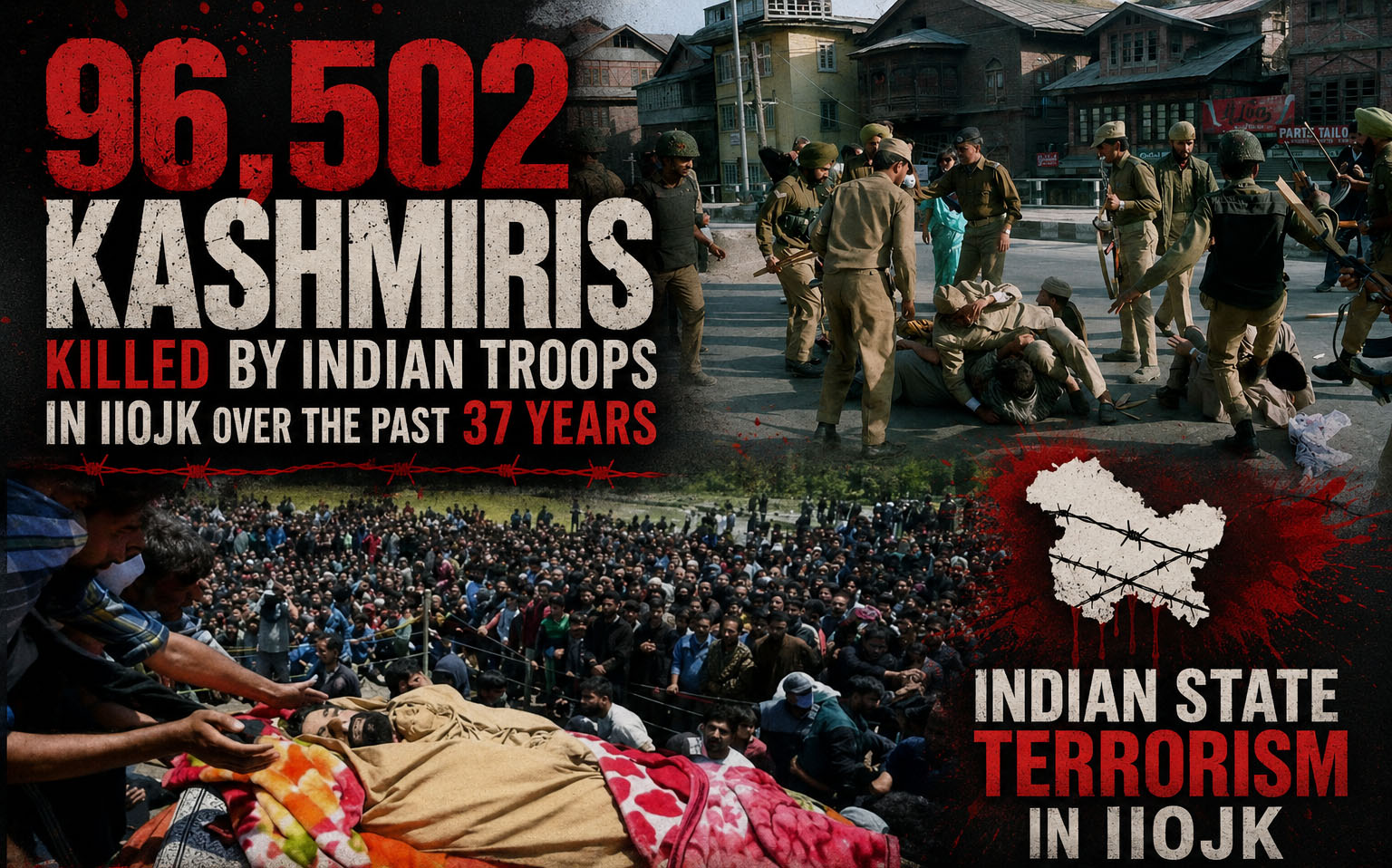
It arrived in prolonged military presence, curtailed civil liberties, mass detentions, and silenced dissent. It arrived in generations raised under surveillance rather than self-governance. Human rights reports quantify these realities, but numbers cannot capture what it means to grow up without the right to decide who you are or who speaks for you.
The UN’s failure in Kashmir is not merely historical, it is institutional. By allowing power politics to override principle, the organization signalled that its promises are conditional, its resolutions negotiable, and its commitments vulnerable to veto by expedience. That precedent extends far beyond Kashmir. The world often says the issue is “complex.” But broken promises are not complex. When an international body offers a people the right to choose their future, and then denies them the means to do so, it erodes its own credibility.
January 5 should not be a ritual of remembrance alone. It should be a reckoning.
The United Nations must confront its unfinished responsibility. That begins with restoring the political and civil conditions necessary for meaningful self-expression. It requires moving beyond statements of concern to concrete action. And it demands that global powers treat self-determination not as a slogan, but as a standard.
Peace in South Asia cannot be built on denial or delay. It can only rest on justice.
For seventy-seven years, Kashmiris have waited, not for sympathy, but for the world to keep its word. Their demand remains unchanged, profoundly democratic, and entirely legitimate: let us decide our own future. The question is no longer whether Kashmir remembers the promise of January 5. It is whether the world still has the courage to honour it.
|
| |
|
|
|
| |

|
|
Chief Advisor: Md. Tajul Islam,
Editor & Publisher Fatima Islam Tania and Printed from Bismillah Printing Press,
219, Fakirapul, Dhaka-1000.
Editorial Office: 219, Fakirapul (1st Floor), Dhaka-1000.
Phone: 02-41070996, Mobile: 01720090514, E-mail: muslimtimes19@gmail.com
|
|
| |
|