A society’s resources are never unlimited. Production, land, capital, natural resources, and economic opportunities all have inherent limits. Therefore, when an enormous share of wealth becomes concentrated in the hands of a small number of individuals or groups, the availability of resources and opportunities for the broader population inevitably diminishes. This is why it is often said that the unlimited accumulation of wealth by a few ultimately becomes a source of deprivation, inequality, and poverty for the many.
From an economic perspective, saving and wealth accumulation are not inherently problematic. In fact, savings are essential for investment, entrepreneurship, and job creation. The problem arises when accumulated wealth is no longer directed toward productive investment and instead becomes merely a means of hoarding assets. In such circumstances, the circulation of wealth within the economy slows down, inequality widens, and the purchasing power of ordinary people gradually declines.
Across the world, it has been observed that when income inequality reaches excessive levels, the benefits of economic growth fail to reach the majority of society. While a small segment of the population enjoys luxurious lifestyles, millions struggle to meet basic needs such as education, healthcare, housing, and nutrition. As a result, social unrest, crime, frustration, and class divisions tend to increase.
This issue is particularly relevant in the context of Bangladesh. On one hand, people with limited incomes are struggling under the pressures of inflation, employment uncertainty, and rising living costs. On the other hand, vast wealth and economic power are becoming increasingly concentrated in the hands of a small segment of society. When access to bank financing, government facilities, land, and business opportunities is disproportionately enjoyed by influential groups, economic balance is undermined and the path to advancement for ordinary citizens becomes increasingly restricted.
Islamic economic philosophy is also very clear on this matter. The Holy Qur’an cautions against wealth circulating exclusively among the rich. While Islam recognizes the right to private ownership, it places strong emphasis on the social responsibility that accompanies wealth. Through mechanisms such as Zakat, Sadaqah, Waqf, inheritance distribution, and the prohibition of interest-based exploitation, Islam seeks to ensure a balanced flow of wealth throughout society so that the gap between the rich and the poor does not become intolerably wide.
The true measure of a developed nation is not merely a high rate of GDP growth; rather, it is the extent to which the benefits of that growth are distributed fairly among its people. If the gains of economic growth become concentrated in the hands of a few while the majority of citizens are denied opportunities to improve their standard of living, such development cannot be considered sustainable or humane.
Therefore, achieving economic justice requires policies that encourage wealth creation while discouraging excessive concentration of wealth. Reforms in taxation, good governance, accountability in the financial sector, employment generation, and the expansion of social safety-net programs can help build a more balanced economy. History consistently demonstrates that societies in which wealth accumulates in the hands of a small elite ultimately experience growing deprivation, exclusion, and resentment among the majority. Conversely, societies that ensure a more equitable circulation of wealth are far more likely to achieve sustainable development and lasting social harmony.
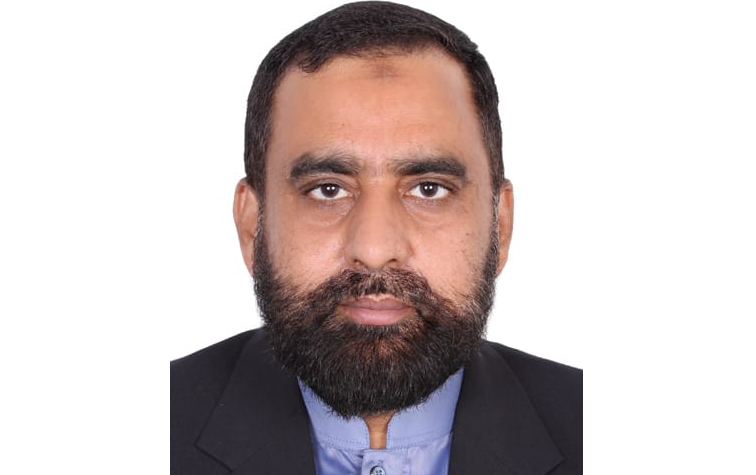
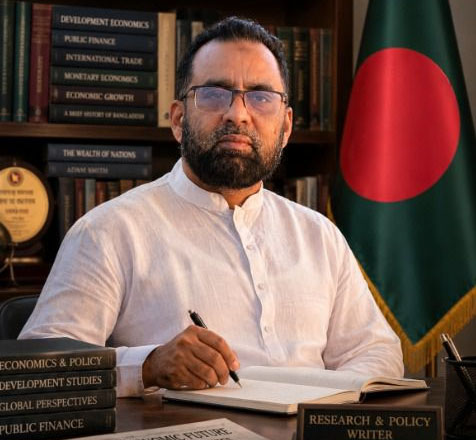
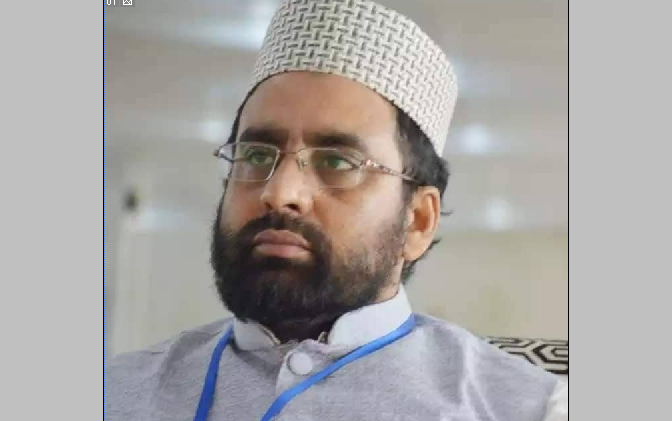
Md. Mukhlesur Rahman
Economist, Social Thinker, and Human Rights Activist
Advisor, Center for Islamic Economics, Dhaka, Bangladesh