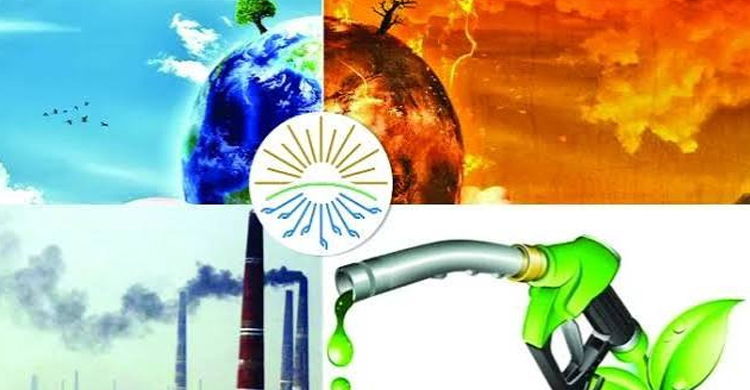
Sadaf Hosen : Countries around the world are rapidly expanding the use of renewable energy to address climate change and reduce carbon emissions. By investing in clean energy sources such as solar power, wind energy, hydropower, geothermal energy, and green hydrogen, many nations are reshaping their energy systems. Experts say the primary objective of this transition is to gradually reduce dependence on fossil fuels. However, the reality is that most countries have not yet completely phased out fossil fuels. Instead, they are following a gradual energy transition by increasing the share of renewable energy while continuing to rely on conventional energy sources during the transition period.
Over the past decade, the cost of generating electricity from solar and wind power has fallen significantly. As a result, both developed and developing countries have witnessed rapid growth in utility-scale solar power plants, offshore wind farms, and rooftop solar installations. At the same time, the growing adoption of electric vehicles, energy-efficient technologies, and advanced battery storage systems has further accelerated the expansion of clean energy.
Many countries have announced targets to achieve net-zero carbon emissions by 2050 or around that timeframe. To meet these goals, governments are working to reduce the use of coal-fired power plants, lessen dependence on natural gas, and increase both public and private investment in renewable energy. Significant attention is also being given to modernizing electricity transmission networks and developing smart grid technologies to improve the efficiency and reliability of power systems.
Bangladesh has also taken a number of initiatives to expand the use of renewable energy. Solar power projects, rooftop solar installations in industrial facilities, solar-powered irrigation systems, and solar home systems in remote areas are contributing to the country`s clean energy transition. However, experts note that fossil fuels still play a major role in meeting the nation`s electricity demand. They emphasize that a carefully planned, long-term strategy is necessary to ensure a gradual and sustainable energy transition.
According to energy analysts, the expansion of clean energy is not only an environmental issue but also a matter of energy security, lower fuel import costs, and long-term economic stability. Countries investing heavily in renewable energy are generally less vulnerable to fluctuations in global energy markets and fuel price volatility.
Energy expert Dr. Mahbubur Rahman says, "The world is searching for alternatives to fossil fuels. However, this transition cannot happen overnight. Existing infrastructure, available technologies, and economic realities require a gradual increase in the share of clean energy."
Md. Rafiqul Islam, an industrial entrepreneur from Gazipur, says, "After installing solar panels on the roof of our factory, we are now able to generate part of our daytime electricity demand ourselves. This has helped reduce our electricity costs."
Experts recommend increasing investment in research and innovation, advancing battery storage technologies, modernizing electricity transmission infrastructure, developing a skilled workforce, and ensuring access to affordable financing to accelerate the adoption of renewable energy. They also stress that improving energy efficiency across industrial and transportation sectors should receive equal priority alongside efforts to reduce fossil fuel consumption.
According to analysts, the global energy sector is undergoing one of the most significant transformations in its history. The gradual shift from a fossil fuel-dependent system toward a clean energy-based economy has the potential not only to reduce climate change risks but also to create new investment opportunities, generate employment, and drive technological innovation. With sound policies, strong international cooperation, and sustained investment, green energy could become one of the dominant pillars of the global energy system in the decades ahead.