The Indian authorities are preparing to shift prisoners described as “high-risk” detained under the draconian Public Safety Act (PSA), to a newly constructed high-security jail in Kathua district of Indian illegally occupied Jammu and Kashmir, with stringent restrictions planned on their movement, communication and contact with other inmates.
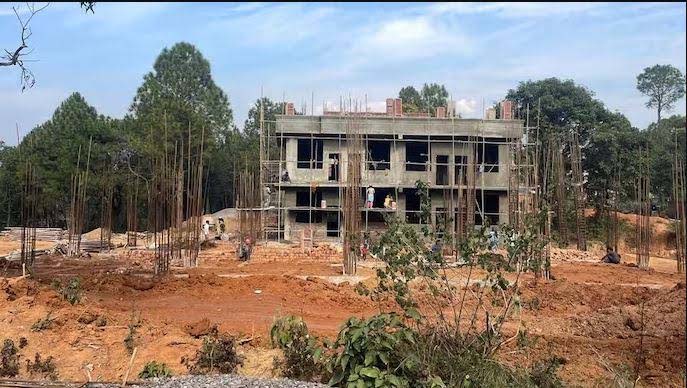
The near-completion prison at Dambra in Mahanpur, Billawar tehsil, is being designed to accommodate around 600 inmates and includes solitary-confinement cells for selected prisoners.
Reports said the authorities plan to initially shift prisoners from KotBhalwal, Srinagar and other jails to the new prison after its expected inauguration by Indian Home Minister Amit Shah.
The reports said the move is aimed at preventing selected prisoners from communicating with other inmates and restricting their access to mobile phones and other electronic devices. The measures could effectively keep detainees isolated and, in some cases, incommunicado, particularly those held in solitary confinement.
The prison, located in a remote hilly area of Kathua, has reportedly been equipped with advanced surveillance systems. The Central Industrial Security Force (CISF) has already taken over security arrangements at the jail.
The authorities have also claimed that the location and infrastructure of the prison have been selected to prevent unauthorized access and communication. Modern surveillance equipment is reportedly being installed inside and outside the jail premises to maintain close monitoring of inmates.
The proposed shifting of prisoners comes amid reports of overcrowding in KotBhalwal and Srinagar jails, where people accused of militancy and those detained under the PSA are currently lodged.
The new prison is expected to reduce pressure on existing jails by transferring selected inmates to the high-security facility, while simultaneously imposing tighter restrictions on their interaction and communication.
Human rights concerns have long been raised over the use of the PSA and prolonged detention of Kashmiris without ordinary judicial proceedings. The planned use of solitary confinement, strict communication restrictions and heightened surveillance further raises concerns about the treatment of detainees and their access to family members, lawyers and the outside world in IIOJK.