Introduction
A Commitment to Religious Practice, Human Values, and Digital Security
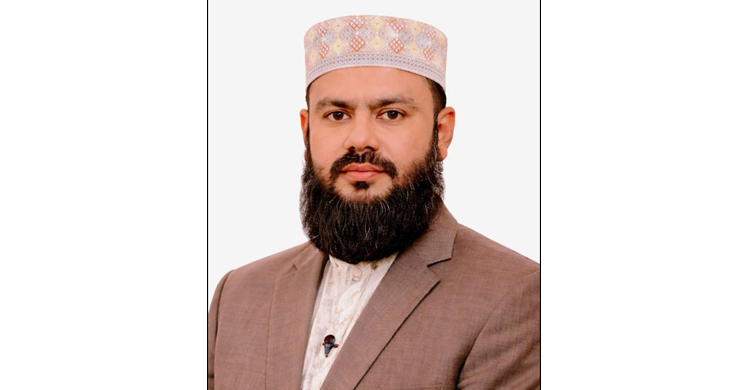
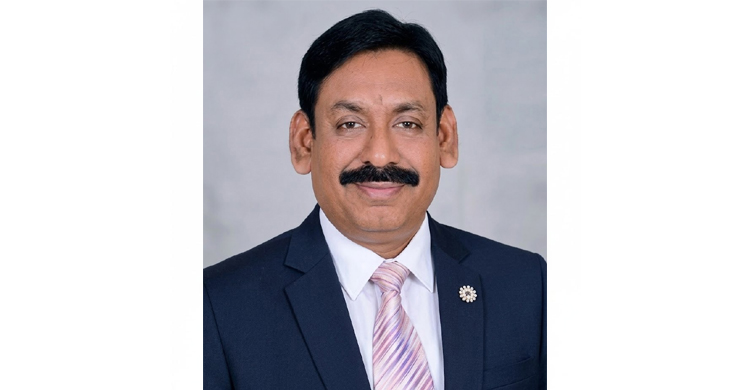
By H M GOLAM KIBRIYA RAKIB
A person`s true dignity does not lie in education, wealth, or social status, but in honesty, morality, and humane conduct. However, slander, rumors, backbiting, and character assassination undermine the dignity of individuals and society. A single false allegation can call into question a person`s long-standing reputation, relationships, and achievements.
Slander refers to making false or baseless allegations against someone. False propaganda involves spreading untrue, distorted, or misleading information about an individual, family, institution, or group. Discussing someone`s faults behind their back, even if those faults are true and the person dislikes their disclosure, is known as Ghibah (backbiting). However, attributing faults to someone that they do not actually possess and spreading such claims constitutes slander.
Nevertheless, evidence-based criticism, reporting corruption or irregularities to the appropriate authorities, and disclosing the truth in the public interest do not constitute false propaganda. In such cases, the accuracy of information, intention, evidence, necessity, and manner of presentation must be carefully considered. The concerned individual should also be given an opportunity to respond, and their personal privacy must be respected.
The Harmful Effects of Slander
Innocent people are often the greatest victims of slander. It damages their self-respect, increases psychological distress, and creates a sense of social insecurity.
Rumors and baseless suspicions within families can create distance between husbands and wives, siblings, and relatives. In society, unverified allegations undermine trust, harmony, and an environment conducive to justice. It is never justified to portray someone as a criminal before their guilt has been established.
Islamic Teachings and Guidance
The Holy Quran places special emphasis on verifying information. In Surah Al-Hujurat, verse 6, believers are instructed to verify news before acting upon it, so that they do not unknowingly harm others and later regret their actions.
Verses 11 and 12 of the same Surah prohibit ridicule, insults, negative assumptions, searching for others` hidden faults, and backbiting. Verses 15 and 16 of Surah An-Nur also highlight the seriousness of spreading baseless allegations.
Prophet Muhammad (PBUH) said that backbiting means mentioning something about a person in their absence that they would dislike. If that characteristic is not actually present in the person, it constitutes slander. (Sahih Muslim, Hadith 2589).
He also said that it is sufficient to make a person a liar that they repeat everything they hear. (Sahih Muslim, Introduction).
In another Hadith, he said: "Whoever believes in Allah and the Last Day should speak good or remain silent." (Sahih al-Bukhari, 6018; Sahih Muslim, 47).
Digital Security and Responsible Online Behaviour
These teachings have become even more important in the digital age. Once information is shared on social media, it can reach millions of people within a short period, and removing it completely afterward can be extremely difficult.
Therefore, before sharing any post, photograph, video, or allegation, its source, timing, context, and authenticity must be verified. Personal photographs, phone numbers, addresses, identity documents, or medical information must never be disclosed without permission.
If someone becomes a victim of online humiliation, threats, or harassment, they should avoid responding with retaliatory propaganda. Instead, they should preserve evidence, block or report the relevant account, and seek assistance from the appropriate authorities when necessary.
Slander, defamation, identity theft, and misuse of personal information may lead to legal complications. Therefore, being aware of applicable laws and seeking legal advice when necessary are signs of responsibility.
What Should We Do?
If someone spreads false information unintentionally, they should withdraw and correct it and apologize to the person affected. If a false allegation has been spread publicly, it should also be corrected publicly.
However, victims of slander should not become involved in retaliatory misinformation or character assassination. Instead, they should protect their rights through lawful procedures.
Religious practice promotes morality, self-restraint, and humanity in both individuals and society. Open communication within families helps reduce misunderstandings, while evidence-based statements in society strengthen justice and harmony.
Truthfulness, avoiding backbiting, protecting human dignity, and practising responsible digital behaviour reinforce both religious and humanitarian values.
Before sharing any information, we should therefore ask ourselves a few important questions:
- Is this information true?
- Is there reliable evidence to support it?
- Is sharing it necessary?
- Could it harm an innocent person?
- Could it violate someone`s privacy or security?
Conclusion
We must remember that although someone may be temporarily weakened through humiliation or false propaganda, the truth cannot be established through such means.
Truth is established through evidence, honesty, justice, lawful procedures, and responsibility.
Let truth prevail over slander, justice over revenge, and digital security over carelessness. Let these be our collective commitments.
About the Author
H M GOLAM KIBRIYA RAKIB
Founder: Maulana Abdul Hakim (RH.) Foundation.
Khatib, Essayist, Media Professional, and Television Programme Presenter.