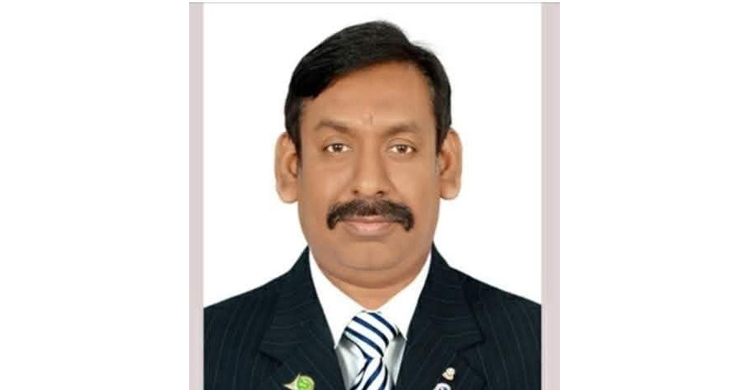
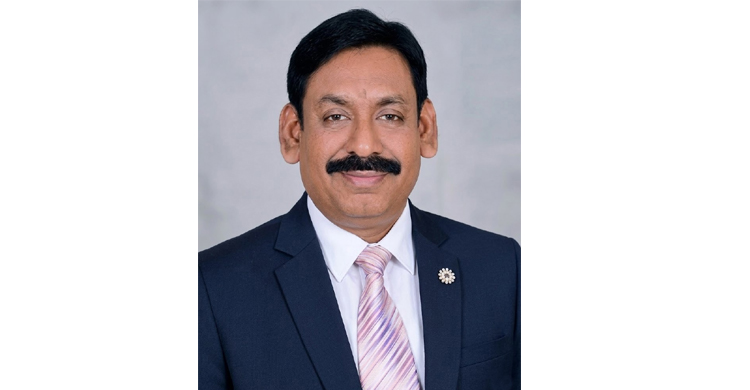
Lion Md. Gani Miah Babul
Science is more than laboratory research, complex formulas, or new technological inventions. It is also directly connected to clean water, better crops, accurate medical treatment, early warnings of disasters, and reliable information. Science is essential to making people’s lives safer and more dignified, reducing inequality in society, and building a safe and livable country for future generations.
Every year on 10 November, the World Science Day for Peace and Development is observed. The day highlights the social role of science and creates opportunities for public discussion about it. According to UNESCO, an important aim of the day is to bring science closer to society and keep citizens informed about scientific issues. The theme for World Science Day 2026 is ‘Common Ground Through Science Diplomacy.’
The importance of scientific practice is especially significant for Bangladesh. In this densely populated country, the challenges of development are great, but so are the opportunities. Climate change, floods, cyclones, river erosion, urban pollution, food security, and public health all require knowledge that reflects local realities and solutions that work in practice. Technologies developed abroad can achieve the desired results only when they are adapted to the country’s soil, water, climate, economy, and people’s needs. This is another reason to raise awareness about science.
Science’s contribution to agriculture is visible in the daily lives of people in Bangladesh. Improved seeds, soil testing, disease detection, efficient irrigation, and weather information can increase farmers’ yields and incomes. But advanced technology should not remain within the reach of only large farms or city dwellers. It is vital to deliver advice in accessible language to small-scale farmers, women farmers, and people in remote areas. Regular communication among researchers, agricultural extension workers, and farmers can bring field problems into research and help research findings reach the fields more quickly.
Science must be used more effectively to address climate risks. Salinity in coastal areas, floods in river and haor regions, drought in the north, and waterlogging in cities are different problems that call for different responses. We need region-specific data collection, risk maps, early forecasts, and locally appropriate infrastructure plans. When cyclone warnings reach people on time and in clear language, evacuation routes are known, and shelters are suitable for children, women, older people, and persons with disabilities, science becomes a force that saves lives.
The relationship between science and public trust is also vital to public health. Research-based decisions on disease detection, vaccines, medicines, nutrition, safe motherhood, and mental health can improve people’s well-being. At the same time, doctors, researchers, the media, and local leaders need to work together to counter health misinformation and rumours. It is not enough simply to give people instructions; they also need to understand, in clear language, the reasons behind the advice. When science-based information connects with people’s experiences and language, confidence in health services grows.
A clean environment is another major condition for sustainable development. Air pollution, plastic waste, polluted rivers, and unplanned urbanisation place a heavy burden on people’s health and livelihoods. Addressing these problems requires reliable environmental data, better waste management, clean energy, safe public transport, and quality control of products. Science helps us measure problems, while policy and civic action put solutions into practice. Publishing information about Dhaka’s air quality or river pollution is not enough; regular action based on that information and public reporting on the results are also essential.
Rapid technological progress is creating new opportunities for Bangladesh. Digital services, artificial intelligence, mobile communications, and data analysis can make education, agriculture, business, and government services more accessible. But we must also ask whether everyone is benefiting from these technologies. Responsible discussion is needed about the digital divide between rural and urban areas, personal data security, online fraud, and changes in employment. Technological progress cannot be sustainable unless people’s rights and dignity are protected.
We also need to rethink the goals of science education. Instead of relying on memorisation, education should encourage students to ask questions, observe, experiment, draw conclusions through reason, and learn from mistakes. Hands-on science activities in schools, science clubs, projects addressing local problems, and teacher training can spark students’ curiosity. It is essential to expand access to science education for girls, rural students, and disadvantaged communities. Talent is not confined to any region or family; unequal access to opportunity prevents many people from realising their potential.
Science research needs adequate investment and academic freedom. Cooperation should be strengthened among universities, government research institutions, industries, and local entrepreneurs. Research funding must be transparent and long-term. Young researchers should have access to the equipment, data, training, and guidance they need. Research findings must also reach farmers, health workers, teachers, engineers, local governments, and industry in practical forms, rather than remaining confined to reports and academic journals. The Ministry of Science and Technology has responsibilities that include research, development, coordination, and bringing scientific services to citizens. Effective action is needed to fulfil these responsibilities.
Science’s role in building peace is not limited to new discoveries; it can also help create trust in society. Reliable information helps policymakers make better decisions, while transparent communication reduces rumours and confusion. Sharing knowledge among regions, institutions, and countries is essential to addressing common challenges involving water, food, health, and the environment. Science diplomacy refers to this kind of cooperation, in which research and technology open paths to mutual understanding and shared solutions. For science to serve humanity, however, research ethics, transparency, security, and the public interest must all receive equal attention.
At every stage of Bangladesh’s progress, science must be more deeply connected to people’s lives. Science that protects farmers’ crops, technology that saves lives during disasters, research that makes treatment more accessible, and innovation that reduces pollution all of these form a foundation for peace and sustainable development. On World Science Day, let us pledge to increase investment in science, encourage curiosity and reason in education, make research findings accessible to everyone, and ensure the ethical use of technology. By putting science to work for people, nature, and future generations, we can build a safe, livable, peaceful, humane, and prosperous Bangladesh.
About the Author:
Lion Md. Gani Miah Babul
Teacher, poet, columnist, social worker, and organiser
Founding President, Bangladesh Government Secondary Teachers’ Association (Agriculture), Central Committee
Joint Secretary-General, Nirapad Sarak Chai (NISCHA), Central Committee
Phone: 01552631118, 01842631118
Email: lionganibabul@gmail.com