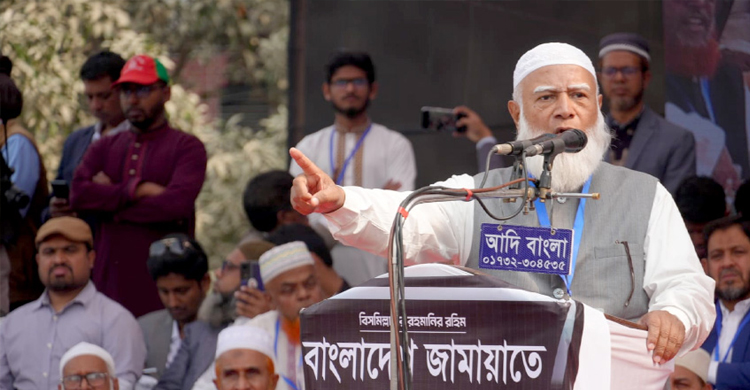
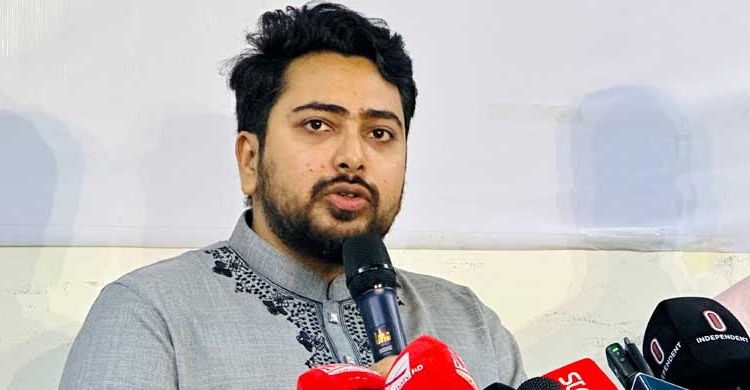
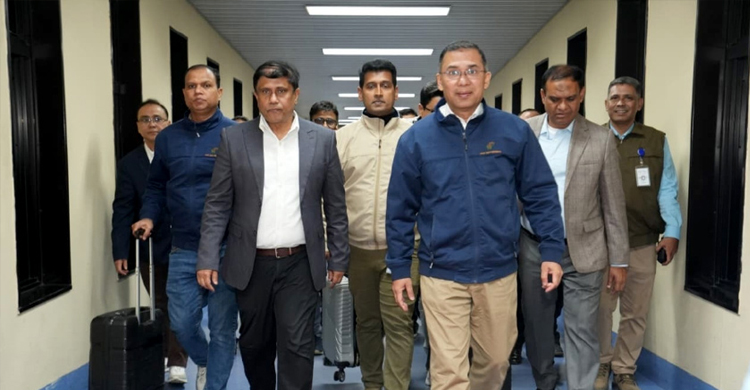
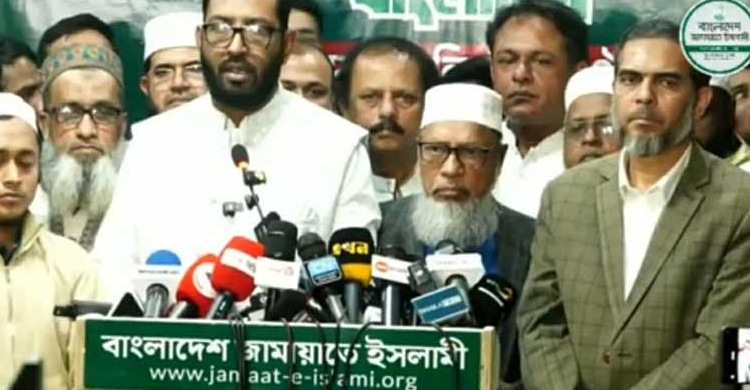
Bangladesh Jamaat-e-Islami Ameer Dr Shafiqur Rahman on Saturday pledged to boost Sirajganj’s economy by harnessing local potential, promising to establish a powdered milk factory and revive the region’s traditional handloom industry if his party-led alliance comes to power.
Addressing a public rally at Islamia Government College ground in Sirajganj, organised by 10-party alliance, Rahman outlined Jamaat’s future plans for developing the dairy sector and restoring the once-thriving handloom industry.
Describing Sirajganj as the country’s dairy hub, he said Bangladesh spent around Tk 5,000 crore importing powdered milk in the 2024–25 fiscal year, while local dairy farmers in Sirajganj were suffering losses due to unfair prices.
He said farmers had been forced to protest by dumping milk on roads, calling the situation shameful for the national economy.
Rahman said that if the alliance formed the government, milk would no longer need to be sent to Dhaka for processing. Instead, modern, technology-based powdered milk factories would be set up in Sirajganj.
He said this would ensure fair prices for farmers, create employment for thousands of unemployed youths, reduce import dependence and save foreign currency.
On the handloom sector, the Jamaat chief said weavers were struggling due to shortages of raw materials and a lack of government support, leaving many in the region unemployed.
He pledged to ensure easy access to raw materials for weavers, improve product quality and connect handloom goods to global markets, restoring the industry’s lost glory.
Addressing river erosion, Rahman alleged corruption in embankment and river protection projects, claiming that substandard materials were often used instead of steel rods. He said such practices would be dealt with firmly.
He added that a corruption-free system would prevent project funds from being wasted and allow effective river dredging to restore navigability, fisheries resources and inland waterways.
On governance, Rahman said that if given the opportunity, Jamaat would form a government inclusive of all, but participation would be subject to three conditions.
He said no one involved in governing would be allowed to engage in corruption or shelter corrupt individuals, justice would be ensured for all regardless of wealth, religion or social status, and the rule of law would apply equally to ordinary citizens and the highest offices of the state.