Bangladesh has achieved self-sufficiency in the production of sacrificial animals, successfully meeting domestic demand for Eid-ul-Azha through local sources.
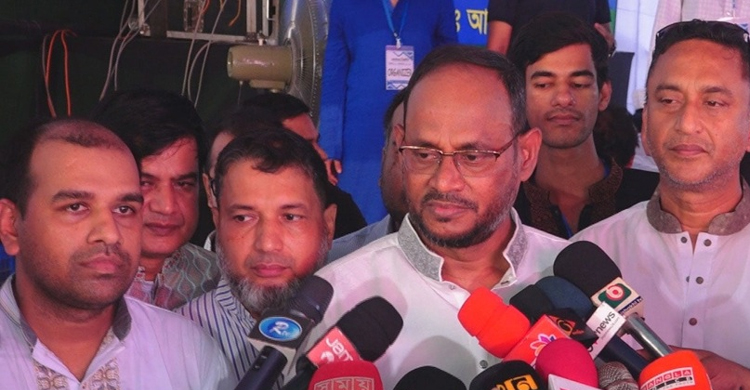
With a substantial surplus recorded in 2026, the government’s next target is to expand meat and livestock product exports to international markets, State Minister for Fisheries and Livestock Sultan Salahuddin Tuku said on Thursday.
Speaking at a press briefing on Eid-ul-Azha 2026 livestock management, the minister described the achievement as a major milestone for the country’s livestock sector and rural economy.
According to data compiled by the Department of Livestock Services (DLS), the estimated demand for sacrificial animals this year stood at 10.11 million. In contrast, the country’s farmers and livestock producers prepared more than 12.36 million animals for the festival, ensuring an ample supply across the country.
DLS also reported that a total of 9.37 million animals were sacrificed during Eid-ul-Azha. As a result, approximately 2.97 million animals remained unsold, underscoring the sector’s growing production capacity and the country’s ability to meet demand without relying on imports.
Among the animals sacrificed, cattle and buffaloes accounted for 4.87 million, while goats and sheep made up 4.50 million. Other categories represented a negligible share of the total.
Regional statistics show that Dhaka Division recorded the highest number of sacrificial animals, with more than 2.35 million animals slaughtered during the festival, accounting for nearly one-quarter of the national total. Sylhet Division registered the lowest figure, with around 274,000 animals sacrificed.