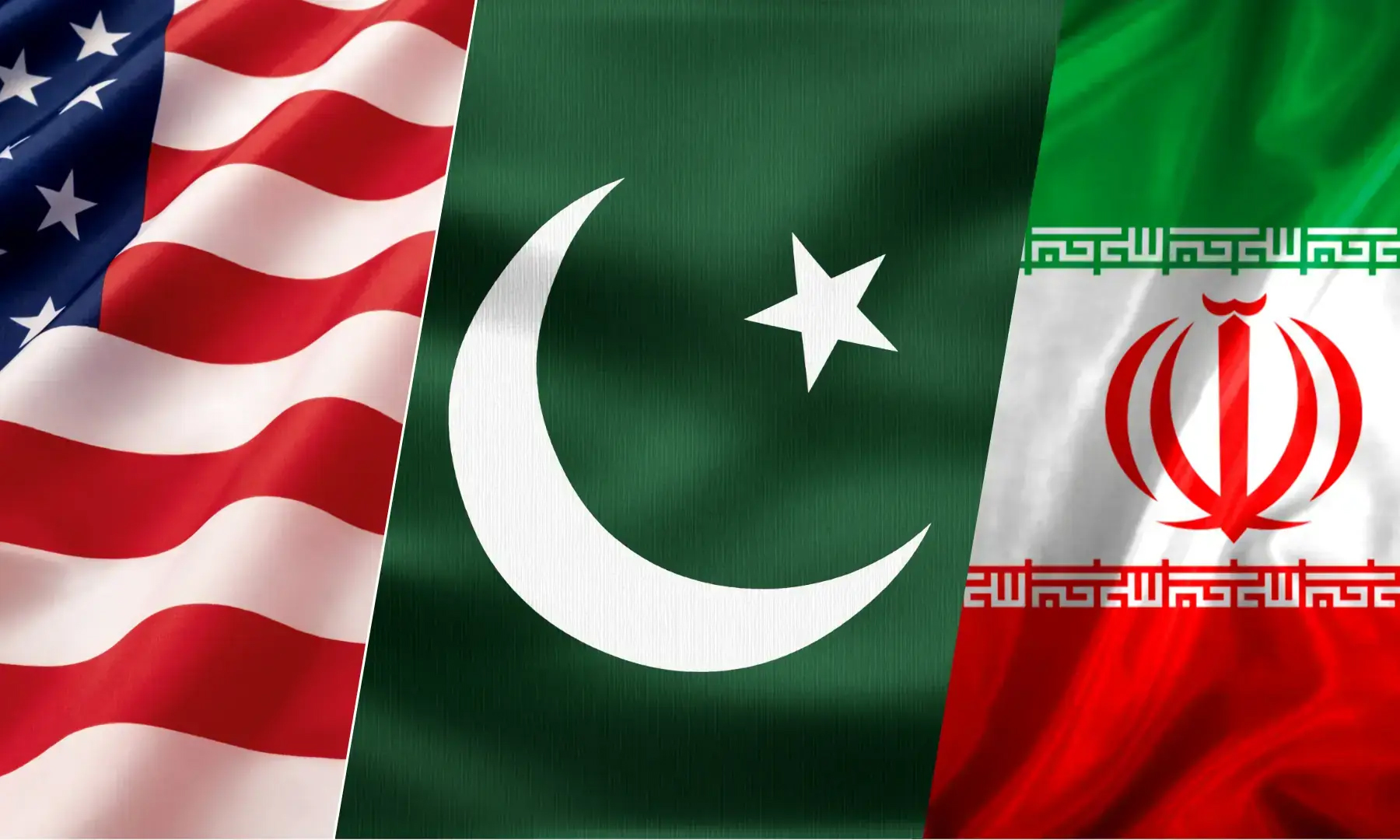
Online Desk: Pakistan has played the leading role throughout this precarious peace process that faces complex challenges. For 47 years, the US viewed Iran as a threat to its regional interests and employed coercive diplomacy and economic sanctions to dissuade Tehran from pursuing its nuclear programme and supported political activists opposed to the Iranian political system.
However, two direct and major US and Israeli attacks within one year on Iran during Trump administration caused major damage to its infrastructure, killing thousands of people, including decapitation strikes on Tehran’s ideological, political, intelligence and military leadership. Although the Iranian political and security system seems to have absorbed these lethal attacks, it has also created a new security dynamic which poses more challenges to the diplomatic progress.
Western military strategy traditionally assumes that decapitation of top political and military leadership can damage the political will of the adversary to wage war which can bring about a quick and decisive victory and help avoid a long and costly war of attrition. This approach seemed to work during World War II against Adolf Hitler, and later against the regimes of Saddam Husain, Muammar Qadhafi and Bashar al-Assad.However, these were totalitarian regimes whose political system collapsed as soon as their central figurehead was removed. This was not the case in Iran where the loss of top ideological, political and military leadership was a major shock to the nation but didn’t disturb Tehran’s political system or its military strategy.
Iran has deliberately expanded both the theatre of conflict and the diplomatic chessboard. This has led the talks agenda to shift and expand beyond the Iranian nuclear programme to also include the opening of the Strait of Hormuz, enduring ceasefire in Lebanon and sanctions relief on Tehran’s frozen financial assets.