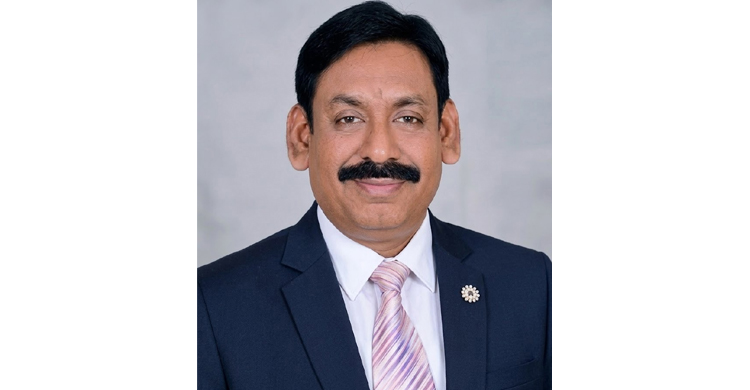
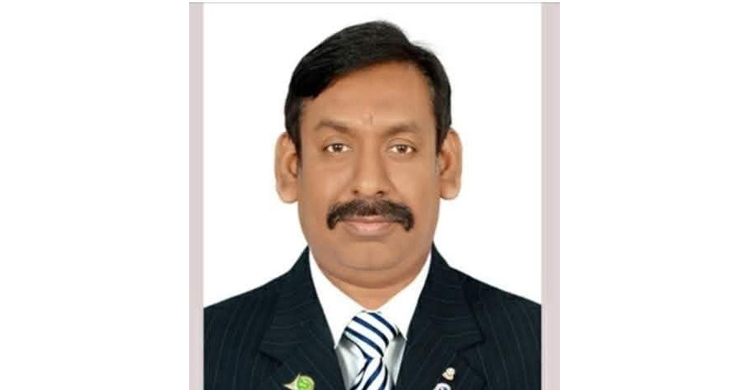
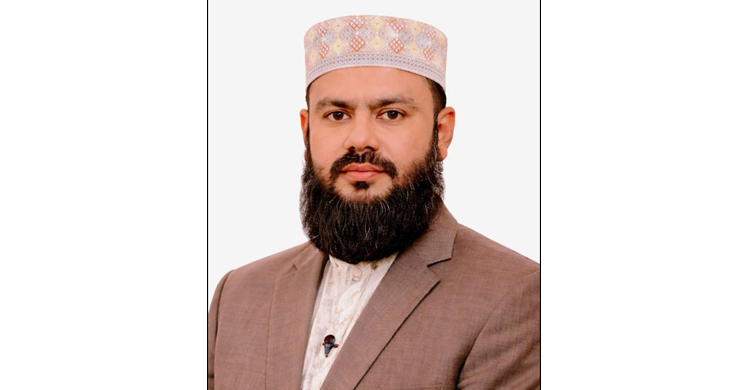
Lion Md. Gani Miah Babul : Road crashes are one of the most devastating social and humanitarian problems in the world today. Every day, countless people lose their lives or are injured in road crashes, while many families lose their loved ones forever. The World Day of Remembrance for Road Traffic Victims is observed around the world on the third Sunday of November each year to remember those killed or injured in road crashes, express sympathy for their families, and raise public awareness about prevention. The day inspires us to recognise the importance of road safety, behave responsibly on the roads, and renew our commitment to building a Bangladesh free from road crashes.
The World Day of Remembrance for Road Traffic Victims is more than a formal occasion for mourning. It asks us a difficult question: are we doing enough to prevent crashes that could be avoided? The day’s true purpose is to remember those who have died, support those who have been injured, understand the suffering of affected families, and take practical steps to make our roads safer. Its message should reach beyond candlelight vigils, floral tributes, and speeches. It should shape road management, law enforcement, and our everyday behaviour.
It is dangerous to assume that every crash is simply a matter of fate. Some may happen because of unforeseen circumstances, but many road deaths are linked to preventable risks: excessive speed, reckless driving, unsafe overtaking, violations of traffic rules, driver fatigue, unroadworthy vehicles, hazardous road conditions, and a lack of safe facilities for pedestrians. These causes can be identified and addressed. We cannot dismiss crashes as bad luck and avoid responsibility. To reduce deaths on our roads, we must acknowledge the causes and accept our share of responsibility.
Drivers are at the forefront of that responsibility. The lives of many people depend on the driver of a large vehicle. Whether it is a passenger bus, truck, motorcycle, private car, or public transport, a driver’s skill, fitness, and sense of responsibility are essential. But blaming drivers alone will not solve the problem unless we also ensure proper training, responsible licensing and renewal, reasonable working hours, and adequate rest. Driving for long periods without rest, pressure to reach destinations on time, and taking extra trips to increase earnings all raise the risk of crashes. Drivers must be held accountable for unsafe actions, while also being given the conditions needed to work safely.
Vehicle fitness and maintenance are also essential to road safety. A vehicle with defective brakes, tyres, lights, or steering puts not only its driver and passengers at risk, but also pedestrians. Inspections must be practical and thorough, not mere paperwork or a formality. Unfit vehicles must be taken off the road, regular maintenance must be ensured, and the process of issuing fitness certificates must be transparent. If vehicles that violate safety requirements continue to operate without consequence, road safety rules will remain only on paper.
Road design and management play a major role in preventing crashes. When fast-moving vehicles, slow-moving vehicles, motorcycles, rickshaws, pedestrians, and other road users share the same road, clear lanes, safe crossing points, and effective traffic management are essential. In many places, occupied or blocked footpaths, damaged roads, inadequate lighting, unclear signs, hazardous intersections, and a lack of safe crossing facilities put both pedestrians and drivers at risk. Road planning must give due attention to the needs of children, older people, persons with disabilities, and women. A safe road is not simply one on which vehicles can travel; it is a system that protects the lives and mobility rights of everyone who uses it.
Laws cannot keep people safe if they are not enforced consistently and impartially. When traffic violations are sometimes punished and at other times ignored, a culture of compliance cannot develop. Excessive speeding, driving against traffic, illegal parking, unsafe overtaking, and riding without a helmet or travelling without a seat belt all require consistent action. Enforcement must be transparent, fair, and equal for everyone. Fines and penalties are not ends in themselves; their purpose is to reduce behaviour that puts other people’s lives at risk.
Law enforcement alone cannot ensure road safety. We also need a culture of responsible behaviour. Some people think that driving a little faster, briefly travelling the wrong way, or crossing a road in a risky manner is harmless. But even a violation that seems minor can have terrible consequences. Passengers should not encourage drivers to behave recklessly. Motorcyclists should wear helmets, vehicle occupants should use seat belts, pedestrians should take care when crossing, and drivers should make way for emergency vehicles. These simple habits can save lives. Families, educational institutions, and workplaces should also discuss safe travel practices.
The response after a crash is equally important. Rapid rescue, emergency treatment, and timely transport to hospital can save the lives of many injured people. Members of the public can be given basic guidance on how to help an injured person without creating additional risks. Emergency services and hospitals need to coordinate effectively, respond quickly, and ensure that injured people receive dignified care. Medical expenses, long-term rehabilitation, and loss of livelihood after a serious injury can place families under severe strain. Effective support must be available to help them.
We often forget the families affected by road crashes. When a family loses an earning member, it faces not only grief but also questions of income, education, healthcare, and future security. Families may also have to bear the burden of long-term treatment and care for an injured relative. Showing sympathy means more than offering condolences. It also means calling for justice and ensuring access to the necessary support, treatment, and rehabilitation. Crashes must be investigated impartially, responsibility must be established, and fair assistance must be provided to those affected.
The media and civic organisations have an important role to play. Reporting only the number of casualties or the vehicles involved does not fulfil that responsibility. Reports should also ask why a crash happened, where safety measures failed, and whether similar incidents have occurred at the same location. At the same time, the dignity and privacy of victims and their families must be respected. Sustained discussion of road safety, public awareness campaigns, and civic advocacy for accountability can make a meaningful difference.
Lighting candles on the World Day of Remembrance is a symbol of grief. The real test is whether we turn that light into action. Remembering those killed in road crashes means working to build a society in which every journey is more likely to end safely. Authorities must identify hazardous roads and address the most urgent risks first. Vehicle safety and driver training must be ensured, traffic laws must be enforced equally, and crash data must be recorded and analysed to guide future planning. Every citizen must also understand that taking responsibility on the road means respecting the lives of others.
The World Day of Remembrance calls on us to turn grief into responsibility, sympathy into support, and commitment into action. Every problem cannot be solved in a single day. But practical steps repairing hazardous locations, responding fairly to violations, providing proper training to drivers, and ensuring safe movement for pedestrians—can reduce the loss of life.
May the memory of those who lost their lives in road crashes remind us of our responsibility. May those who were injured receive treatment and rehabilitation. Let it be our shared goal that no family is left in lifelong grief by a phone call or news of a crash. We must not allow our roads to become death traps. Individuals, society, and the state must each do their part to make travel safe. “No more carnage on our roads” must be more than a slogan; it must become a commitment reflected in our actions.
Road crashes are not an inevitable fate. With awareness, responsibility, and proper enforcement of the law, many can be prevented. The World Day of Remembrance for Road Traffic Victims renews our commitment to safer roads. No mother should have to endure the loss of a child, and no family should be left destitute after losing a loved one. This requires the combined efforts of drivers, passengers, pedestrians, and the relevant authorities. Let us obey traffic rules, avoid reckless speeding, and work together to make our roads safer. Our hope is for an end to the procession of deaths on our roads, and for roads that are safe for everyone. Through goodwill and collective effort, let us build a Bangladesh and a world free from road crashes.
About the Author:
Lion Md. Gani Miah Babul
Teacher, poet, columnist, social worker, and organiser
Founding President, Bangladesh Government Secondary Teachers’ Association (Agriculture), Central Committee
Joint Secretary-General, Nirapad Sarak Chai (NISCHA), Central Committee
Phone: 01552631118, 01842631118
Email: lionganibabul@gmail.com