×
Home National Politics Business Bangladesh International Sports Entertainment Law & Justice More News Capital News Health Features Business Icon Technology Media Features Economy Education Literature Quran & Hadish Photo Gallery Editorial Religion Tours & Travels Tourism Guide Editors Corner Campus Youth Popular Organizations Country Wide Life Style Jobs Prism Notice History & Culture Messages Op-ed Wildlife Activities Foreign relation Accident Environment Asia Videoes Analysis Energy Book Reviews Literature Others KSA Arab World Cricket Football More Banking Corporate Global economy Real Estate Entrepreneur Start-up Telecom Summit Travel Art and Culture Food Book Fourth Estate View Letters to Editor Political Icon Diplomat Scholarship Career Job
☰
Wednesday 21st of October 2026 E-paper
* রংপুরে শতবর্ষী ধর্মসভা মন্দিরের পূজামণ্ডপ পরিদর্শন করেছেন প্রধানমন্ত্রী   * সব ধর্মের মানুষকে সঙ্গে নিয়ে দেশ গড়তে চাই: প্রধানমন্ত্রী   * 14 killed as bus, truck collide head-on in Natore   * ইয়েমেনে সেনা প্রশিক্ষণ শিবিরে হুথিদের হামলা, ৫৮ জন নিহত   * নাটোরে বাস-ট্রাক সংঘর্ষ: নিহতের সংখ্যা বেড়ে ১৪   * Oil tanker on fire after hitting mine in Hormuz: Iran`s Guards   * Oil-rich Alberta votes on Canada breakup   * Banks, stock markets to remain closed for 5 days from Tuesday   * ডিএমপির অভিযানে ২৪ ঘণ্টায় গ্রেপ্তার ৪৮৪, মামলা ৫৩   * নিষেধাজ্ঞা অমান্য করে ইলিশ শিকার, ২২ জেলের কারাদণ্ড  
   Op-ed
  Disaster Risk Reduction and Preparedness Must Be Our Top Priorities

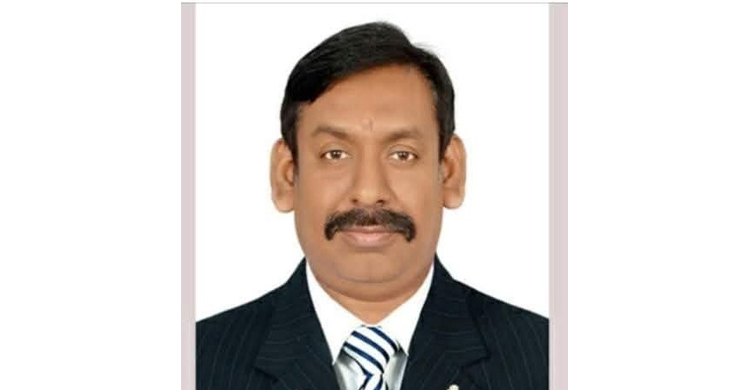
Lion Md. Gani Miah Babul

Disasters may occur as part of the natural order, but loss of life and extensive damage to property are not always inevitable. Through proper planning, early warning systems, safe infrastructure, public awareness, and effective management, the adverse impacts of disasters can be reduced significantly. Therefore, alongside rescue and relief operations after a disaster, it is essential to identify risks in advance and take effective measures to prevent or minimize potential damage. The International Day for Disaster Risk Reduction, observed on October 13, reminds us of this responsibility.

Initiated by the United Nations, the International Day for Disaster Risk Reduction is observed worldwide every year on October 13. The primary objectives of this day are to raise awareness of disaster risks, reduce loss of life and economic damage, and strengthen the capacity of individuals, communities, and governments to cope with disasters. The day holds particular significance for Bangladesh. Owing to its geographical location, the impacts of climate change, high population density, and unplanned urbanization, Bangladesh remains vulnerable to various natural and human-induced disasters.

Floods, cyclones, storm surges, riverbank erosion, lightning strikes, landslides, and earthquakes pose serious threats to the country. At the same time, fires, building collapses, industrial accidents, and environmental pollution have become major concerns for public safety. Such disasters adversely affect people`s lives and livelihoods. They disrupt agriculture, industry, trade, transportation, and educational activities. Poor communities, children, women, older people, and persons with disabilities are often the most vulnerable. Therefore, disaster management cannot be viewed merely as an emergency relief operation. It is directly connected to national development, public safety, and the protection of human dignity.

Bangladesh has gained considerable experience in disaster management. The dissemination of cyclone forecasts, construction of shelters, development of volunteer networks, and rescue operations by various government and non-government organizations deserve recognition. Early warning and shelter systems have improved in many respects compared with the past. However, new risks are also emerging alongside these achievements. Climate change is increasing pressure on coastal areas through salinity intrusion, riverbank erosion, and storm surges. Heavy rainfall and waterlogging frequently disrupt urban life. Meanwhile, unplanned construction, inadequate fire safety measures, hazardous industrial facilities, and insufficient emergency preparedness increase the likelihood of human-induced disasters.

In this context, disaster management must move away from a predominantly reactive approach and give priority to risk reduction. Scientific assessments are needed to determine the extent of flood, cyclone, landslide, and earthquake risks in different areas, identify the communities most exposed to danger, and locate infrastructure likely to be damaged. Developing disaster risk maps, maintaining and regularly updating relevant data, and implementing disaster preparedness plans at the local level can significantly reduce potential losses.

An effective early warning system is also essential. The responsibility does not end with broadcasting weather forecasts. Warnings must reach people in time, and clear instructions must explain what actions they should take. People living in remote areas, river islands, coastal regions, and hard-to-reach communities must have reliable access to warnings. Mobile phones, mass media, social media, mosques, temples, and local volunteer networks can be used to disseminate timely information through simple, accessible messages. However, if people have no access to safe shelters or rescue operations are poorly coordinated, the benefits of early warnings remain limited.

Ensuring safe infrastructure and the security of existing structures is indispensable for reducing disaster losses. Building construction must comply with approved designs and building codes. Fire safety systems must remain functional, emergency exits must be kept clear, and regular inspections must be conducted. Critical facilities, including hospitals, educational institutions, markets, factories, and public transportation hubs, must be made more resilient to disasters. At the same time, rivers, canals, water bodies, and natural drainage systems must be protected. Unplanned construction and the filling of water bodies often intensify the damage caused by heavy rainfall and urban waterlogging.

Special attention must be given to earthquake preparedness in Bangladesh`s urban areas. In densely populated cities, large numbers of buildings, narrow roads, and insufficient open spaces may make emergency rescue operations extremely difficult. A coordinated initiative is therefore necessary to identify vulnerable buildings, undertake essential structural improvements, enforce building codes, and strengthen the capacity of rescue agencies. Educational institutions and workplaces should regularly conduct drills to teach people how to remain safe during an earthquake, where to seek protection, and how to avoid hazardous locations afterward.

Active participation by local government institutions, voluntary organizations, educational institutions, the media, the private sector, and ordinary citizens is essential. Disaster management is not the sole responsibility of government agencies. Communities need trained volunteer teams, first aid and rescue training, emergency equipment, and reliable communication systems that can function during disasters. Shelter arrangements and evacuation plans must specifically consider the needs of children, women, older people, and persons with disabilities. Ensuring their safety and access to medical care, food, clean drinking water, and sanitation during disasters is a humanitarian responsibility.

The media also plays a crucial role in disaster risk reduction. By disseminating reliable information, countering rumors, circulating warnings, and explaining appropriate safety measures, the media can contribute directly to saving lives. Awareness campaigns should not be limited to periods when disasters occur. They must continue throughout the year. Introducing disaster preparedness and safety education into school curricula and organizing regular drills can help develop a responsible and well-prepared younger generation.

International cooperation and scientific research are indispensable for reducing disaster risks. Adequate funding must be ensured for addressing climate change, improving technology-based forecasting, building disaster-resilient infrastructure, and rehabilitating affected communities. Bangladesh should implement its plans and programs in alignment with the United Nations` Sendai Framework for Disaster Risk Reduction and the Sustainable Development Goals. Potential disaster risks must be assessed before development projects are approved so that development itself does not create new vulnerabilities.

The government must ensure effective coordination among all agencies involved in disaster management, monitor the enforcement of laws and policies, and ensure the proper use of allocated funds. Transparency and accountability are equally important in rehabilitating disaster-affected people. Inequality, irregularities, and delays in relief distribution must not be allowed to increase the suffering of vulnerable communities. Adequate staffing, training, and essential equipment must also be provided to strengthen disaster management capacity at the local level.

The most effective way to reduce disaster losses is to understand the risks, prepare in advance, and make the right decisions at the right time. Rescue and relief operations are undoubtedly necessary after a disaster, but protecting people`s lives before disaster strikes is even more important. Achieving this goal requires an integrated approach that combines planning, investment, accountability, and public participation.

On the International Day for Disaster Risk Reduction, let us pledge not to view disasters merely as natural calamities, but to take effective measures to minimize their risks and consequences. The government must implement coordinated, long-term plans to build a disaster-resilient Bangladesh. At the same time, every citizen must remain aware, responsible, and prepared. Although disasters cannot be eliminated entirely, planned initiatives, science-based management, and collective action can substantially reduce loss of life and property. Rather than reacting after disasters occur, prevention and preparedness must be our national priorities.

About the Author

Lion Md. Gani Miah Babul
Teacher, Poet, Columnist, Social Worker, and Organizer
Founding President, Bangladesh Government Secondary Teachers` Association (Agriculture), Central Committee
Joint Secretary-General, Nirapad Sarak Chai (NISCHA), Central Committee
Phone: 01552631118, 01842631118
Email: lionganibabul@gmail.com


Share Button


Safe Roads, a Prosperous Country - Bangladesh First
.............................................................................................
Not Every Loan Defaulter Is a Wrongdoer: Genuine Borrowers Facing Unavoidable Crises Deserve Special Consideration
.............................................................................................
The July Revolution- 2024 in Bangladesh
.............................................................................................
Educated Unemployment Is on the Rise: Effective Action on Employment Is Urgent
.............................................................................................
Reconciliation or Awami League’s Rehabilitation?
.............................................................................................
World Food Day: Food Security Nutrition and Sustainable Development
.............................................................................................
From the Partition of Bengal to Independent Bangladesh
.............................................................................................
Bangladesh’s Education System Must Be Modernized to Meet the Demands of a Technology-Driven World
.............................................................................................
Disaster Risk Reduction and Preparedness Must Be Our Top Priorities
.............................................................................................
Reducing Dependence on Imported Cotton Requires an Integrated Agriculture-Industry Strategy
.............................................................................................
Good Governance vs. Mob Culture: The State’s Imperative in Upholding the Rule of Law
.............................................................................................
THE ROHINGYA OF ARAKAN: History, Homeland and the Search for a Just Political Settlement
.............................................................................................
Zaima Rahman on the Global Stage: The Talent of a New Generation and a New Identity for Bangladesh
.............................................................................................
The Infrastructure of Muslims’ Downfall
.............................................................................................
Politics Always Finds A Way
.............................................................................................
Judicial Remedy vs. Administrative Misinterpretation: The Verdict on 85 Election Officers and the Supremacy of the Constitution
.............................................................................................
Awareness and a Healthy Lifestyle Are Essential for Preventing Heart Disease
.............................................................................................
BDT Vostro Accounts: A New Chapter in the Internationalization of the Bangladeshi Taka
.............................................................................................
Demographic Dividend and the Shadow of Graduate Unemployment: A Call for Structural Reform
.............................................................................................
Ensuring a Corruption-Free Administration Requires Unrestricted Access to Information
.............................................................................................
Analysis of the Prime Ministers Speech at the UN
.............................................................................................
A Prosperous Tourism Industry Requires Collective Efforts
.............................................................................................
The Crucible of Merit and the Politics of Sabotage: Is Denying Employment to Recommended Candidates a Deeper Conspiracy?
.............................................................................................
Analysis of the Prime Ministers Speech at the UN
.............................................................................................
Could Muhammad Yunus Become the Next UN Secretary-General?
.............................................................................................
How justified is the latest fuel price hike?
.............................................................................................
Rising Fuel Prices Are Increasing Public Suffering
.............................................................................................
Fuel price hike: A transparent and balanced policy is essential to address the crisis
.............................................................................................
The Devaluation of Human Life in Bangladesh: Who Bears the Responsibility?
.............................................................................................
Nature, Tourism and the Economy: Unlocking the Potential of the Chittagong Hill Tracts
.............................................................................................
Effective Steps Needed to Prevent Food Waste
.............................................................................................
Dr. Monzur A. Khoda Promotes New Approach to Non-Surgical Pain Care in Bangladesh
.............................................................................................
A World in Transition: What Bangladesh and the Developing World Must Do
.............................................................................................
Digital CHT: Turning Connectivity into Inclusive Growth
.............................................................................................
Makkah and Madinah – sacred places for the Muslim Ummah
.............................................................................................
The Proxy States in the Middle East, the War of Geopolitics and the New Hope
.............................................................................................
Treating someone as a criminal before conviction is a grave injustice
.............................................................................................
Beyond ribbon-cutting, Bangladesh’s real infrastructure test is maintenance
.............................................................................................
Relevant technological knowledge may become a greater asset than certificates
.............................................................................................
Climate is an engineering constraint: what Bangladesh must learn before building data centres
.............................................................................................
The Nature of Awami Fascists
.............................................................................................
The Legacy of a Mountain of Debt: A Record in Repayment, a Test in Reducing Liabilities
.............................................................................................
Strong Local Government: The Pillar and Driving Force of Development
.............................................................................................
Climate Change: The Silent Threat to Bangladesh’s Economy
.............................................................................................
A New Dawn for Bangladesh’s Energy Security
.............................................................................................
One Crore Jobs: Bangladesh’s Demographic Dividend Is Running Out of Time
.............................................................................................
A Glorious Chronicle: 65 Years of Government Laboratory High School
.............................................................................................
BNP’s Four Decades in Theoretical Light: History, Achievements, and the Dawn of a New Era
.............................................................................................
Nepal’s Vulnerability: The Anguish of a Bangladeshi Vice-Chancellor in Somalia
.............................................................................................
The Golden Fiber at a Crossroads: Temporary Export Gains or Sustainable Economic Transformation?
.............................................................................................
Chief Advisor: Md. Tajul Islam,
Editor & Publisher Fatima Islam Tania and Printed from Bismillah Printing Press, 219, Fakirapul, Dhaka-1000
Editorial Office: 219, Fakirapul (1st Floor), Dhaka-1000.
Phone: 02-41070996, Mobile: 01720090514, E-mail: muslimtimes19@gmail.com
2022 @ All Right Reserved By www.themuslimtimes-bd.com