×
Home National Politics Business Bangladesh International Sports Entertainment Law & Justice More News Capital News Health Features Business Icon Technology Media Features Economy Education Literature Quran & Hadish Photo Gallery Editorial Religion Tours & Travels Tourism Guide Editors Corner Campus Youth Popular Organizations Country Wide Life Style Jobs Prism Notice History & Culture Messages Op-ed Wildlife Activities Foreign relation Accident Environment Asia Videoes Analysis Energy Book Reviews Literature Others KSA Arab World Cricket Football More Banking Corporate Global economy Real Estate Entrepreneur Start-up Telecom Summit Travel Art and Culture Food Book Fourth Estate View Letters to Editor Political Icon Diplomat Scholarship Career Job
☰
Wednesday 7th of October 2026 E-paper
* কংগ্রেস নেতা রাহুল ও প্রিয়াঙ্কা গান্ধী আটক   * তিস্তা মহাপরিকল্পনা বাস্তবায়নে সরকার সিরিয়াস : প্রধানমন্ত্রীর উপদেষ্টা   * ষষ্ঠ শ্রেণিতে যুক্ত হচ্ছে চার নতুন বিষয়: শিক্ষামন্ত্রী   * বাংলাদেশকে একটি মানবিক দেশ হিসেবে গড়ে তুলতে চাই : প্রধানমন্ত্রী   * COP31 eyes modest steps as climate disasters multiply   * মক্কা চুক্তির আওতায় সৌদিতে তুরস্ক ও পাকিস্তানের সেনা মোতায়েন   * প্রতিটি শিশুর জন্য নিরাপদ ও বৈষম্যহীন পরিবেশ নিশ্চিতের আহ্বান রাষ্ট্রপতির   * নাইজেরিয়ায় সামরিক বিমান বিধ্বস্ত, ৩২ জন যাত্রী-ক্রু’র সবাই নিহত   * শিশু অধিকার দিবসের অনুষ্ঠানে যোগ দিয়েছেন প্রধানমন্ত্রী   * Govt committed to safe, sustainable housing for all: PM  
   Op-ed
  Awareness and a Healthy Lifestyle Are Essential for Preventing Heart Disease

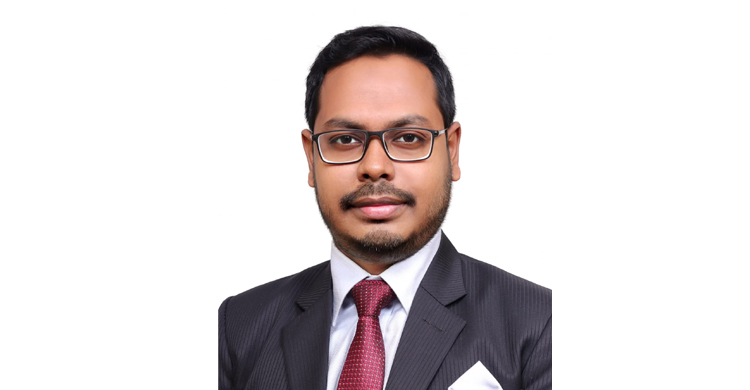
Dr. Md. Mizanur Rahman

We usually start thinking about our heart only after experiencing chest pain, shortness of breath, or sudden loss of consciousness. Yet the risk of heart disease often develops much earlier, silently and gradually. High blood pressure, diabetes, high cholesterol, tobacco use, unhealthy dietary habits, and physical inactivity can affect the body over many years. A person may have no symptoms at all. Therefore, feeling healthy does not necessarily mean that there is no risk. Preventing heart disease requires three things: awareness, regular health check-ups, and accessible healthcare services.

According to the World Health Organization, cardiovascular diseases caused approximately 19.8 million deaths worldwide in 2022. Tobacco use, excessive salt intake, unhealthy diets, physical inactivity, air pollution, and conditions such as high blood pressure and diabetes contribute to these diseases. Heart disease is also a major public health challenge in Bangladesh. In the 2018 national STEPS survey, 10 percent of respondents aged 18–69 reported that they had experienced a heart attack, heart disease-related chest pain, or stroke at some point in their lives. This was based on information provided by survey participants and should not be interpreted as the current prevalence of heart disease in the country. However, it highlights the need to strengthen the identification of cardiovascular risks and improve access to appropriate treatment.

Prevention begins with understanding one`s own risk factors. Adults should have their blood pressure checked regularly. Blood sugar and cholesterol should be tested as advised by a physician, and any family history of heart disease should be communicated to the doctor. Depending on age, weight, smoking habits, previous illnesses, and family history, a physician can determine how frequently an individual needs health checks. A single normal test result is not a lifetime guarantee of good health, just as having risk factors does not mean that heart disease is inevitable. Identifying risks early creates an opportunity to take timely action.

Many people underestimate high blood pressure because it may not cause any noticeable problems. However, high blood pressure often exists without symptoms and, when left uncontrolled for a long period, can damage the heart and blood vessels. The same applies to diabetes and high cholesterol. When these conditions are diagnosed, it is not safe to assume that changing one`s diet alone will be sufficient or that medication is unnecessary. Decisions about starting, stopping, or changing the dosage of medication should always be made in consultation with a physician.

Tobacco use is one of the major risk factors for heart disease. In addition to smoking, smokeless tobacco products such as jarda and gul are also harmful. Quitting tobacco can be difficult, so simply telling someone to "use more willpower" is not an adequate solution. Support from family and the workplace, counseling services, and medical assistance when necessary can all play an important role. It is equally important to protect oneself and family members from exposure to secondhand smoke.

Reducing salt intake, limiting excessive oil, unhealthy fats and highly processed foods, and increasing the consumption of vegetables, fruits, pulses and fibre-rich foods can support heart health. Instead of unrealistic advice such as completely eliminating salt from the diet, sustainable changes, such as reducing added salt during cooking and at the dining table, are more practical. People should also develop the habit of reading food labels on packaged products, although producers and regulatory authorities have a responsibility to ensure that such information is presented clearly and in an understandable manner. If healthy food is expensive or difficult to obtain, simply blaming individuals is not enough. The availability of affordable and nutritious food must also be improved.

Regular walking and physical activity are beneficial, but everyone`s physical capacity is different. Physical activity should be increased gradually, taking age, physical condition, and chronic illnesses into consideration. Those who spend most of the day sitting at work can take regular breaks and walk for a few minutes. However, if someone experiences unusual chest pain or shortness of breath during exercise, they should not force themselves to continue. They should stop and seek medical advice. Adequate sleep, managing mental stress, and reducing prolonged sitting are also important components of overall health.

Chest pressure or pain, shortness of breath, cold sweats, nausea, dizziness, or pain spreading to the arm, shoulder, jaw, or back may be signs of a heart attack. Symptoms are not the same for everyone. In particular, women, older people, and individuals with diabetes may sometimes experience symptoms that differ from the commonly recognized signs. If a heart attack is suspected, it can be dangerous to assume that the pain is caused by "gas," wait for it to go away, rely on home remedies, or follow advice from social media. Emergency medical care should be sought immediately. In the case of a heart attack, delays in treatment can increase damage to the heart.

Discussions about preventing heart disease often focus mainly on individual diet and exercise. Personal habits are certainly important, but maintaining a healthy lifestyle is not equally easy for everyone. Long working hours, traffic congestion, unsafe environments for walking, the cost of healthy food, and the easy availability of inexpensive processed foods all influence people`s choices. Therefore, heart health is not simply a matter of individual willpower. It is also a matter of the social environment and public policy.

Bangladesh has already taken policy initiatives in this area. The multisectoral action plan for the prevention and control of noncommunicable diseases for the 2018–2025 period emphasized the roles of different sectors in addressing risk factors such as tobacco use, unhealthy diets, physical inactivity, and air pollution alongside healthcare services. Bangladesh has also worked on the WHO Package of Essential Noncommunicable Disease Interventions (WHO-PEN) approach and treatment protocols for identifying and managing hypertension and diabetes at the primary healthcare level. In 2025, a joint declaration involving 35 ministries expressed a commitment to inter-ministerial cooperation in addressing noncommunicable diseases. These initiatives represent policy-level progress. The immediate priority now should be their consistent implementation and transparent reporting of results.

The government`s responsibility is to expand access to regular blood pressure, diabetes, and cardiovascular risk assessments at upazila health complexes and primary healthcare facilities; ensure trained personnel, necessary diagnostic facilities, and essential medicines; and establish an effective referral system for transferring seriously ill patients to higher-level healthcare facilities without unnecessary delay. Affordable healthcare is also essential so that the cost of treatment does not push families into financial hardship. At the same time, effective enforcement of tobacco-control laws, initiatives to reduce excessive salt and harmful fats in food, safe footpaths and spaces for walking, and the dissemination of reliable health information through schools, workplaces, and the mass media are necessary. Regularly publishing progress and relevant data would allow citizens to understand how effectively policy commitments are translating into real improvements in people`s lives.

There is no single solution to preventing heart disease. People need to understand their own risk factors, develop healthier habits, and seek medical attention quickly when warning signs appear. The healthcare system must be capable of detecting disease early and providing continuous and affordable treatment. At the same time, the government must create policies and environments in which staying healthy is not a privilege available only to a small number of people who are sufficiently aware or financially capable. Awareness and a healthy lifestyle are essential for preventing heart disease. Making a healthy lifestyle possible for all requires the collective efforts of individuals, society, government, healthcare professionals, and all other relevant stakeholders.

About the Author:
Dr. Md. Mizanur Rahman
(Physician and Columnist)
Residential Medical Officer,
United Healthcare Service Limited, Dhaka.
Phone: 01929468687
Email: msmizan512@gmail.com


Share Button


Reducing Dependence on Imported Cotton Requires an Integrated Agriculture-Industry Strategy
.............................................................................................
Good Governance vs. Mob Culture: The State’s Imperative in Upholding the Rule of Law
.............................................................................................
THE ROHINGYA OF ARAKAN: History, Homeland and the Search for a Just Political Settlement
.............................................................................................
Zaima Rahman on the Global Stage: The Talent of a New Generation and a New Identity for Bangladesh
.............................................................................................
The Infrastructure of Muslims’ Downfall
.............................................................................................
Politics Always Finds A Way
.............................................................................................
Judicial Remedy vs. Administrative Misinterpretation: The Verdict on 85 Election Officers and the Supremacy of the Constitution
.............................................................................................
Awareness and a Healthy Lifestyle Are Essential for Preventing Heart Disease
.............................................................................................
BDT Vostro Accounts: A New Chapter in the Internationalization of the Bangladeshi Taka
.............................................................................................
Demographic Dividend and the Shadow of Graduate Unemployment: A Call for Structural Reform
.............................................................................................
Ensuring a Corruption-Free Administration Requires Unrestricted Access to Information
.............................................................................................
Analysis of the Prime Ministers Speech at the UN
.............................................................................................
A Prosperous Tourism Industry Requires Collective Efforts
.............................................................................................
The Crucible of Merit and the Politics of Sabotage: Is Denying Employment to Recommended Candidates a Deeper Conspiracy?
.............................................................................................
Analysis of the Prime Ministers Speech at the UN
.............................................................................................
Could Muhammad Yunus Become the Next UN Secretary-General?
.............................................................................................
How justified is the latest fuel price hike?
.............................................................................................
Rising Fuel Prices Are Increasing Public Suffering
.............................................................................................
Fuel price hike: A transparent and balanced policy is essential to address the crisis
.............................................................................................
The Devaluation of Human Life in Bangladesh: Who Bears the Responsibility?
.............................................................................................
Nature, Tourism and the Economy: Unlocking the Potential of the Chittagong Hill Tracts
.............................................................................................
Effective Steps Needed to Prevent Food Waste
.............................................................................................
Dr. Monzur A. Khoda Promotes New Approach to Non-Surgical Pain Care in Bangladesh
.............................................................................................
A World in Transition: What Bangladesh and the Developing World Must Do
.............................................................................................
Digital CHT: Turning Connectivity into Inclusive Growth
.............................................................................................
Makkah and Madinah – sacred places for the Muslim Ummah
.............................................................................................
The Proxy States in the Middle East, the War of Geopolitics and the New Hope
.............................................................................................
Treating someone as a criminal before conviction is a grave injustice
.............................................................................................
Beyond ribbon-cutting, Bangladesh’s real infrastructure test is maintenance
.............................................................................................
Relevant technological knowledge may become a greater asset than certificates
.............................................................................................
Climate is an engineering constraint: what Bangladesh must learn before building data centres
.............................................................................................
The Nature of Awami Fascists
.............................................................................................
The Legacy of a Mountain of Debt: A Record in Repayment, a Test in Reducing Liabilities
.............................................................................................
Strong Local Government: The Pillar and Driving Force of Development
.............................................................................................
Climate Change: The Silent Threat to Bangladesh’s Economy
.............................................................................................
A New Dawn for Bangladesh’s Energy Security
.............................................................................................
One Crore Jobs: Bangladesh’s Demographic Dividend Is Running Out of Time
.............................................................................................
A Glorious Chronicle: 65 Years of Government Laboratory High School
.............................................................................................
BNP’s Four Decades in Theoretical Light: History, Achievements, and the Dawn of a New Era
.............................................................................................
Nepal’s Vulnerability: The Anguish of a Bangladeshi Vice-Chancellor in Somalia
.............................................................................................
The Golden Fiber at a Crossroads: Temporary Export Gains or Sustainable Economic Transformation?
.............................................................................................
Two Generations, one Baul Soul: A Father and Son`s journey through Music
.............................................................................................
Rebuilding the Economy: What the Government’s First 180 Days Really Mean
.............................................................................................
The Presidential Election and Article 70 of the Constitution: An Unbiased Theoretical Analysis
.............................................................................................
The Silent Thief
.............................................................................................
Children`s right to Childhood
.............................................................................................
Can Ending the Unregulated Sale of Tobacco on Watercraft Ensure Tobacco-Free Water Transport?
.............................................................................................
Begom Khaleda Zia, the Beacon of Democracy: A Birthday Tribute
.............................................................................................
Shifting Politics and the Equations of Power
.............................................................................................
A Handful of Dreams, A Generation of Struggles: A Half-Century Journey of the Bangladeshi Community in Australia
.............................................................................................
Chief Advisor: Md. Tajul Islam,
Editor & Publisher Fatima Islam Tania and Printed from Bismillah Printing Press, 219, Fakirapul, Dhaka-1000
Editorial Office: 219, Fakirapul (1st Floor), Dhaka-1000.
Phone: 02-41070996, Mobile: 01720090514, E-mail: muslimtimes19@gmail.com
2022 @ All Right Reserved By www.themuslimtimes-bd.com