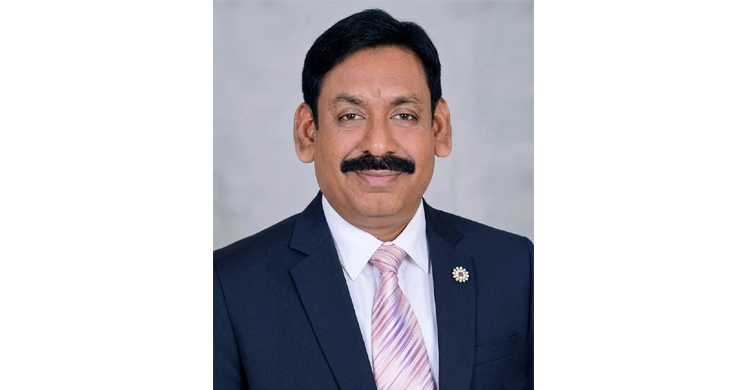
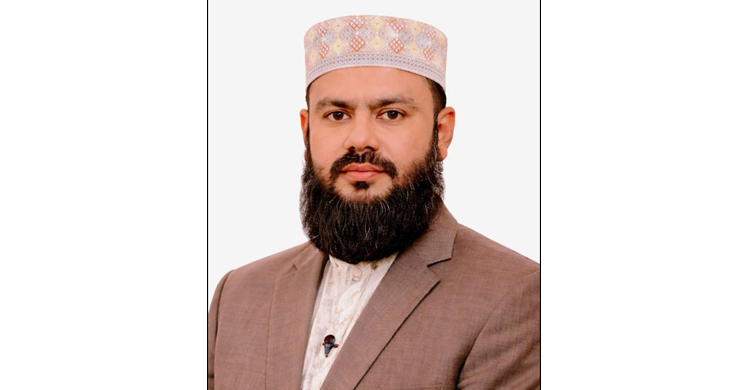
Lion Md. Gani Miah Babul
Children are the future of the country and the nation. But when we speak of the future, we must not let the rights and real-life challenges of children today fade from view. Every child needs to live safely, receive nutritious food, learn, play, express their views and grow up in a loving environment. World Children’s Day is observed on November 20. Identifying how safe children are in reality and what stands in the way of their potential requires everyone’s goodwill and collective effort to protect children and uphold their rights.
Children’s lives in Bangladesh have improved in many ways, but the benefits of that progress have not reached everyone equally. According to the 2025 Multidimensional Poverty Index prepared by the Bangladesh Bureau of Statistics and UNICEF, around 28.9 per cent of children experience multiple forms of deprivation. Poverty can disrupt a child’s education, malnutrition can affect their ability to learn, and insecurity can push them away from school and society. Child welfare, therefore, cannot be treated as only an education or health issue. Families, schools, healthcare services, social protection programmes and local administrations must work together.
Education is a key pathway for children to develop their potential, but enrolling them in school is not enough. Children must be able to attend regularly, learn and complete secondary education. Travel costs, books and supplies, clothing, or responsibilities at home can interrupt the studies of children in low-income families. If a child is absent, finding out why and providing support is a shared responsibility of the school, family and local administration. Scholarships, learning materials, nutritious meals at school, extra lessons and safe transport can help children stay in school. Education should not be limited to passing examinations; it should teach children to think, ask questions, gain skills and shape their own futures.
For families facing poverty, sending a child to work may seem like a way to meet immediate needs. In the long term, however, child labour harms a child’s education, health and future. The 2025 MICS survey found that 9.2 per cent of children aged 5–17 were engaged in child labour. Ending child labour requires more than removing children from work; their families also need alternative sources of income and social support. Social protection for low-income families, employment opportunities for parents, scholarships and school-based assistance should be expanded. Those who employ children in hazardous work must be held accountable. Local schools and social service workers can identify children at risk and help them return to education. Giving every child a book means creating conditions in which the burden of a family’s survival does not fall on a child.
Child marriage is one of the major barriers to girls’ education and safety. It can end a girl’s studies, increase health risks and limit her ability to make decisions about her own life. In the 2025 MICS survey, 47.2 per cent of women aged 20–24 said they had married before turning 18. Changing this reality requires addressing the causes of child marriage as well as enforcing the law. Poverty, social pressure, safety concerns and the tendency to undervalue girls’ education can all push families towards this decision. Girls need safe journeys to school, support to continue their education, guidance for their families and swift intervention when a marriage is at risk. Preventing a child marriage is only part of the response; the girl’s safety, education and views must also be ensured.
Violence against children is another serious barrier to a safe childhood. Abuse is not limited to physical injury. Humiliation, threats, neglect and dismissing a child’s concerns can also cause lasting harm. According to the preliminary findings of MICS 2025, 86 per cent of children aged 1–14 experienced some form of physical punishment or psychological aggression in the previous month. Families and schools must replace physical punishment with patience, explanation and positive discipline. It is essential to listen carefully when a child raises a concern, avoid blaming them and provide responsible support when there are signs of danger. Ignoring an incident as “a family matter” can leave a child at greater risk.
Children living on the streets or in temporary accommodation also have the right to education, healthcare, safe shelter and sanitation. Simply moving them along or reprimanding them is not a solution. Their family situations and circumstances should be understood, and they should be connected with open learning centres, safe accommodation, healthcare, clean water and social services. Children must be treated with respect as people with rights, not as offenders or nuisances.
Children with disabilities must also have equal opportunities to participate. Schools and public spaces should be accessible, with appropriate teaching methods, support materials, trained teachers and safe transport. Equal opportunity does not mean providing identical support to every child; it means creating conditions for each child to learn and participate according to their needs. Schools are also responsible for raising awareness among classmates and preventing discrimination.
A child’s health and nutrition are directly connected to their growth and learning. According to MICS 2025, 64.8 per cent of children aged 6–23 months experience child food poverty. This means that on the day before the survey, they did not receive food from the minimum number of food groups. Alongside nutritious food, children need clean water, sanitation, immunisation and regular healthcare. Families should receive guidance on nutrition, while healthcare and nutritious food must be made accessible to low-income households. Coordination between schools and local health centres can also help identify children’s health problems early.
Climate and disasters also affect children’s lives, education and safety. Floods, cyclones, river erosion and heatwaves can displace families, close schools and disrupt access to clean water and healthcare. According to UNICEF, climate-related crises disrupted the education of 35 million children in Bangladesh in 2024. Disaster preparedness must account for children’s specific needs. Shelters should provide safe spaces, clean water, toilets, health and nutrition services, ways for children to stay in touch with their families, and alternative learning arrangements. Schools should reopen as soon as possible after a disaster, and children at risk should be checked on.
The online world has created new opportunities for children to learn and communicate, but it also brings risks such as online harassment, scams, misuse of personal information or images, and exposure to inappropriate content. Taking a phone away is not, by itself, a solution; children need to learn how to use the internet safely. Open conversations with parents, age-appropriate rules, protection of personal information and digital safety education in schools are essential. Children should feel confident that they can speak up if an online experience makes them uncomfortable.
Listening to children’s views is also part of ensuring a safe childhood. Children should have opportunities to express themselves, according to their age and understanding, on matters that affect their education, safety and daily lives. Listening helps adults understand children’s real concerns and builds their confidence and sense of responsibility. Respecting a child’s views does not mean leaving every decision to the child; it means giving them due consideration when decisions are made.
To turn the promise of World Children’s Day into reality, families must treat children with empathy, schools must be safe and inclusive, local administrations must act promptly when a child is at risk, and the state must give children priority in budgets and public services. Preventing child labour and child marriage, reducing school dropouts, ending abuse, including street-connected children and children with disabilities, protecting children during disasters, and ensuring nutrition and online safety are all part of securing a safe childhood.
Children are not only the citizens of tomorrow; they are people with dignity and rights today. No child’s childhood should be lost to poverty, labour, fear, discrimination or neglect. Let every child have a book in their hands, nutritious food on their plate, safe shelter overhead and the confidence to express their views. Let us all pledge to ensure a safe childhood for every child.
About the author:
Lion Md. Gani Miah Babul
Teacher, poet, columnist, social worker and organiser
Founding President, Bangladesh Government Secondary Teachers’ Association (Agriculture), Central Committee
Joint Secretary-General, Nirapad Sarak Chai (NISCHA), Central Committee
Phone: 01552631118, 01842631118
Email: lionganibabul@gmail.com