| |
| Attacks on Christian Minorities in India During Christmas 2025- A rowing Human Rights Concern |
| |
| |
 |
| |
| |
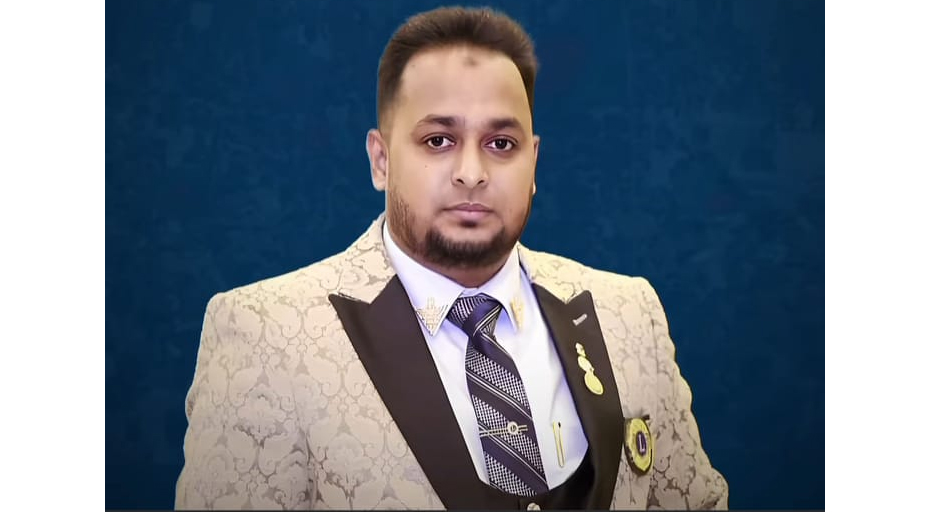
| By Dr. Syed Zaved Mohammad Salehuddin
Introduction:-
Christmas 2025 in India was marked not by peace and festivity alone but by widespread violence, intimidation, and harassment against the Christian minority. According to TRT World, Christmas celebrations “unfolded under a shadow of fear and intimidation” as Christian events faced disruptions in several states (TRT World, 2025). The Independent similarly reported that Christian communities were “threatened, humiliated, and told to go back to Pakistan” during seasonal celebrations (The Independent, 2025). These accounts collectively raise global concern regarding India’s commitment to religious freedom and constitutional protections.
Documented Incidents Across India
Across multiple regions of India, Christmas festivities faced targeted aggression:
EFE News documented attacks and burning of decorations by Hindu nationalist groups, noting that these incidents symbolize escalating religious tension (EFE News, 26 Dec 2025).
In Raipur, Chhattisgarh, a mob vandalized decorations at a mall and attempted to enforce their ideology through intimidation. The Times of India reported police intervention following the incident and lodging of First Information Reports (Times of India, 2025).
In Assam, Christian leaders demanded a suo motu FIR after Christmas vandalism in Nalbari district disrupted school celebrations, as reported by The Economic Times (Economic Times, 2025).
Videos circulating online verified by The Independent showed Christian communities being harassed during prayer meetings and carol events (The Independent, 2025).
Countercurrents noted that international religious organizations publicly condemned Hindu vigilante attacks on Christmas Day, calling the violence “systematic and ideologically motivated” (Countercurrents, 2025).
These incidents confirm the existence of a pattern: orchestrated disruption of Christian gatherings during major religious festivals.
Political and Religious Reactions
The Diocese of Mangalore called the attacks an “assault on constitutional freedoms”, arguing that India’s promise of secularism is being undermined by rising hate crimes (The Hans India, 2025).
Political leaders also expressed concern. The ANI news wire reported that opposition parties condemned vandalism and intimidation, accusing the government of failing to ensure the safety of minority communities (India’s News / ANI, 2025).
While the ruling party responded that “law and order were maintained,” The Week quoted left-leaning parties asserting that the government’s silence “emboldens communal outfits such as Bajrang Dal” (The Week, 2025).
Long-Term Pattern of Violence Against Christians
Christmas attacks are part of a longer trend. A report from the Evangelical Fellowship of India documented hundreds of attacks on Christians within a single year, warning of a “systematic targeting of churches and Christian workers” (EFI Report, 2025).
Similarly, Zenit highlighted a dramatic rise — “a 500% increase in attacks on Christians in India over recent years,” reflecting entrenched communal hostilities (Zenit, 2025).
Global Call for Consistency & Credibility:-
An increasingly voiced sentiment worldwide emphasizes moral consistency in foreign policy:
“Before advising Bangladesh or any other nation on communal issues, India must ensure the safety and security of minority communities within its own borders.”
This position has appeared in diplomatic commentary, editorial opinions, and civil society advocacy, underscoring the principle that credibility in advising others depends on responsibility at home.
International observers argue that India’s ability to raise human rights concerns in neighboring states is weakened when Christian, Muslim, Sikh, Dalit, and tribal minorities face insecurity within India itself.
Human Rights & Constitutional Implications
India’s constitution guarantees freedom of religion (Article 25) and equality before law (Article 14). However, visible intimidation during Christmas raises concerns about the declining protection of these constitutional guarantees.
The United Nations Declaration of Human Rights, specifically Article 18, states that every individual has the right to practice and manifest their religion without fear.
The UN Human Rights Council and several international civil society groups referenced Christmas 2025 violence in appeals urging India to safeguard minority rights to maintain global democratic credibility (Countercurrents, 2025; Zenit, 2025).
Conclusion:-
Christmas 2025 highlighted a persistent pattern of communal hostility directed at Christian communities in India. The attacks — from vandalism to humiliation — are not isolated events but connect to broader concerns about rising intolerance and weakening protection of fundamental rights.
As international voices increasingly stress that India must secure its own minorities before counseling neighbors on communal harmony, the responsibility is clear:
A nation’s moral authority is defined not by what it says abroad, but by how it protects the vulnerable at home.
References (Inline Sources Cited Above):-
TRT World. (2025). Christmas in India unfolds under shadow of fear and intimidation.
The Independent. (2025). Attacks and harassment during Christmas celebrations in India.
EFE News. (2025, Dec 26). Christmas in India marred by attacks, burning of decorations.
Times of India. (2025). Closed Raipur mall faces fringe fury on Christmas Day.
Economic Times. (2025). Assam Christian Forum seeks suo motu FIR over vandalism.
Countercurrents. (2025). International fraternity condemns attacks on Christmas.
The Hans India. (2025). Attacks on Christians during Christmas ‘assault on Constitution’.
India’s News / ANI. (2025). Opposition condemns vandalism, BJP responds.
The Week. (2025). Opposition criticizes government response to Christmas attacks.
Evangelical Fellowship of India. (2025). Systematic targeting of Christians — mid-year report.
Zenit. (2025). A 500% increase in attacks against Christians in India.
Dr. Syed Zaved Mohammad Salehuddin
Advocate, Supreme Court of Bangladesh
Political & Human Rights Analyst
|
| |
|
|
|
| |

|
|
Chief Advisor: Md. Tajul Islam,
Editor & Publisher Fatima Islam Tania and Printed from Bismillah Printing Press,
219, Fakirapul, Dhaka-1000.
Editorial Office: 219, Fakirapul (1st Floor), Dhaka-1000.
Phone: 02-41070996, Mobile: 01720090514, E-mail: muslimtimes19@gmail.com
|
|
| |
|