| |
| Gawkadal,Kashmir : Massacre, Impunity and the Architecture of Unaccountability |
| |
| |
 |
| |
| |
| Staff Correspondentঃ On 21 January 1990, what began as a protest against security raids ended in one of the deadliest episodes of the Kashmir conflict. The killings at Gawkadal are often remembered for their scale. What is equally important, however, is what they revealed; a security doctrine in which civilian protest was met with lethal force, and where accountability remained absent. That doctrine did not end in 1990. It resurfaced again, most clearly, in Bijbehara in 1993.
The massacre occurred at a moment when Kashmir was already under extreme political strain. The late 1980s had seen growing disillusionment with democratic processes, particularly after the disputed 1987 elections. By early 1990, the Indian central government dismissed the elected state leadership and imposed Governor’s Rule, appointing Jagmohan Malhotra as governor. His tenure marked a shift toward direct, militarised control, with political outreach giving way to an emphasis on order and suppression.
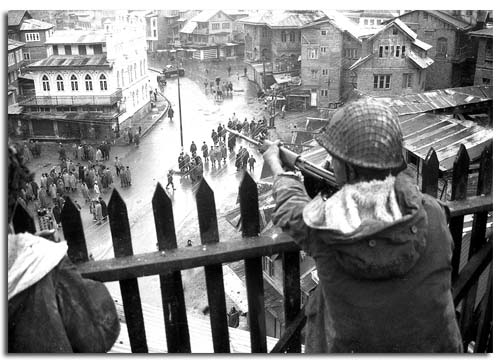
In the days before Gawkadal, Indian occupation forces conducted widespread search-and-arrest operations across Srinagar. Hundreds of young men were detained, and reports of beatings circulated widely. These operations triggered spontaneous public protests. On 21 January, large crowds marched through the city, voicing anger at the raids and the broader atmosphere of repression.
As the procession reached Gawkadal Bridge, personnel of the Central Reserve Police Force(CRPF) opened fire. Eyewitness accounts describe sudden and indiscriminate shooting. Protesters fled in panic, some jumping into the Jhelum River, others running into nearby streets where firing reportedly continued. The dead included students, labourers, and passersby. Official figures initially acknowledged only a few dozen deaths, but hospital records and independent reporting suggest a significantly higher toll. What is not in dispute is that those killed were unarmed.
In the immediate aftermath, the Indian state moved quickly to restore control, imposing curfews and restricting movement. What it did not do was initiate an independent judicial inquiry. No security personnel were held criminally responsible. Over time, police records were reported lost or destroyed, and the case was quietly closed. For the victims’ families, justice remained out of reach.
|
| |
|
|
|
| |

|
|
Chief Advisor: Md. Tajul Islam,
Editor & Publisher Fatima Islam Tania and Printed from Bismillah Printing Press,
219, Fakirapul, Dhaka-1000.
Editorial Office: 219, Fakirapul (1st Floor), Dhaka-1000.
Phone: 02-41070996, Mobile: 01720090514, E-mail: muslimtimes19@gmail.com
|
|
| |
|