Desk Report: Bangladesh Islami Chhatra Shibir has expressed concern over what it described as the eviction and demolition of historic mosques, madrasas and Waqf properties in different parts of India, along with alleged restrictions on the religious and civic rights of Muslims.
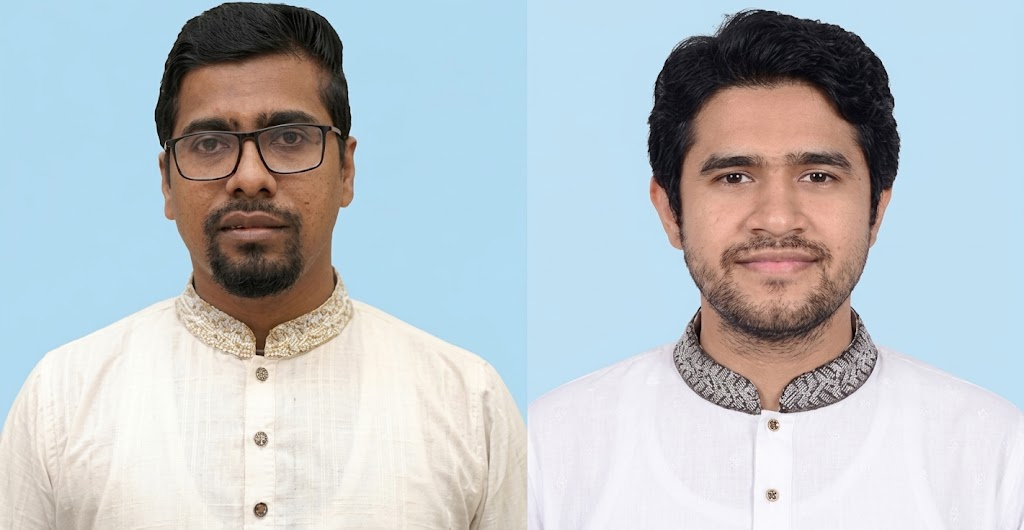
In a joint statement issued on Wednesday (September 30), Shibir President Nurul Islam and Secretary General Sibgatullah alleged that centuries-old Muslim religious structures were being demolished in several Indian states under the pretext of eviction drives and road expansion.
The Shibir leaders particularly expressed concern over the reported partial demolition of the historic Shahi Mosque in Ujjain, Madhya Pradesh, describing the incident as “deeply concerning.”
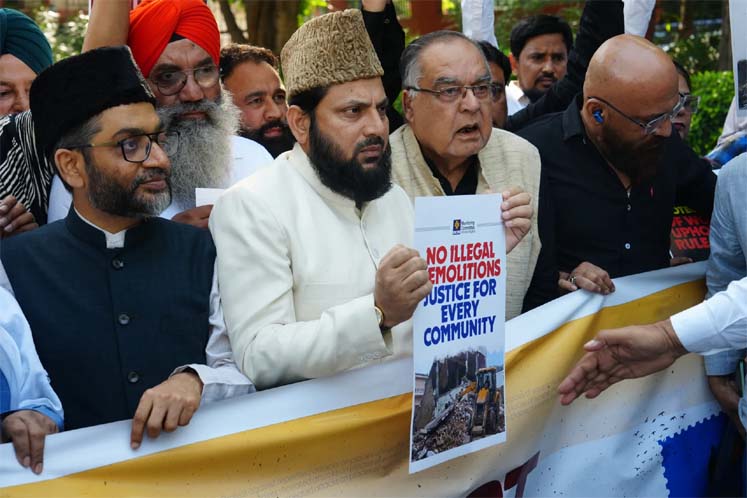
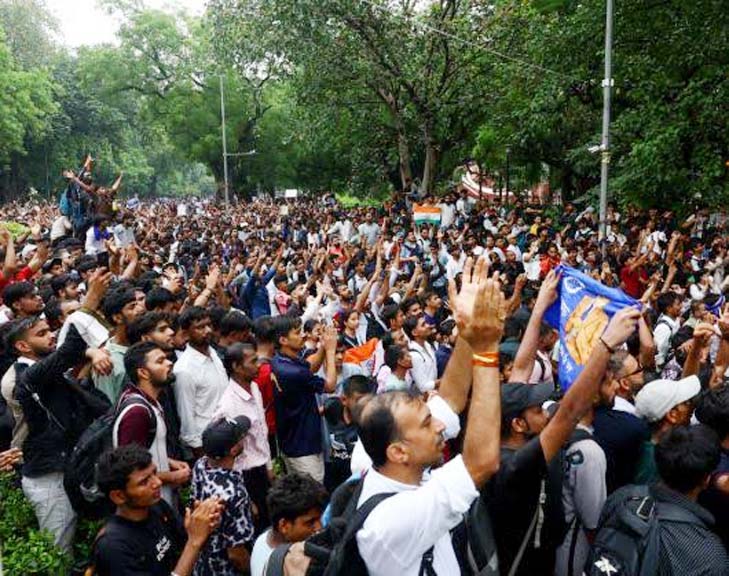
They also alleged that protests by local Muslims against such actions had been met with arrests and restrictions, raising questions about religious freedom and the rule of law.
According to the statement, religious structures have allegedly been targeted in several states, including Uttar Pradesh, Uttarakhand, Maharashtra and Gujarat, without following proper legal procedures or judicial directives. The organisation described such actions as part of what it termed a “bulldozer policy.”
Shibir also raised concerns over the citizenship, religious and property rights of India’s Muslim population. Referring to the Citizenship Amendment Act (CAA), the National Register of Citizens (NRC) debate and the Waqf (Amendment) Act, 2025, the organisation said these laws and policies had generated concerns regarding the religious and property rights of Muslims.
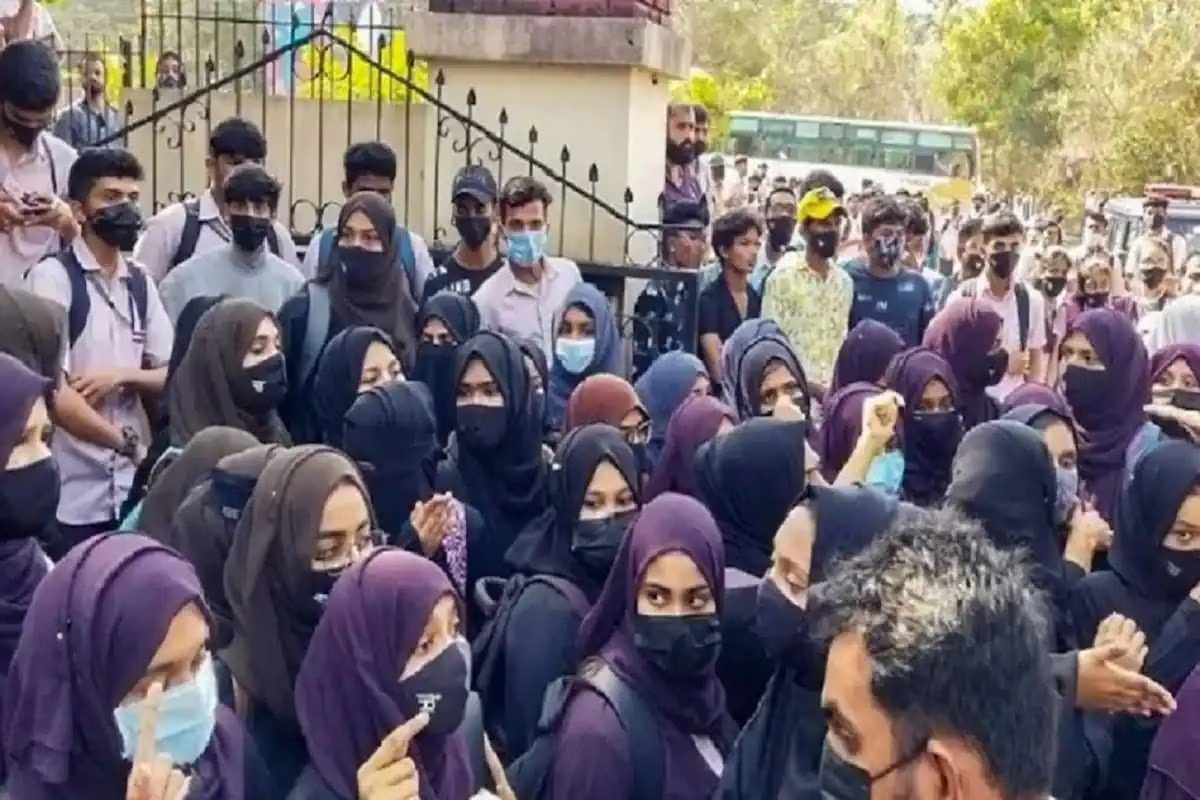
The statement further referred to alleged restrictions on religious practices in public places, limitations on freedom of dress, attacks and mob violence linked to cattle transportation and trade, and other incidents targeting Muslims.
It also alleged that Islamophobia had contributed to discrimination against Muslims in employment and housing.
The Shibir leaders claimed that, in some cases, alleged bias in local administrative and judicial processes had prevented Muslim victims from obtaining adequate legal remedies.
They also expressed concern over what they described as the marginalisation of Muslim contributions in educational and historical narratives and the trend of renaming historical places.
Describing India as a pluralistic and multi-religious country, the Shibir leaders said attempts to establish the dominance of any single political or social ideology could create concerns for regional stability.
The organisation called on international human rights organisations, the United Nations and the Organisation of Islamic Cooperation (OIC) to play an effective role in protecting the religious and civic rights of Muslims in India.
It also urged the Indian government to refrain from what it described as discriminatory and repressive policies and to respect international law.
The allegations and characterisations in the statement represent the position of Bangladesh Islami Chhatra Shibir.